

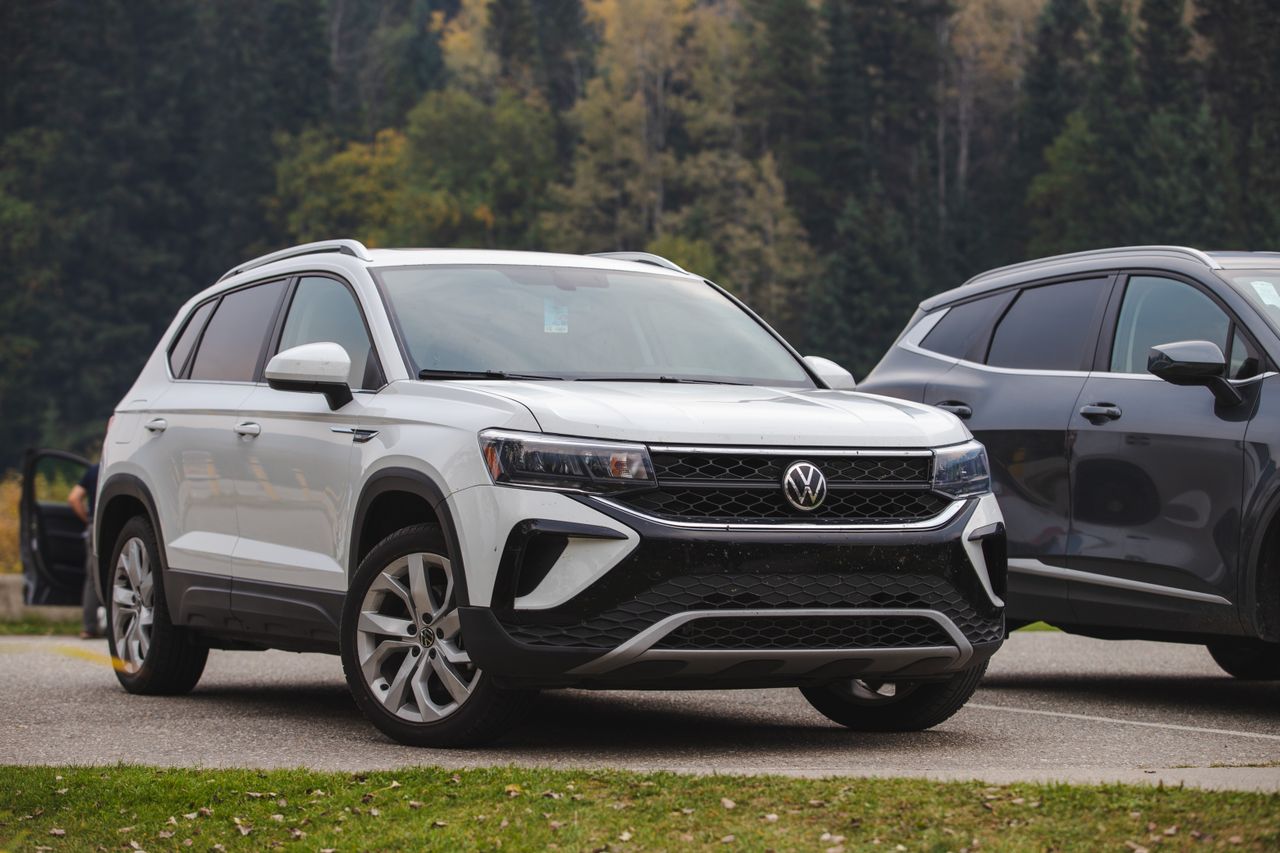
One of the most common mistakes people make when buying an SUV in Kenya is assuming that four-wheel drive is automatically the better option.
It is an understandable assumption. After all, a 4WD vehicle sounds tougher, more capable and better prepared for whatever the road throws at it. Many buyers are attracted to the idea of owning a vehicle that can climb steep hills, cross muddy roads and tackle rough terrain with confidence. Yet the reality is that most of these vehicles spend almost all their lives on tarmac, carrying children to school, commuting to work or making weekend trips to the supermarket.
That raises an important question. If most of your driving happens on paved roads, are you really getting value from a four-wheel-drive system, or would a two-wheel-drive vehicle serve you just as well? The answer depends less on the badge on the bonnet and more on how you actually use your vehicle.
What’s the difference between the two? A two-wheel-drive (2WD) vehicle sends power to either the front wheels or the rear wheels, depending on its design. Most crossovers and family SUVs sold in Kenya use front-wheel drive because it is lighter, simpler and generally more fuel-efficient.
A four-wheel-drive (4WD) vehicle on the other hand is designed to send power to all four wheels when extra traction is needed. In traditional systems, the driver can manually engage four-wheel drive when driving through mud, loose sand, rocky terrain or steep off-road sections. Many modern SUVs also use intelligent systems that automatically distribute power between the wheels whenever road conditions become slippery.
Although the technology differs from one manufacturer to another, the goal remains the same, that is, improving traction when ordinary two-wheel drive may struggle.
For Most Urban Drivers, 2WD Is Often Enough
If your daily routine involves commuting within Nairobi, Mombasa, Kisumu or Nakuru, a two-wheel-drive vehicle will meet your needs more often than you might expect.
Modern crossovers such as the Toyota Raize, Mazda CX-3 and many versions of the Nissan X-Trail perform extremely well on Kenya’s paved roads. They offer comfortable driving, good fuel economy and lower maintenance costs than comparable four-wheel-drive models.
Even occasional trips to places like Naivasha, Nyeri or Eldoret rarely require the additional capability of four-wheel drive, provided the roads are in good condition. Many motorists spend years owning a 2WD SUV without ever finding themselves wishing they had bought the four-wheel-drive version.
Where 4WD Makes a Real Difference
That doesn’t mean four-wheel drive is simply a marketing feature. Far from it. If your work regularly takes you to construction sites, farms, national parks or remote rural areas, a 4WD system can make a significant difference. During Kenya’s rainy seasons, roads that are perfectly manageable in dry weather can quickly become muddy, slippery and difficult to navigate.
Anyone who has driven through sections of western Kenya, the Rift Valley, parts of Mount Kenya or northern counties after heavy rainfall understands how quickly road conditions can deteriorate. In those situations, extra traction isn’t about convenience. It can determine whether you continue your journey or spend hours waiting for assistance. Four-wheel drive also provides added confidence when driving on loose gravel, steep inclines or uneven surfaces where one or more wheels may lose grip.
Fuel economy is worth oonsidering. One advantage often overlooked is fuel efficiency. Because a two-wheel-drive vehicle has fewer drivetrain components and carries less weight, it generally consumes less fuel than an equivalent four-wheel-drive model.
The difference isn’t always dramatic, but over several years of ownership it can become significant, particularly for motorists covering long distances every week. If your SUV will spend almost all of its life on highways and city roads, paying extra for fuel to power a system you rarely use may not make financial sense.
Maintenance Costs Can Be Higher With 4WD
Four-wheel drive also introduces additional mechanical components. Transfer cases, differentials, extra drive shafts and associated systems require periodic inspection and maintenance. Although modern 4WD systems are generally reliable, they add complexity compared to a simpler two-wheel-drive drivetrain.
That doesn’t mean four-wheel-drive vehicles are unreliable. It simply means there are more components that require attention over the life of the vehicle. Routine servicing becomes even more important, especially for owners who regularly drive off-road or tow heavy loads.
Think about resale value too because in Kenya, resale value often depends on the type of vehicle and the buyers interested in it. Models such as the Toyota Land Cruiser Prado, Hilux and Ford Ranger are widely expected to have four-wheel drive. Buyers shopping for these vehicles usually want the capability that comes with it, and a two-wheel-drive version may attract a smaller audience.
For compact SUVs and crossovers, however, the picture is different. Many buyers actively prefer two-wheel-drive versions because they appreciate the lower purchase price, better fuel economy and reduced maintenance costs. In other words, neither system automatically guarantees stronger resale value. It depends on what buyers expect from that particular model.
Don’t Buy Capability You’ll Never Use
There is a tendency to buy vehicles based on the occasional trip rather than everyday reality. Someone might choose a 4WD SUV because they visit their rural home twice a year, even though the vehicle spends the remaining 360 days driving on well-maintained urban roads. For many people, hiring a four-wheel-drive vehicle for those rare occasions would actually cost less than owning one permanently.
It’s worth being honest about how your vehicle will be used. Buying more capability than you genuinely need often means paying more for fuel, maintenance and insurance without receiving much benefit in return.
So, which one should you choose? If your driving consists mainly of commuting, school runs, shopping and highway travel, a two-wheel-drive vehicle is likely to provide everything you need. It will usually be cheaper to buy, less expensive to maintain and more economical at the fuel station.
If, however, your work or lifestyle regularly takes you onto rough roads, muddy tracks or remote areas where road conditions are unpredictable, investing in four-wheel drive can provide reassurance that goes well beyond convenience. Neither option is universally better. The best choice is the one that matches your everyday driving rather than your occasional adventure.
The debate between two-wheel drive and four-wheel drive has no universal winner because it isn’t really about technology, it’s about lifestyle. A four-wheel-drive vehicle offers genuine advantages when traction is limited and road conditions become challenging. A two-wheel-drive vehicle, on the other hand, meets the needs of most Kenyan motorists while costing less to buy, less to fuel and generally less to maintain.
Before deciding, think carefully about where your vehicle will spend most of its time. Not where you hope to take it once or twice a year, but where it will actually be driven every week. Choosing a vehicle that matches your real driving habits will almost always leave you happier than buying one simply because it sounds more capable on paper.
If you’re shopping for an SUV, our guide Best SUVs Under KSh 5 Million in Kenya compares some of the strongest options available today, helping you understand which models offer the best balance of comfort, reliability and long-term value.
At Iko Gari, we believe the best buying decisions are based on how a vehicle fits your everyday life, not simply on specifications or marketing claims. Whether you’re choosing between two-wheel drive and four-wheel drive or comparing different SUV models, our goal is to help you understand what ownership will really be like on Kenyan roads.