

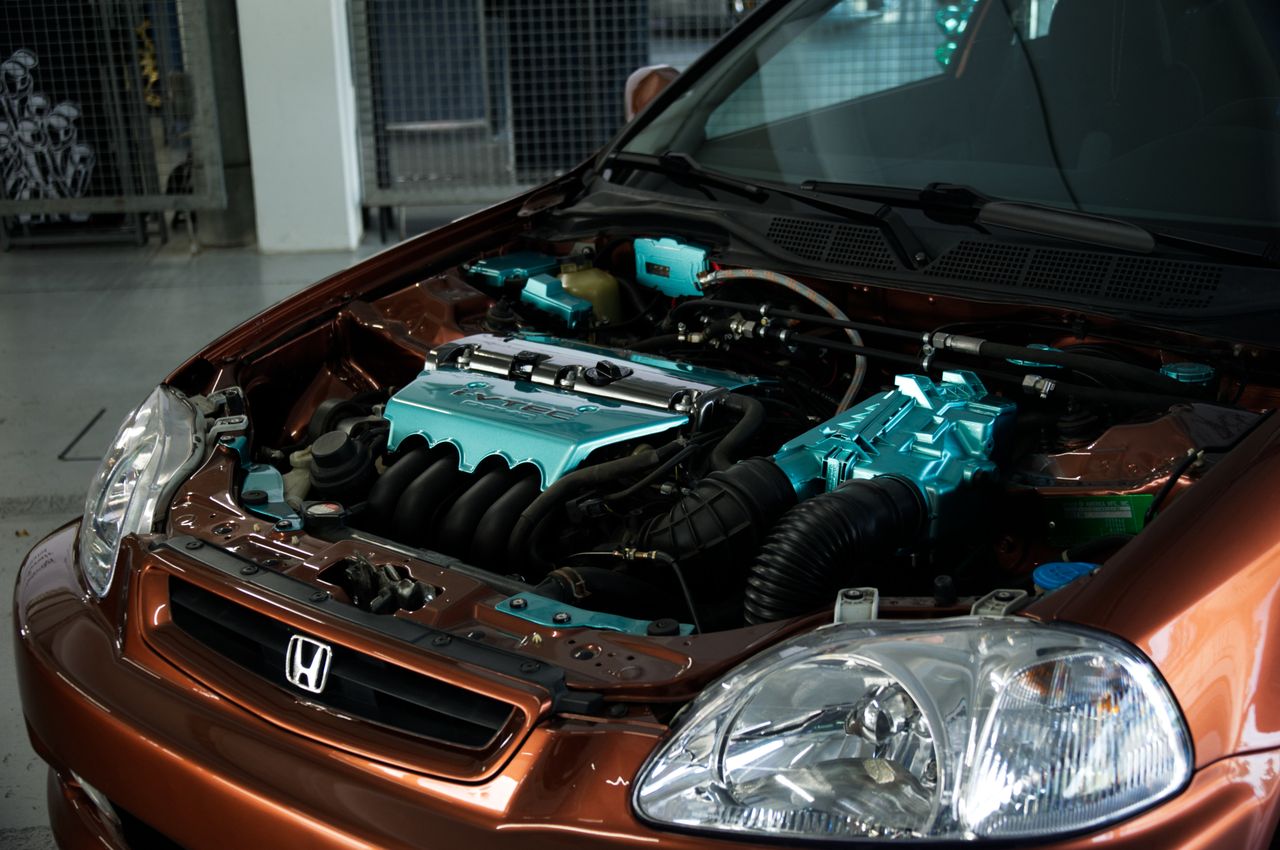
Finding a used car with a replaced engine can make some buyers nervous. The assumption is often that the original engine failed because the vehicle was poorly maintained or had a serious mechanical problem. Others worry that a replacement engine will bring additional complications with registration, insurance and future resale.
However, a replaced engine is not necessarily a reason to reject a vehicle. Engines can be replaced for legitimate reasons, including severe mechanical failure, overheating or damage following an accident. If the replacement was properly sourced, installed and documented, the car can still offer years of reliable service.
The important question is not simply whether the engine has been changed, start by establishing why the previous engine was removed. It may have suffered serious internal damage following overheating, oil starvation or a major mechanical failure. In other cases, the owner may have chosen to install another engine because repairing the original unit was too expensive.
There is nothing inherently wrong with replacing an engine. In fact, installing a good-quality replacement can be more economical than rebuilding a severely damaged one.
However, the reason for the replacement matters. If the original engine failed because of a cooling-system problem, for example, fitting another engine without addressing the underlying cause could lead to the same problem recurring.
Ask the seller for an explanation and supporting records. Find out when the replacement was done, where the engine came from and whether the installation was carried out by a qualified mechanic. Be particularly cautious if the seller cannot explain the replacement or refuses to provide any information about the engine’s source.
You should also try and figure out if the replacement engine match the vehicle. Engine compatibility is one of the most important things to establish before buying. A replacement engine should be suitable for the vehicle’s make, model and specifications. Ideally, it should be the same engine type or an approved compatible unit. An engine swap involving a different capacity or configuration may require additional mechanical, electrical and electronic modifications.
Modern vehicles are particularly sensitive to compatibility issues because engine control units, wiring harnesses, sensors and transmission systems are designed to work with specific powertrains.
A poorly executed conversion can result in persistent warning lights, poor performance, increased fuel consumption and difficulty sourcing replacement components.
Have a mechanic familiar with the particular model inspect the installation. Check for improvised wiring, unusual modifications, fluid leaks, excessive vibration and signs that engine mounts or other components have been altered.
Don’t forget to check the engine number and documentation, it is just as important as mechanical condition. In Kenya, buyers should establish whether the replacement engine has been properly recorded and whether its identifying details match the relevant vehicle registration records.
Ask to see the documentation relating to the engine’s source and replacement. Verify the engine number and confirm the current registration details through the appropriate NTSA channels before completing the purchase.
An unexplained difference between the engine number on the vehicle and the registration records should be treated seriously. Do not assume that the seller’s assurance is sufficient.
Proper documentation helps establish the engine’s origin and reduces the risk of complications during ownership transfers, inspections or future resale.
Do not rely on the fact that the engine is a replacement and assume it is automatically in better condition than the original. It needs the same careful inspection as any used engine.
Check for oil and coolant leaks, unusual exhaust smoke, overheating and abnormal engine noises. Have the cooling system, transmission and electrical connections inspected as well. A diagnostic scan can reveal stored fault codes that may not be obvious during a short test drive.
So, should you buy a car with a replaced engine? Yes, provided the replacement is compatible, properly installed, mechanically sound and supported by legitimate documentation.
A car with a well-maintained replacement engine can be a better purchase than one with its original engine that has suffered years of neglect. However, the replacement should not automatically make the vehicle worth the same as an otherwise identical car with a documented original engine and no major mechanical history.
Consider the purchase price, the quality of the replacement and any additional maintenance costs before making your decision. If the seller cannot establish the engine’s origin, the installation history or the relevant registration details, walking away may be the wiser option.