


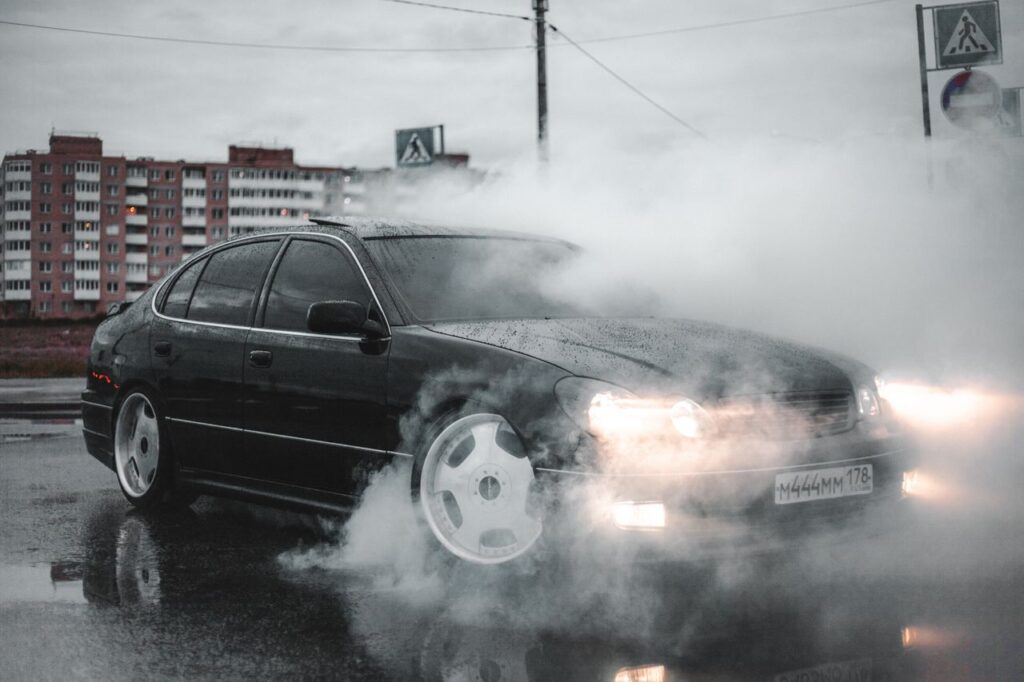
An engine rarely overheats for no reason. Usually, something in the cooling system has stopped doing its job properly, although the warning signs can sometimes appear long before the temperature gauge reaches the danger zone.
For Kenyan motorists, overheating deserves particular attention. A car can spend hours crawling through Nairobi traffic, climb long stretches of highway in hot weather, or travel on dusty and rough roads that put additional strain on components. An ageing cooling system may cope perfectly well under normal conditions until one particularly demanding journey exposes a problem that has been developing quietly.
The important thing is not simply knowing that an engine is overheating, but understanding why it happens and what to do before a cooling problem becomes an engine problem.
Low Coolant Is One of the First Things to Check
The cooling system relies on coolant circulating through the engine and radiator to carry away heat. If the coolant level becomes too low, there may simply not be enough fluid to absorb and transfer that heat effectively.
Low coolant can happen because of a leak in a hose, radiator, water pump, expansion tank or another part of the system. It can also be caused by neglect, particularly when a vehicle’s coolant level has not been checked for a long time.
The mistake is to keep topping up the coolant without finding out where it is going. If the level repeatedly falls, there is almost certainly a reason. A competent technician should inspect the system for leaks rather than treating the low level as the problem itself.
And if you notice coolant underneath the vehicle, a sweet smell around the engine bay or a steadily falling coolant level, don’t wait for the temperature warning to appear before investigating.
A Faulty Radiator Can Stop the System From Getting Rid of Heat
The radiator is where heat carried by the coolant is transferred to the surrounding air. If it becomes blocked, damaged or internally contaminated, the cooling system may struggle to keep the engine at the correct temperature.
External dirt and debris can also reduce airflow through the radiator. This can be particularly relevant for vehicles operating in dusty environments, although simply washing the radiator from the outside won’t fix an internal blockage or mechanical failure.
Radiator problems can develop gradually. The vehicle may behave normally on short journeys but begin overheating during long drives, steep climbs or heavy traffic when the engine is producing heat faster than the cooling system can remove it.
The Cooling Fan Matters More Than You Might Think
When a vehicle is moving quickly, air naturally passes through the radiator. At low speeds, however, the cooling fan becomes particularly important.
A failed electric fan, faulty fan motor, damaged wiring, bad relay or temperature sensor problem can therefore cause overheating that is most noticeable in traffic. You might find that the temperature rises while sitting in a queue but falls again once you reach an open road.
That pattern is a useful clue. If your vehicle regularly runs hotter while stationary or crawling through traffic but seems fine at highway speeds, have the cooling fan and its control system checked.
A Bad Thermostat Can Restrict Coolant Flow
The thermostat controls when coolant is allowed to circulate through the radiator. It remains closed while the engine is warming up and opens as the engine reaches its normal operating temperature.
If the thermostat becomes stuck closed, coolant cannot circulate through the radiator properly and the engine can overheat. A faulty thermostat can also produce other symptoms, such as an engine that takes unusually long to reach operating temperature or temperature fluctuations that don’t behave normally.
Because thermostats are relatively small components, they are easy to overlook when diagnosing an overheating problem. But they play an important role in maintaining the engine’s operating temperature.
The Water Pump Is Responsible for Circulation
Coolant needs to move continuously through the engine and cooling system. The water pump provides that circulation.
When a water pump becomes worn or fails, coolant flow can be reduced or stopped, allowing heat to build up inside the engine. Depending on the vehicle, a failing pump may also produce unusual noises, coolant leakage or signs of damage around the pump area.
Water-pump problems can be particularly serious because continuing to drive an overheating engine can cause damage well beyond the cooling system itself.
A Damaged Head Gasket Can Turn Overheating Into a Major Repair
Sometimes overheating is not caused by the cooling system alone. A damaged head gasket can allow coolant and combustion gases to mix in ways they shouldn’t, leading to overheating and other engine problems.
There may be signs such as persistent white exhaust smoke, unexplained coolant loss, bubbles in the coolant reservoir, contaminated engine oil or repeated overheating. None of these symptoms on its own proves that the head gasket has failed, but together they warrant proper testing.
This is one reason you shouldn’t repeatedly drive an overheating vehicle and simply add coolant each time. If the underlying problem is serious, continued driving can turn a repairable cooling-system fault into major engine damage.
Engine Oil Also Helps Control Heat
Coolant gets most of the attention when we talk about overheating, but engine oil plays an important supporting role.
Oil lubricates moving components and carries heat away from parts of the engine. If the oil level is dangerously low, the wrong oil is being used, or the oil has degraded significantly, lubrication and heat management can suffer.
This doesn’t mean low engine oil is the usual cause of an overheating engine, but it is another reason regular oil checks and servicing matter.
An engine that is properly lubricated is better equipped to handle the heat generated during normal operation.
Heavy Traffic Can Expose a Weak Cooling System
Kenya’s traffic can be a genuine test of an ageing vehicle. A car sitting in slow-moving traffic doesn’t have the same natural airflow through the radiator as a vehicle travelling at highway speed. The cooling fan and rest of the system therefore have to work harder to keep temperatures under control.
This is why some vehicles seem perfectly healthy during early-morning highway driving but begin overheating during an afternoon traffic jam.
Traffic itself isn’t necessarily causing the mechanical fault. It may simply be exposing one that was already developing.
What Should You Do If the Temperature Rises?
The most important thing is not to keep driving simply because the destination is close. If the temperature warning appears or the gauge moves into the overheating range, find a safe place to stop and switch off the engine. If there is steam coming from the engine bay, keep your distance and allow the vehicle to cool down. Never remove a radiator cap while the cooling system is hot because pressurised coolant can cause severe burns.
Once the vehicle has cooled sufficiently, you can check for obvious problems such as a very low coolant level or a visible leak, but avoid experimenting with a hot engine.
If the cause isn’t obvious, call a qualified mechanic or recovery service. The cost of diagnosing an overheating problem is insignificant compared with rebuilding an engine that has been severely damaged by continued overheating.
To conclude, engine overheating is not something to normalise simply because a vehicle is old or Kenyan roads are demanding. A properly maintained cooling system should keep the engine within its intended operating temperature even under challenging conditions.
Low coolant, leaks, radiator problems, cooling-fan failures, faulty thermostats and water-pump problems are among the common causes, while more serious faults such as head-gasket failure can also result in overheating.
The most important lesson is to respond early. If your temperature gauge is behaving differently, coolant is disappearing, the cooling fan isn’t operating properly or the engine repeatedly runs hotter than normal, have the vehicle inspected before the problem becomes a breakdown.
If you’re trying to stay ahead of maintenance problems, What Every Car Warning Light Actually Means explains which dashboard warnings can wait and which ones require immediate attention. It is also worth understanding how frequently your vehicle needs maintenance. How Often Should You Service Your Car in Kenya? looks at service intervals and why Kenyan driving conditions can influence how often your car should be checked.
At Iko Gari, we believe good car ownership is less about waiting for something to break and more about recognising the warning signs early. A temperature gauge may seem like just another instrument on the dashboard, but paying attention to it can sometimes be the difference between a relatively simple repair and a very expensive engine job.