

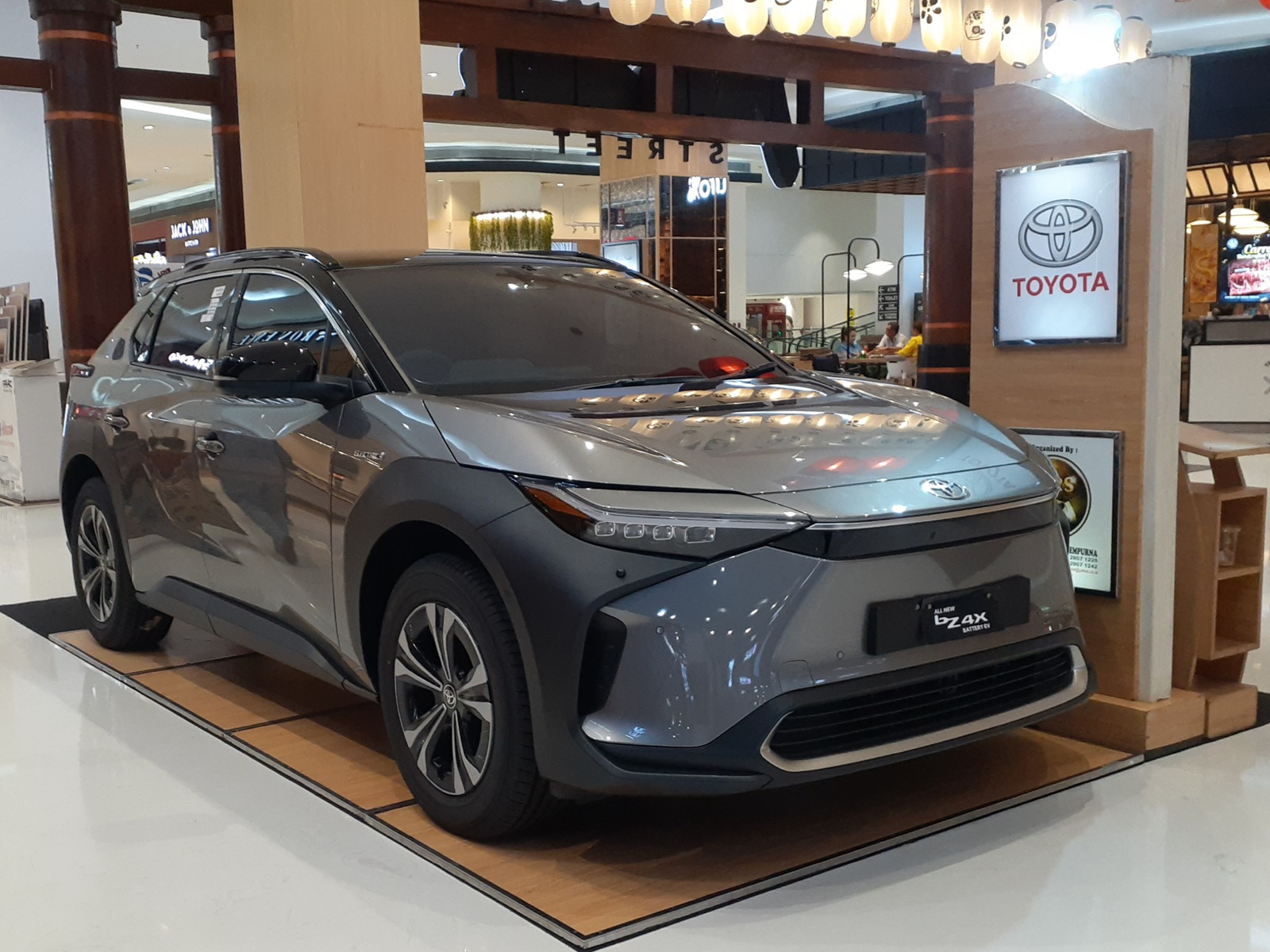
For years, Toyota has watched the global electric vehicle race from a cautious distance. While rivals such as Tesla, BYD, Hyundai and Kia aggressively expanded their battery-electric line-ups, Toyota remained focused on hybrids, arguing that different markets require different paths to lower emissions. It was a strategy that attracted both praise and criticism. Supporters admired Toyota’s measured approach, while critics questioned whether the world’s largest automaker was falling behind.
Now, that conversation has arrived in Kenya. CFAO Mobility Kenya has officially launched the Toyota bZ4X, making it Toyota’s first fully electric vehicle to be offered in the Kenyan market. More importantly, it signals that Toyota believes Kenya’s electric vehicle ecosystem has matured enough to support mainstream EV ownership.
But beyond the excitement of a new model, the bigger question is this: Is the bZ4X the electric vehicle Kenyan motorists have been waiting for, or is it still ahead of its time?
The arrival of the bZ4X is significant because Toyota has never been known for rushing into new technology. The company built its reputation on reliability, durability and practicality, qualities that have made models such as the Corolla, Prado, Hilux and Land Cruiser household names across Kenya. Even when electric vehicles began gaining popularity worldwide, Toyota continued investing heavily in hybrid technology rather than going all-in on battery-powered cars.
That makes the Kenyan launch of the bZ4X more than a product introduction. It represents Toyota’s confidence that the local market is gradually becoming ready for fully electric mobility.
The bZ4X itself is a mid-size electric SUV built on Toyota’s dedicated EV platform. Depending on the variant, it offers a driving range of approximately 450 to 500 kilometres on a full charge, a 73.1 kWh lithium-ion battery, and fast-charging capability designed to reduce charging times during longer journeys.
Why Kenya, and Why Now?
Five years ago, launching a fully electric Toyota in Kenya would probably have been considered premature. Public charging stations were scarce, most motorists had little experience with electric vehicles, and buyers remained understandably cautious about battery life and long-term ownership costs.
Today, the picture is beginning to change. Kenya has experienced steady growth in electric vehicle adoption, supported by expanding charging infrastructure, increasing investment from private companies, and government efforts aimed at encouraging cleaner transport. While electric vehicles still account for a relatively small share of all vehicles on Kenyan roads, the market has grown quickly enough for major manufacturers to start paying closer attention. Toyota’s decision to introduce the bZ4X suggests the company believes this momentum is no longer temporary.
Will it be practical for Kenyan drivers? This is where the conversation becomes more interesting. The bZ4X’s official range should comfortably cover several days of typical urban driving for most motorists. Someone commuting between Westlands and Upper Hill, or travelling around Mombasa or Kisumu, is unlikely to need daily charging. The challenge comes when journeys extend beyond major towns.
Although Kenya’s charging network continues to expand, it is still far less extensive than the country’s fuel station network. Long-distance travel requires more planning than it would in a petrol or diesel vehicle, particularly in regions where charging infrastructure remains limited.
For many families, that won’t necessarily be a deal-breaker. Households with two vehicles may find an electric SUV perfectly suited to daily commuting while keeping a conventional vehicle for longer trips. Others may prefer to wait until public charging becomes more widespread. In other words, whether the bZ4X is practical depends less on the vehicle itself and more on how and where you drive.
What about the price? The Toyota bZ4X enters Kenya as a premium product, with CFAO Mobility listing it from around KSh 11 million, placing it well above most mainstream SUVs. That means it is unlikely to compete directly with popular imports such as the Toyota Harrier, Mazda CX-5 or Nissan X-Trail.
Instead, Toyota appears to be targeting corporate fleets, development organisations, environmentally conscious businesses and early adopters willing to invest in new technology. As battery prices gradually decline and production volumes increase globally, electric vehicles are expected to become more affordable. For now, however, the bZ4X remains firmly positioned in the premium segment.
One reason the bZ4X deserves attention is the badge on its bonnet. Many Kenyans already trust Toyota because the brand has spent decades proving itself in demanding conditions. From remote rural roads to commercial fleets covering hundreds of thousands of kilometres, Toyota has built a reputation for producing vehicles that are dependable and relatively inexpensive to maintain.
That reputation may give cautious buyers more confidence in considering an electric vehicle than they would with a less familiar brand. At the same time, Toyota understands that trust alone won’t sell EVs. Buyers will still want reassurance about battery durability, servicing, resale value and parts availability. These are questions that only years of real-world ownership in Kenya can fully answer.
So, Is the bZ4X Worth the Hype?
The honest answer is yes, but perhaps not for everyone. The bZ4X is an important milestone because it shows that electric vehicles are moving beyond niche status in Kenya. When a manufacturer as conservative as Toyota decides the market is ready, it is usually because extensive research suggests demand is growing rather than fading.
For buyers looking for a premium electric SUV, the bZ4X offers the reliability, engineering and dealer support that Toyota is known for. For motorists who regularly travel long distances or rely on quick refuelling in remote parts of the country, a hybrid or conventional petrol vehicle may still make more practical sense today.
Either way, Toyota’s decision sends a clear message: electric mobility is no longer a distant idea for Kenya. It is becoming part of the country’s automotive future.
The launch of the Toyota bZ4X is bigger than the arrival of a single new SUV. It marks Toyota’s official entry into Kenya’s fully electric passenger vehicle market and reflects the growing confidence that the country’s EV ecosystem is beginning to mature.
Whether you choose to buy one today or wait a few more years, the direction is becoming increasingly clear. Electric vehicles are steadily moving from curiosity to everyday reality, and one of the world’s most trusted automakers has now committed to that journey in Kenya. For buyers, that’s perhaps the biggest story of all.
Toyota’s move into fully electric vehicles is just one chapter in a much bigger transformation taking place across the automotive industry. If you’re curious about how the company is preparing for the future, you’ll enjoy our feature on Why Toyota Is Teaming Up With Its Biggest Rivals, and What It Means for Kenyan Buyers, where we explore the partnerships shaping the next generation of mobility.
At Iko Gari, we don’t just report automotive news, we explain what it means for the people who buy, drive and own cars every day. Whether it’s the latest technology, changing market trends or practical ownership advice, our goal is to help you make informed decisions with confidence. After all, the best car purchase begins with understanding the bigger picture.