


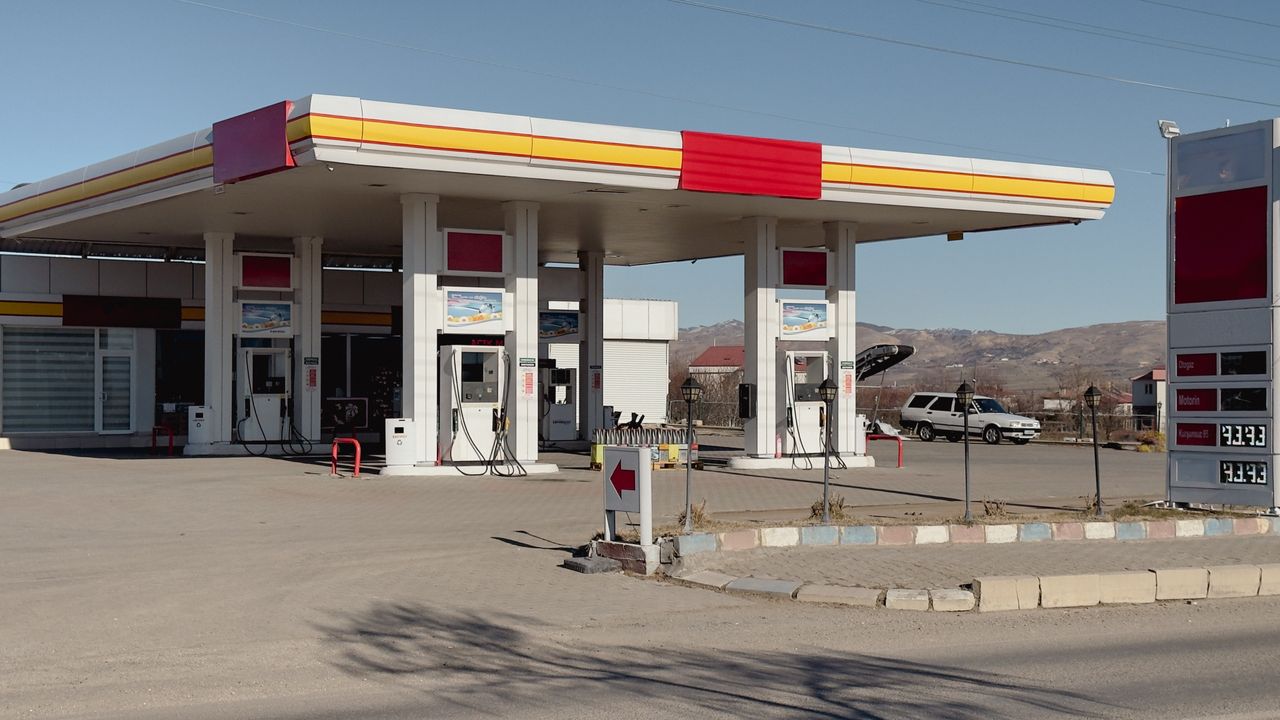
Kenyan motorists may be heading into another uncomfortable fuel-price cycle. Global oil prices have risen sharply in recent days, with Brent crude moving above US$100 a barrel as disruptions in the Middle East put pressure on global oil supplies. Kenya is particularly exposed because it imports almost all of its petroleum products, meaning what happens in the international oil market eventually finds its way into the cost of running a car here.
The timing is important. The current EPRA pricing cycle expires on September 14, with the new maximum pump prices taking effect on September 15. In Nairobi, motorists are currently paying a maximum of KSh214.03 per litre for Super Petrol and KSh217.86 for diesel. The big question now is how much of the global oil shock will reach Kenyan filling stations.
It is easy to look at the price of crude oil and assume that a US$100 barrel should immediately translate into a particular price at your local petrol station. It doesn’t work that way.
Kenya’s regulated pump prices take several factors into account, including the cost of imported petroleum products, the exchange rate, taxes, levies and other regulated costs. That means Brent crude can rise sharply without petrol necessarily increasing by the same proportion.
The August review demonstrated this. While international markets remained volatile, EPRA reduced Nairobi’s maximum diesel price by KSh5 per litre while leaving petrol and kerosene unchanged. The authority also said government stabilisation support of KSh938 million helped cushion prices.
So a barrel of oil crossing US$100 does not automatically mean petrol will suddenly jump by KSh20 or KSh30. But it does create pressure.
Diesel Could Be the Bigger Concern
For ordinary private motorists, petrol prices tend to attract the most attention. But diesel could be particularly important in the coming review. Diesel is heavily used by trucks, buses, commercial vehicles, agricultural machinery and generators. When diesel becomes more expensive, the effect doesn’t stop at the petrol station. Transport costs can rise, which can eventually affect the prices of goods being moved around the country.
There is also growing concern about global diesel supply. The International Energy Agency has warned of a tightening refined-fuel market, with disruptions affecting supplies in several major producing regions.
For Kenyan owners of diesel SUVs and pickups, therefore, the issue isn’t simply what they will pay to fill the tank. It is also what sustained higher diesel prices could mean for the overall cost of running a larger vehicle.
Fuel Economy Check When Buying a Car
This is where the story becomes particularly relevant to someone shopping for a car. When fuel is relatively affordable, buyers can sometimes overlook consumption because the difference between a small hatchback and a larger SUV doesn’t feel particularly painful.
When fuel becomes expensive, the calculation changes. A vehicle that uses 6 litres per 100 km and one that uses 10 litres per 100 km may feel similar when you’re looking at them in a showroom. After thousands of kilometres, however, the difference becomes very real.
This is one reason fuel economy should be considered as part of the total cost of ownership, rather than treated as an interesting specification buried somewhere in a brochure. And it doesn’t necessarily mean everyone should rush out and buy a hybrid.
A hybrid costs money to purchase, and the savings depend on how much you drive, where you drive and how efficiently the vehicle performs in real-world conditions.
But for someone who spends hours in Nairobi traffic every week, the fuel-saving potential of a good hybrid becomes much more interesting when petrol prices are high.
Older, Fuel-Hungry Cars Could Become Less Attractive
Higher fuel prices can also influence the used-car market. A large petrol SUV that was affordable to buy may become less attractive if the owner has to spend significantly more every month keeping it on the road.
That doesn’t mean large cars suddenly become bad purchases. Someone who needs a Prado, Hilux or D-Max for work has very different requirements from someone commuting alone to an office every day. But fuel becomes part of the economic calculation.
A buyer looking at two cars at similar purchase prices may increasingly ask not just “Which one is cheaper?”, but “Which one will cost me less every month?” That can shift demand towards smaller engines, hybrids and more fuel-efficient vehicles.
What Should Kenyan Motorists Do?
A temporary spike in crude prices is one thing. A prolonged period of high oil prices is another. If international prices fall again quickly, Kenyan motorists may experience little more than a short period of pain. But if supply disruptions continue and crude remains above US$100 for an extended period, the pressure on fuel-import costs could become much more difficult to absorb.
Kenya does have some policy tools available, including government intervention to cushion consumers. But these measures cannot completely separate the country from international energy prices. Eventually, the economics of importing fuel still matter.
For now, there is no reason to panic or rush into changing vehicles before EPRA announces the next pricing cycle. The immediate thing to watch is the September 15 review. Until then, the current Nairobi maximum remains KSh214.03 for Super Petrol and KSh217.86 for diesel.
If the new prices rise, motorists can respond in relatively simple ways: keep tyres correctly inflated, avoid unnecessary idling, maintain the engine properly and pay attention to driving habits. And if you’re shopping for a car, this is a good reminder to look beyond the purchase price. A car that costs KSh200,000 less but consumes considerably more fuel may not actually be the cheaper car to own over several years.