


For a long time, electric vehicles in Kenya looked like something that belonged to the future. You would occasionally see an electric car at an exhibition, an electric bus on a demonstration route or an electric motorcycle being tested by a startup, but they were hardly part of everyday motoring.
That is changing. Kenya’s electric mobility market has grown rapidly in the last few years. Government data released in 2026 put cumulative EV registrations at 39,324 by the end of 2025, compared with 1,378 in 2022. Kenya Power also recorded 8.43 million kWh of electricity consumed for EV charging in 2025, almost three times the 2.92 million kWh recorded in 2024.
But there is an important detail behind those numbers. Most of Kenya’s electric vehicles are not private electric cars sitting in residential driveways. Electric motorcycles make up the largest part of the market, while electric buses, three-wheelers and commercial vehicles are also driving adoption. Private passenger cars are growing, but they remain a much smaller part of the transition.
So why are more Kenyans moving towards electric mobility? The first reason is one every Kenyan driver understands: fuel costs. Petrol and diesel are a major part of the cost of running a vehicle in Kenya. For someone who drives every day, particularly a taxi, delivery vehicle, boda boda or commercial fleet, fuel is not an occasional expense. It is a daily operating cost.
Electricity changes that equation. An electric motor converts energy into movement much more efficiently than an internal-combustion engine, and an EV does not need petrol or diesel to move. That makes the economics particularly attractive for vehicles that cover large distances every day.
More Read

This is one reason electric motorcycles have grown so quickly. A rider who spends a significant amount of money on fuel every day has a very different calculation from someone who drives a petrol car mainly for weekend trips. The more kilometres a vehicle covers, the more important its running cost becomes.
The same logic is beginning to influence buses, delivery vehicles and ride-hailing fleets. For a commercial operator, saving a little on every kilometre can become a significant amount over thousands of kilometres.
There is also the maintenance advantage. An electric vehicle has fewer moving mechanical components than a conventional petrol or diesel vehicle. There is no engine oil to replace, no spark plugs on a conventional EV powertrain, and no conventional exhaust system. Regenerative braking can also reduce the use of the friction brakes.
That does not mean an EV is maintenance-free. Tyres, suspension, brakes, cooling systems and other components still require attention, while the battery and high-voltage systems require specialised knowledge. But the routine mechanical maintenance can be simpler. For a commercial operator, that difference matters because a vehicle sitting in a workshop is not earning money.
Kenya’s electricity system is another reason the country is unusually well positioned for electric mobility. More than 90% of Kenya’s electricity generation comes from renewable sources such as geothermal, hydro and wind, according to government officials.
That does not mean every unit of electricity used to charge an EV is automatically renewable. Kenya’s generation mix changes depending on conditions and demand. But compared with countries whose electricity systems depend heavily on coal or other fossil fuels, Kenya has a relatively strong foundation for electrified transport.
It also means that Kenya can use a resource it already produces domestically to power transport instead of relying so heavily on imported petroleum.
The government is also making the transition easier. Kenya launched its National Electric Mobility Policy in February 2026, creating a broader framework for electric transport, charging infrastructure, local manufacturing and investment.
The policy also calls for charging infrastructure to be incorporated into new commercial developments, including a requirement for at least five percent of parking spaces in new commercial developments to be allocated for EV charging infrastructure.
Kenya Power has meanwhile introduced an e-mobility electricity tariff and has been expanding its charging network. By June 2026, the utility said cumulative revenue from EV charging had reached KSh 382 million since July 2023, while monthly electricity consumption by the sector had grown dramatically.
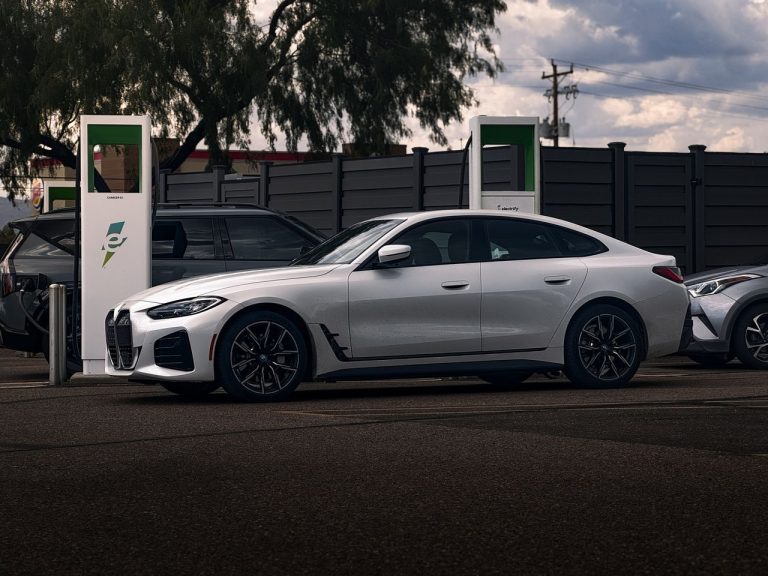
The charging network is also slowly moving beyond Nairobi. That matters because charging has always been one of the biggest questions around owning an electric car in Kenya. An EV is much easier to live with when you can charge it at home or at work, but long-distance travel requires a dependable public network.
Recent expansion along major corridors is beginning to address that problem. Public charging facilities are being introduced outside Nairobi, including locations around Machakos, Meru, Nanyuki and Nyeri, with the aim of supporting passenger cars, buses, vans and other electric vehicles.
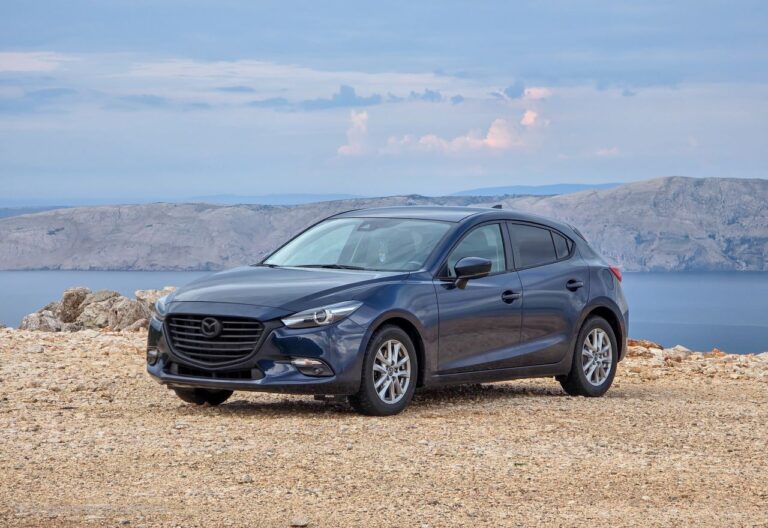
A few years ago, the choice of electric cars available to Kenyan buyers was relatively small. Today, the market includes used Nissan Leafs alongside newer models from brands such as BYD, Hyundai and other Chinese manufacturers. That gives buyers more options across different price points and body styles.
For someone considering a used EV, however, the battery is still the most important thing to investigate. A used electric car should not be evaluated simply by looking at its mileage and asking whether the engine is healthy, because there is no conventional engine. Battery condition, remaining capacity, charging behaviour, battery warranty and the availability of replacement components can have a major effect on the ownership experience.
There is another reason electric vehicles are becoming more visible: businesses have started to see the numbers. A private motorist might hesitate to pay more upfront for an EV because the savings accumulate gradually. A delivery company, taxi operator or bus company can calculate the economics much more directly. If a vehicle travels hundreds of kilometres every day, lower energy and maintenance costs can potentially make a substantial difference to operating expenses.
That is why Kenya’s electric mobility story is not really about private car buyers alone. It is also a story about commercial transport.
Electric buses are already operating in Kenya, while electric motorcycles have become increasingly visible in the boda boda and delivery sectors. These vehicles spend much of their working lives on the road, making them natural candidates for electrification. Private passenger cars will likely follow a different path.
For an individual buyer, the decision involves more than fuel savings. Purchase price, home charging, driving distance, battery condition, insurance, spare parts, resale value and access to public chargers all matter. This is where Kenya’s EV transition still has some distance to go.
Charging infrastructure remains uneven, particularly outside major urban centres. Upfront prices can still be higher than comparable petrol vehicles, and specialised EV technicians and parts are not yet as widely available as those for conventional cars. Government policy itself recognises inadequate charging infrastructure and high initial costs as barriers to wider adoption.
So it would be wrong to say that Kenyans are abandoning petrol and diesel cars overnight. They are not. What is happening is more gradual and perhaps more significant: electric vehicles are becoming a financially sensible option for more types of users.