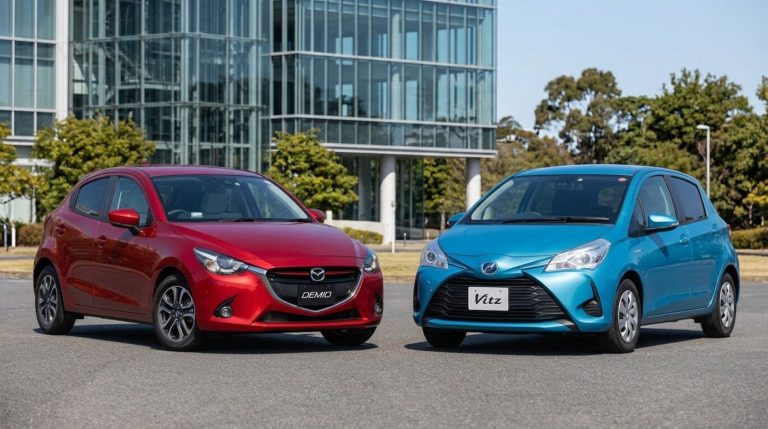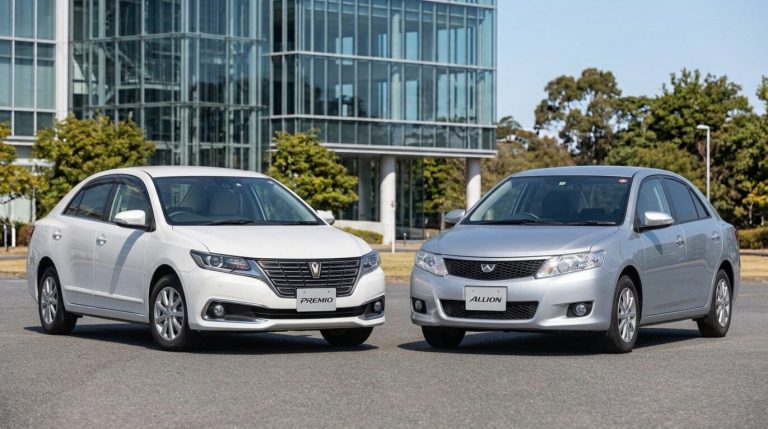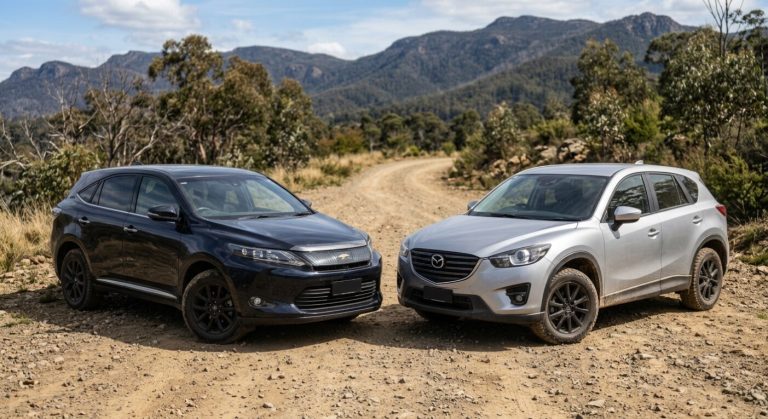



If you have been shopping for a used car in Kenya recently, chances are you have found yourself comparing two nearly identical vehicles with one important difference. One is a conventional petrol model. The other is a hybrid. The hybrid often promises lower fuel consumption, but it also comes with a higher purchase price.
That raises a question many buyers ask before making a decision: Will a hybrid actually save you money, or are the savings smaller than they appear? The answer depends on how you use your car. For some motorists, a hybrid can reduce ownership costs significantly over several years. For others, a conventional petrol vehicle may still be the smarter financial choice.
The biggest reason buyers choose hybrids is simple, fuel. Anyone who spends hours in Nairobi traffic understands how much fuel a conventional petrol engine can consume while crawling through congestion. A hybrid works differently. At lower speeds, the electric motor can assist or even power the vehicle on its own for short periods, allowing the petrol engine to switch off when it is not needed.
That is why models such as the Toyota Aqua, Toyota Fielder Hybrid and Toyota Corolla Hybrid often deliver noticeably better fuel economy in urban driving than their petrol equivalents. For someone commuting from Kitengela, Rongai or Kiambu into Nairobi every weekday, those fuel savings can become substantial over the course of a year.
However, fuel is only one part of the ownership story. A hybrid usually costs more to buy than a similar petrol vehicle. Whether that extra investment pays for itself depends on the number of kilometres you drive.
Also Read

Imagine two drivers. The first drives less than 8,000 kilometres each year, mainly running errands over short distances. The second covers more than 25,000 kilometres annually travelling between home, work and business appointments.
The second driver is far more likely to recover the higher purchase price through lower fuel costs. The first driver may never save enough fuel to justify paying more for the hybrid in the first place. This is why there is no universal answer. Mileage matters.
Battery concerns are another reason some buyers hesitate. It is true that hybrid batteries do not last forever. Like any component, they eventually wear out. Fortunately, modern Toyota hybrid systems have developed a strong reputation for durability, and many vehicles continue operating for years without requiring battery replacement.
Even so, buying a used hybrid without checking battery health is a mistake. A professional inspection before purchase can identify early signs of battery deterioration and potentially save you from an expensive surprise later. It is a small investment that provides valuable peace of mind.
Maintenance is another area where myths often circulate. Some people assume hybrids are extremely expensive to service simply because they are more advanced. In reality, routine servicing such as engine oil, filters, brakes and suspension, is not dramatically different from that of conventional petrol vehicles.
Where hybrids differ is in their specialised electrical components, which require technicians who understand hybrid systems. Fortunately, that expertise has become much easier to find in Kenya as hybrids have grown in popularity.
Resale value also deserves consideration. Demand for fuel-efficient vehicles has increased steadily over the past several years, making well-maintained hybrids attractive to many buyers. Rising fuel prices have only strengthened that interest. Of course, resale value still depends on condition, service history and market demand, but a carefully maintained hybrid often remains competitive when it comes time to sell.
That said, petrol cars continue to make excellent financial sense for many motorists. If you live in an area with little traffic, drive relatively short distances each year or simply prefer mechanical simplicity, a conventional petrol vehicle may provide everything you need without paying the premium that hybrids usually command. There is also something reassuring about buying a vehicle whose maintenance requirements every local garage understands.
Ultimately, choosing between a hybrid and a petrol car is less about technology and more about your driving habits. A hybrid rewards drivers who spend long hours on the road, particularly in stop-and-go traffic where fuel savings are greatest. A petrol vehicle often suits buyers with lower annual mileage or those who prioritise a lower purchase price over long-term fuel savings.
Neither option is automatically better. The better choice is the one that matches how you actually use your car rather than how you imagine using it. Before making your decision, calculate how many kilometres you drive in a typical year instead of focusing only on fuel consumption figures. That single exercise often reveals which option makes more financial sense.
At Iko Gari, we believe buying a car should always be based on the total cost of ownership rather than the sticker price alone. If you’re considering a hybrid, you may also find our guideson Why Hybrid Cars Are Dominating Kenya’s Used Car Market helpful. The car that saves you the most money is rarely the one with the lowest purchase price. It is the one whose running costs continue to fit your lifestyle long after you drive it home.