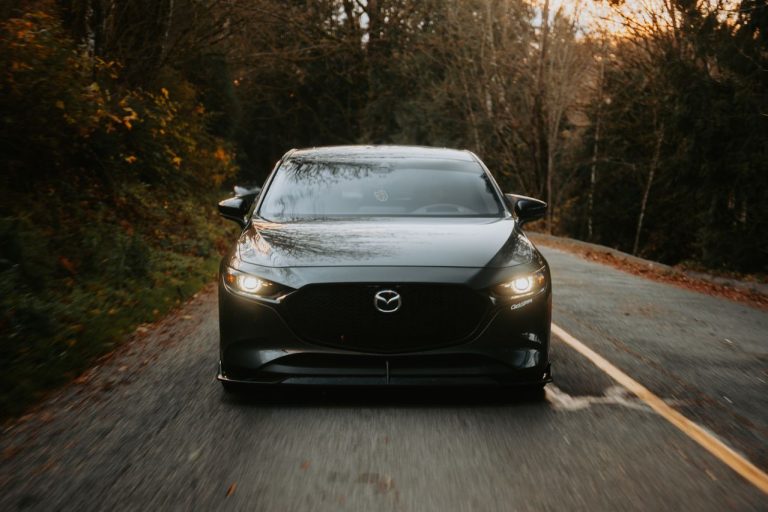



The Volkswagen Golf has built a reputation as one of Europe’s most recognisable hatchbacks. It combines compact dimensions with a refined driving experience, a well-designed interior and a range of engines that cater to different driving needs.
In Kenya, the Golf appeals to motorists who want something different from the usual Japanese hatchbacks. It offers a more European driving character, solid road manners and, depending on the version, impressive performance from relatively small engines.
However, buying a used Golf requires a little more consideration. Engine options, transmission technology and maintenance requirements vary considerably between generations. Is it a sensible purchase for Kenyan roads, or does its European engineering come with ownership costs that buyers should be prepared for?
Design and interior comfort
The Golf has maintained a relatively familiar design over several generations. Rather than dramatically changing its appearance with every update, Volkswagen has refined the hatchback’s proportions, styling and interior layout.
The sixth-generation Golf, commonly known as the Mk6, introduced a more polished design than its predecessor. The seventh-generation Mk7, launched in 2012, brought a more modern appearance, improved cabin technology and a lighter platform.
Inside, the Golf is generally well put together. The dashboard layout is straightforward, the driving position is comfortable and the materials often feel more substantial than those found in many budget hatchbacks.
The cabin provides reasonable space for five occupants, although four adults will generally be more comfortable on longer journeys. Boot capacity is practical for everyday shopping and luggage, making the Golf suitable for small families as well as individual motorists.
Higher-specification versions may offer features such as touchscreen infotainment, climate control, parking sensors, cruise control and advanced safety equipment. However, the exact equipment depends on the generation, trim and original market.
Engine options and performance
One of the Golf’s biggest strengths is the variety of engines available. Buyers can find small turbocharged petrol engines, larger petrol options and diesel variants, depending on the generation and market.
The Mk6 is commonly encountered with 1.2-litre and 1.4-litre TSI petrol engines, alongside larger petrol and diesel options. The 1.6-litre TDI diesel is another version worth knowing, particularly for buyers who cover longer distances.
The Mk7 continued with several TSI petrol and TDI diesel engines, including the popular 1.2-litre and 1.4-litre TSI options. Later versions also received updated engine technology and equipment.
The smaller turbocharged petrol engines are particularly interesting because they combine relatively modest engine capacity with useful performance. The 1.4 TSI, for example, offers a stronger driving experience than many naturally aspirated engines of similar capacity.
The diesel versions are generally better suited to motorists who regularly cover longer distances. However, diesel particulate filters and emissions systems need particular attention, especially if the car will spend most of its time making short trips in Nairobi traffic.
Fuel consumption varies considerably depending on the engine, transmission, driving conditions and mechanical condition. A small turbocharged engine can be economical when driven appropriately, but frequent acceleration, heavy traffic and poor maintenance can affect its efficiency.
Driving experience
The Golf is one of the hatchbacks that demonstrates why European cars have a reputation for balanced handling.
Its steering is generally precise, the suspension provides a composed ride and the car feels stable at highway speeds. Compared with many small economy hatchbacks, it offers a more planted driving experience, particularly on longer journeys.
In town, its compact dimensions make it relatively easy to manoeuvre and park. The available engine options also mean buyers can choose between ordinary everyday performance and more powerful versions.
However, the Golf is not particularly suited to badly damaged roads. Its ground clearance is relatively modest, and low-profile tyres on some trims can make potholes and rough surfaces more uncomfortable.
For motorists who regularly drive on well-maintained urban roads and highways, the Golf is an enjoyable car. Those who frequently travel on rough rural roads may find its relatively low stance less convenient.
Maintenance, reliability and concerns
The Golf’s reputation for reliability depends heavily on the particular engine, transmission and maintenance history. It is important not to treat every Golf as mechanically identical.
The TSI petrol engines require careful inspection. Some earlier engine variants have documented timing-chain tensioner or chain-related problems, while other versions use different timing systems and should not automatically be assumed to have the same weaknesses. Buyers should establish the exact engine code and production year before making a decision.
The turbocharging system, cooling system and engine oil condition also deserve attention. Look for coolant leaks, oil consumption, unusual engine noises and evidence of poor servicing.
The DSG transmission is another important consideration. It provides quick and smooth gear changes, but its maintenance requirements depend on the specific gearbox fitted. Some Golf versions use dry-clutch DSG units, while others have wet-clutch systems.
Certain dry-clutch DSG variants, particularly the DQ200, have documented issues involving clutch wear, juddering and mechatronic faults. Wet-clutch versions have different maintenance requirements and should not be judged by the same standards.
During a test drive, check for hesitation when moving off, jerking during low-speed driving, delayed gear engagement and unusual behaviour when changing between reverse and drive. A specialist diagnostic inspection is advisable before purchase.
Diesel buyers should also establish the condition of the DPF, EGR system and turbocharger where fitted. These components can become expensive to repair if neglected.
Parts and specialist servicing are available in Kenya, particularly in Nairobi, but not every workshop has the equipment or experience to diagnose Volkswagen systems correctly. Finding a competent Volkswagen specialist before buying can make ownership considerably easier.
Is the Volkswagen Golf worth buying in Kenya? The Volkswagen Golf is worth considering if you want a compact hatchback that offers a refined cabin, enjoyable driving dynamics and a wider choice of engine options than many conventional economy cars.
The Mk6 can offer an attractive entry point into Golf ownership, while the Mk7 brings a more modern interior, updated technology and improved platform engineering.