


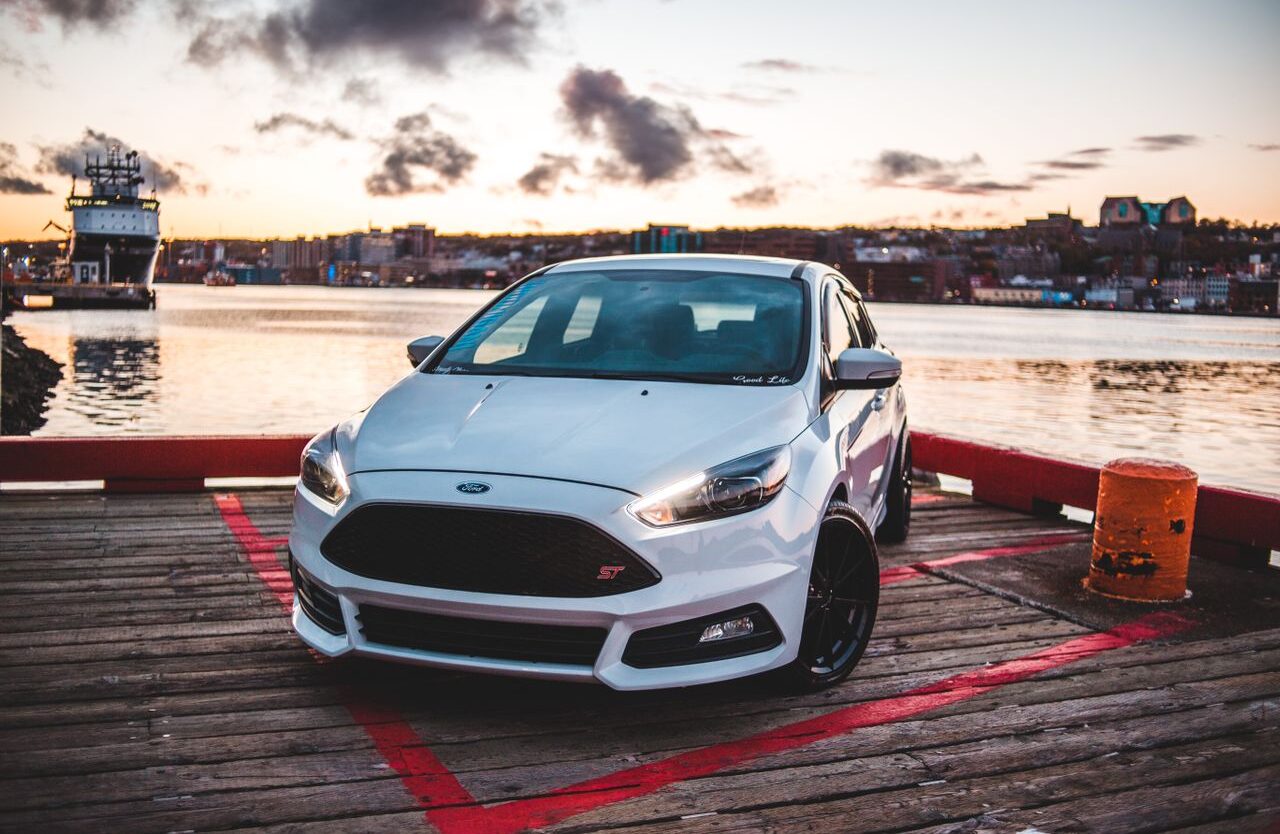
The price of used cars in Kenya is rising sharply, making it hard for many people to become car owners. The cause of this rise is due to several factors such as supply chain problems worldwide, a falling Kenyan Shilling and big changes coming from the Kenya Revenue Authority (KRA). Because of these changes, buyers have to be especially informed and careful when making decisions.
What’s Driving the Price Hike? A number of important factors are coming together to cause these high prices. Starting July 1, 2025 as you may already know, the KRA will use a new CRSP schedule and will base valuations for imported used cars on invoices. While the purpose is to make things fair and clear, the initial reviews show that import taxes for the Nissan Note, Mazda Demio, Toyota Probox and Toyota Vitz could be increased considerably. This means importers must pay more to land their goods which they then charge to consumers. Because of the last CRSP in 2019, many newer KRA models were not taxed properly and that mistake is playing a big role in the recent price changes.
Depreciating Kenyan Shilling: The Kenyan Shilling weakening against international currencies like the Japanese Yen and US Dollar makes buying cars from abroad much more expensive. Since sourcing cars from abroad costs more, importers have to increase their prices to keep making a profit.
Global Supply Chain Issues: Though supply chain problems are improving, they are still affecting the delivery of new cars which leads to more interest in used cars. Because the supply is limited, the price of oil goes up as demand increases.
Stricter Import Regulations: Effective January 1, 2025, the Kenya Bureau of Standards (KEBS) requires that only vehicles registered as right-hand drive from January 1, 2018, are allowed to be imported into the country. The eight-year age limit and reducing depreciation rates for used cars by KRA, make it more expensive to import older cars.
Economic Factors and Inflation: Inflation and higher interest rates for car loans are making car ownership more expensive in general. People who own cars find themselves spending more on fuel and repairs, so affordability is a major worry.
Impact on the Market and Buyers
Because of the high prices, the used car market in Kenya is changing. Imported used cars for instance are getting more expensive, so people expect demand for local vehicles to go up. It could allow some buyers to spend less, though the prices in this area might increase as more people are interested in them. You also find that buyers are now focusing on how fuel-efficient, reliable and cheap to maintain a car is. Cars made by Toyota and Honda, due to their durability and inexpensive spare parts, are still very popular. It is also now more difficult for first-time buyers to afford cars, since prices are higher and they might not have the needed savings or help from loans.
What Buyers Must Understand and Do
Navigating this high-priced market requires careful planning and due diligence: Apart from the vehicle’s price, be sure to include import duties (which may be much higher under the new CRSP), excise duty, VAT, RDL, IDF, insurance, maintenance and fuel costs in your budget.
You can also make time by going to the KRA’s website to learn about the new CRSP list and find the updated valuation standards for specific models. Search across several sites and dealerships to find out what your desired make and model is worth in the market. When considering the total cost of owning a car, check the fuel economy, how easy it is to get spare parts and the reputation of its maintenance.
A professional inspection is necessary before you buy when prices are high. Get a certified and independent mechanic to inspect the car for any concealed issues, accident damages and the general state of its mechanics. Pay attention to rust, dents, paint that doesn’t match, uneven tire tread and try out all the car’s features. Take the car for a complete drive test on different types of roads.
Always check the vehicle’s logbook details in the TIMS system of NTSA to confirm ownership, look for any marks against the car and confirm if there are any unpaid loans or if the car is listed as stolen. Having a complete service history lets you see how the vehicle has been looked after and maintained. If you import a car directly, the invoice the seller gives you must conform to the KRA’s new rules for valuing the vehicle.
You can still try to get a lower price, despite the rise in prices. Look up the fair market price and make a fair but strong offer. Check the terms and interest rates of bank loans, SACCO loans and dealer financing available in Kenya. If buying imported cars is not possible, seriously look into the local used car market. Even if prices go up, they might still have more affordable choices.
The coming months will play a key role in how the market responds to the new CRSP and wider economic changes. Buyers who equip themselves with knowledge and exercise caution will be best positioned to make informed decisions in this evolving landscape.