


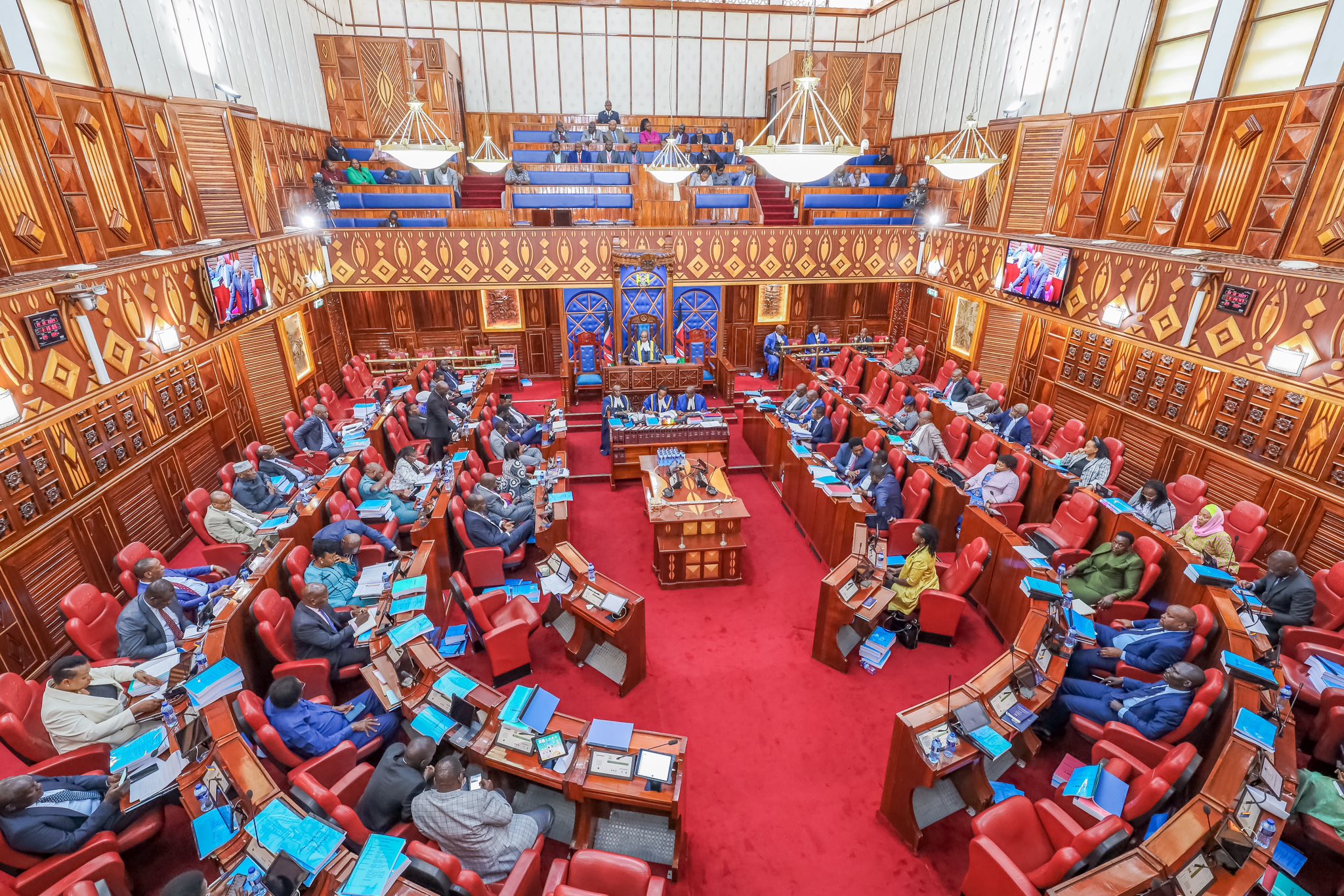
Kenya’s Senate has rejected three sets of proposed road-safety regulations covering motor vehicle inspections, school transport and commercial vehicle operations, raising questions about the government’s plans to strengthen vehicle safety standards.
The regulations, developed by the National Transport and Safety Authority (NTSA), were intended to improve vehicle roadworthiness, protect schoolchildren and tighten safety requirements for commercial transport operators.
The proposed measures included additional requirements for school buses, vehicle inspections and commercial vehicle safety equipment. Some provisions also addressed telematics systems for monitoring vehicle operations and underride protection for commercial vehicles, which can help reduce the risk of smaller vehicles sliding beneath larger trucks during collisions.
For Kenyan motorists, the decision is significant because the proposals could have introduced additional compliance requirements for vehicle owners, school administrators, matatu operators and transport companies. Depending on the final regulatory approach, the measures could also have implications for vehicle maintenance expenses, fleet management and the cost of operating public transport services.
However, the Senate’s decision does not mean that all existing road-safety laws have been cancelled. Requirements relating to valid driving licences, insurance, vehicle registration and existing roadworthiness obligations remain applicable under the relevant laws.
The government may revise the affected regulations and pursue the appropriate legal process if it intends to introduce them again. Until then, motorists and transport operators should distinguish between existing legal requirements and proposals that have not taken effect.
The decision comes amid renewed attention to road safety following a series of fatal crashes on Kenyan highways. It also highlights the challenge of balancing stronger safety standards with clear, enforceable regulations for vehicle owners and operators.
For motorists, the immediate priority remains ensuring that vehicles are roadworthy, properly insured and compliant with current traffic laws while awaiting further official guidance on the rejected regulations.