

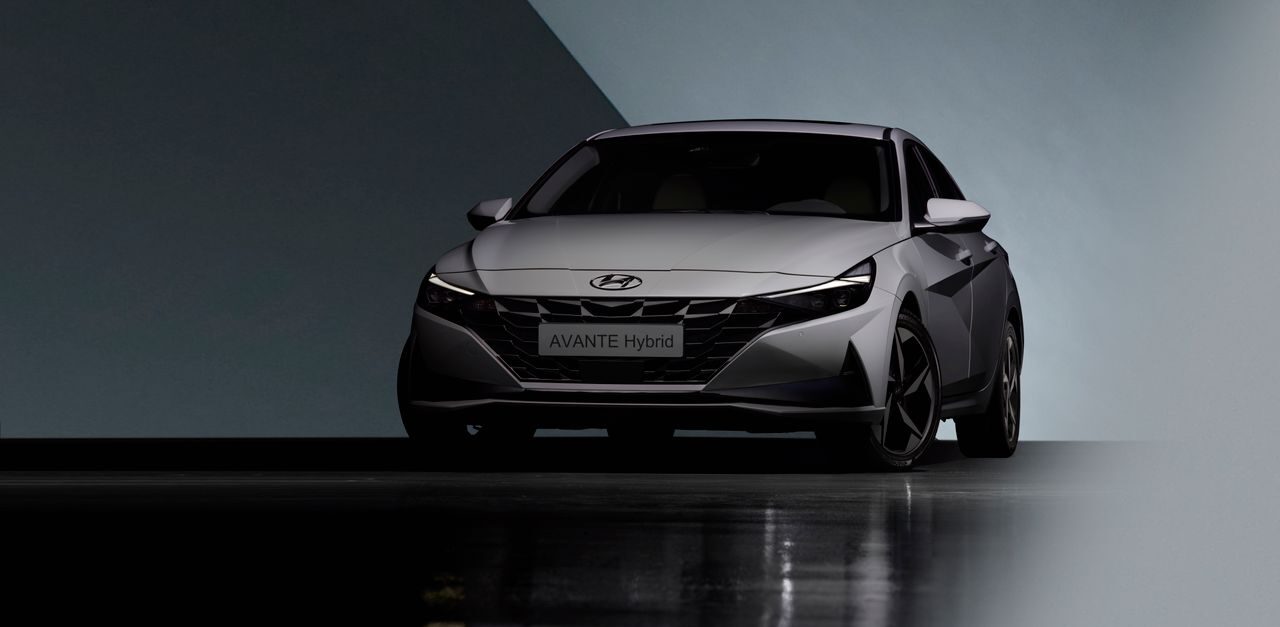
A few years ago, hybrid vehicles were viewed with a fair amount of suspicion in Kenya. Many buyers associated them with expensive batteries, complicated technology, and uncertain maintenance costs. Mechanics were still learning how to service them, spare parts were not always readily available, and few people were willing to take what seemed like a costly gamble.
Today, the situation is remarkably different. Walk through any major used car dealership, browse online listings, or spend a few minutes in Nairobi traffic, and one thing quickly becomes apparent: hybrid vehicles are no longer a niche category. They have become one of the most sought-after segments of Kenya’s used car market. Models such as the Toyota Fielder Hybrid, Toyota Axio Hybrid, Toyota Aqua, Honda Fit Hybrid, Nissan Note e-Power, and Toyota Corolla Cross Hybrid are attracting increasing attention from buyers looking to reduce their running costs without sacrificing convenience.
The biggest reason behind this shift is simple: fuel. Fuel prices have become one of the most significant expenses for Kenyan motorists. For many households and businesses, monthly fuel costs often exceed maintenance expenses. Every increase at the pump is immediately felt by commuters, taxi operators, delivery businesses, and families that rely on their vehicles daily.
Hybrid vehicles offer a practical response to this challenge. By combining a petrol engine with an electric motor, they are able to consume significantly less fuel than comparable conventional vehicles. In urban environments where traffic congestion is common, hybrids often perform particularly well because the electric motor can assist or even power the vehicle during low-speed driving. The result is lower fuel consumption without requiring drivers to change their habits or search for charging stations.
This advantage becomes even more noticeable in cities such as Nairobi, where stop-and-go traffic is a daily reality. A conventional petrol vehicle may spend long periods idling in traffic while continuing to consume fuel. Many hybrids, however, automatically switch off the petrol engine when stationary and rely on stored battery power when appropriate. Over weeks and months of commuting, the savings can be substantial.
The growing popularity of the Toyota Aqua provides a good example of this trend. Once considered an unusual choice, the Aqua has become one of the most recognizable vehicles on Kenyan roads. Buyers are attracted by its fuel efficiency, relatively affordable purchase price, and reputation for reliability. Ride-hailing drivers, in particular, have embraced the model because lower fuel consumption directly improves profitability.
The Toyota Fielder Hybrid has experienced a similar rise. For many buyers, it offers the best of both worlds: the practicality and cargo space of a station wagon combined with fuel economy that rivals much smaller vehicles. Families appreciate the space, while businesses value the reduced operating costs.
The Toyota Axio Hybrid has also gained a strong following among private motorists and corporate fleets. Its familiar design, proven reliability, and economical operation make it an attractive option for buyers seeking a comfortable daily driver that keeps fuel expenses under control.
Beyond fuel savings, another factor driving hybrid adoption is growing confidence in the technology itself. One of the most common fears among prospective buyers has traditionally been battery replacement. Stories of expensive battery failures circulated widely during the early years of hybrid adoption. While battery replacement remains a legitimate consideration, experience has shown that hybrid batteries often last much longer than many buyers initially assumed.
Thousands of hybrid vehicles have now been operating in Kenya for years, providing real-world evidence that these systems are generally durable when properly maintained. As more mechanics gain experience working with hybrids and more suppliers stock replacement batteries and components, ownership has become less intimidating than it once was.
The availability of technical expertise has also improved significantly. A decade ago, finding a technician capable of diagnosing hybrid-specific issues could be challenging outside major urban centres. Today, many garages have invested in the necessary diagnostic equipment and training. Hybrid repairs are no longer restricted to a handful of specialized workshops.
The supply side of the market has contributed to this growth as well. Japanese manufacturers have embraced hybrid technology on a large scale over the past decade, meaning many of the vehicles entering Kenya through imports are now hybrid models. As these vehicles become more common in Japanese auctions, Kenyan buyers naturally encounter more hybrid options when shopping for their next car.
Government policy and environmental awareness have also played a role, although perhaps less directly than fuel costs. Many motorists are increasingly aware of the environmental benefits associated with lower fuel consumption and reduced emissions. While cost savings remain the primary motivation for most buyers, the environmental aspect has become an added advantage rather than a distant consideration.
Interestingly, the rise of hybrids has occurred despite the growing global conversation around fully electric vehicles. While electric vehicles continue to attract attention, hybrids currently fit Kenya’s realities more comfortably. They do not require charging infrastructure, range anxiety is largely eliminated, and drivers can refuel at any petrol station in the country. For many motorists, hybrids provide most of the efficiency benefits associated with electrification while avoiding many of the practical challenges.
That does not mean hybrid ownership is without drawbacks. Hybrid vehicles are generally more complex than traditional petrol cars. Battery condition should always be assessed before purchase, and buyers should be cautious when evaluating older or poorly maintained units. Certain repairs can also be more expensive than those associated with conventional vehicles. However, many owners find that the long-term fuel savings offset these concerns.
The increasing dominance of hybrids in Kenya’s used car market ultimately reflects a broader economic reality. Buyers are becoming more focused on total ownership costs rather than simply purchase prices. A vehicle that consumes less fuel month after month can save its owner a significant amount of money over several years. When combined with improving reliability, growing technical support, and increasing availability, the appeal becomes difficult to ignore.
The success of models such as the Toyota Aqua, Toyota Fielder Hybrid, Toyota Axio Hybrid, Honda Fit Hybrid, and Nissan Note e-Power suggests that hybrid technology is no longer an experiment in Kenya. It has become a mainstream choice.
For many car buyers in Kenya today, the question is no longer whether a hybrid vehicle is practical. Instead, it’s whether buying anything other than a hybrid still makes financial sense. As fuel prices continue to rise and more hybrid models become available, taking the time to understand your options before making a purchase has never been more important.
At Iko Gari, we’re committed to helping you make smarter car-buying decisions through trusted reviews, practical buying guides, and expert insights tailored to the Kenyan market. If you’re considering a Toyota Fielder Hybrid or any other vehicle, we can help you understand what to look for, compare your options, and connect you with trusted automotive partners when you’re ready to buy. Because at Iko Gari, we believe that informed buyers make better decisions.