


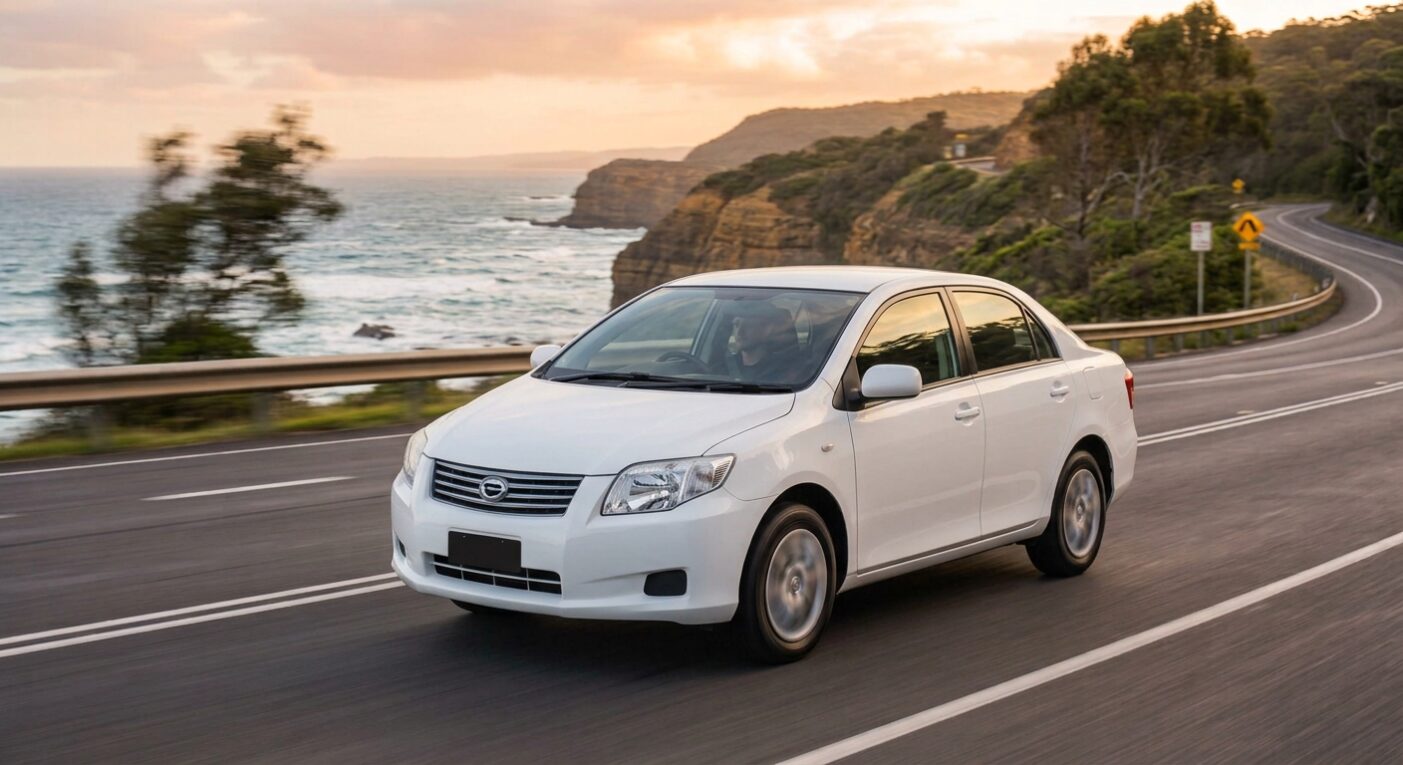
The Toyota Axio has earned a reputation as one of Kenya’s most dependable saloon cars. It is a familiar sight everywhere, from Nairobi’s busy streets to rural towns where reliability matters more than flashy features. Many people buy it because of Toyota’s reputation, but another reason often becomes clear after a few years of ownership, it is relatively inexpensive to maintain.
Still, “cheap to maintain” means different things to different people. Some buyers are thinking about routine servicing, while others worry about expensive repairs or the long-term availability of spare parts. Understanding the real cost of owning a Toyota Axio can help you decide whether it is the right car for your budget.
Routine Servicing
For most owners, routine servicing is where the majority of maintenance costs go. A standard service typically includes replacing engine oil, the oil filter, and carrying out basic inspections of brakes, suspension, tyres, and fluid levels. Depending on where you have the work done and the quality of parts and oil used, a routine service generally costs between KSh 6,000 and KSh 12,000.
Servicing at the recommended intervals is one of the simplest ways to keep an Axio running reliably for many years. Skipping routine maintenance may save money today, but it often leads to more expensive repairs later.
Spare Parts Availability
One of the Axio’s biggest strengths is the availability of spare parts. Because thousands of Toyota Axios have been imported into Kenya over the years, replacement parts are easy to find in most towns. Whether you visit a Toyota dealer, an independent parts shop, or a reputable garage, chances are you’ll have several options available. Competition among suppliers has also helped keep prices reasonable, making the Axio one of the more affordable cars to repair compared to many European models or newer vehicles with limited parts availability.
Fuel Costs
Maintenance is not just about repairs. Fuel is one of the biggest ongoing ownership expenses. The Toyota Axio is known for its economical engines, particularly the 1.5-litre variants. Under normal driving conditions, many owners report fuel consumption of around 15–20 kilometres per litre, depending on traffic, driving style, and the condition of the vehicle. For commuters travelling daily between home and work, this level of efficiency can make a noticeable difference to monthly running costs.
Common Wear-and-Tear Repairs
Like any vehicle, the Toyota Axio eventually requires replacement of components that wear out through normal use. Brake pads, shock absorbers, suspension bushes, tyres, and batteries are among the most common maintenance items. Fortunately, these are widely available, and replacement costs are generally reasonable because of the car’s popularity. Unexpected mechanical failures are relatively uncommon on a well-maintained Axio, which is one reason the model continues to enjoy a strong reputation among private owners, businesses, and driving schools alike.
Insurance and Annual Expenses
Ownership costs extend beyond servicing and repairs. Insurance premiums vary depending on the vehicle’s value, the driver’s profile, and the type of cover selected. Comprehensive insurance naturally costs more than third-party cover, but many owners consider it worthwhile, particularly for newer models.
Annual expenses such as tyre replacement, wheel alignment, balancing, and occasional air-conditioning servicing should also be factored into your maintenance budget. While these costs are not unique to the Axio, planning for them helps avoid unexpected financial surprises.
Can Maintenance Costs Be Reduced?
Yes, but not by cutting corners. The most effective way to reduce maintenance costs is through preventive care. Servicing the vehicle on time, using quality replacement parts, checking tyre pressure regularly, and addressing small problems before they become major repairs can significantly reduce long-term ownership costs. Choosing a qualified mechanic who understands Toyota vehicles is equally important. A poor repair can end up costing much more than doing the job correctly the first time.
Is the Toyota Axio Expensive to Maintain?
For most Kenyan motorists, the answer is no. The Toyota Axio remains one of the most affordable saloon cars to own because it combines fuel efficiency, dependable engineering, and excellent spare parts availability. It is not immune to repairs but its maintenance costs are generally predictable and manageable compared to many alternatives in the same category. That combination has helped the Axio remain a favourite among first-time buyers, families, small business owners, and anyone looking for reliable transport without high ownership costs.
If the Toyota Axio is on your shortlist, you might also enjoy some of our other buying guides. We recently took an in-depth look at the Toyota Fielder Hybrid, exploring why it has become one of Kenya’s favourite family and business vehicles thanks to its exceptional fuel economy, reliability, and practicality.
At Iko Gari, we believe the best car-buying decisions are informed ones. That’s why we go beyond specifications and marketing claims to provide practical, independent advice that reflects the realities of owning a car in Kenya. Whether you’re buying your first vehicle or planning your next upgrade, we’re here to help you know more and buy better.