


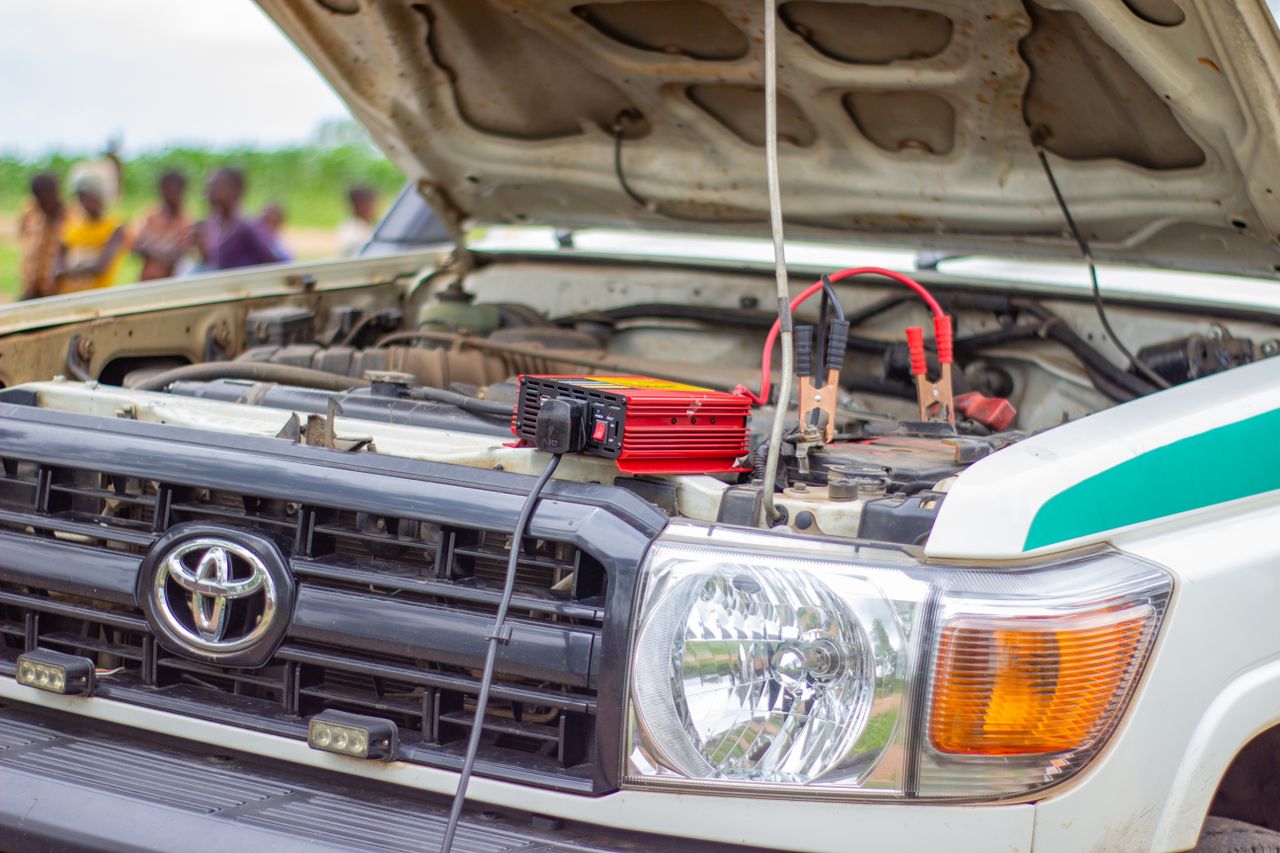
Most people don’t think about their car battery until the engine refuses to start. You turn the key or press the start button and instead of the familiar sound of the engine coming to life, you hear a slow crank, a few clicks and then silence. It is one of the more frustrating ways for a normal morning to begin, especially when the battery probably gave you clues that it was getting weak.
A conventional car battery typically lasts around three to five years, although there is considerable variation depending on the vehicle, climate, driving pattern and maintenance. Heat, frequent short trips, long periods of inactivity and problems with the charging system can all shorten its life.
For Kenyan motorists, heat is worth taking seriously. A battery working in a hot environment can deteriorate faster than one operating in cooler conditions, so simply assuming that a battery will last five years because that’s what is printed in a general maintenance guide can leave you stranded.
Don’t Wait Until the Battery Dies
Age is one of the simplest ways to decide when a battery deserves attention. Once it reaches about three years, having it tested periodically is sensible, particularly if the vehicle is used every day. By the time it reaches four or five years, replacement becomes something worth planning even if the car still starts normally.
That doesn’t mean every three-year-old battery needs to be thrown away. A proper battery test can provide a much better indication of its condition than age alone. If the battery still has good starting capacity and is holding a charge properly, it may have plenty of useful life left.
The problem is that batteries don’t always provide a dramatic warning before they fail. Some gradually become weaker, while others can fail unexpectedly, particularly after years of heat, vibration or repeated deep discharges.
One of the clearest signs is a slower-than-usual engine crank. If the starter sounds noticeably more sluggish when you start the car, particularly first thing in the morning, the battery may no longer be delivering the current it once did.
You may also notice dimming or flickering lights, electrical accessories behaving unusually or a clicking sound when you try to start the engine. None of these symptoms proves that the battery itself is failing because poor connections, a faulty starter motor or a charging-system problem can produce similar symptoms. But they are good reasons to have the electrical system tested rather than ignoring the change.
Frequent jump-starts are another major warning sign. If you’ve needed to jump-start the same car several times recently, replacing the battery may be necessary, but don’t stop there. A healthy charging system should recharge the battery while you’re driving, so repeated discharge can also point to an alternator or electrical fault.
Heat and Short Trips Can Shorten Battery Life
Kenya’s climate can be tough on car batteries, particularly in hotter areas. Heat accelerates the chemical processes inside a battery and can contribute to faster deterioration. Under-bonnet temperatures can also become considerably higher than the surrounding air temperature.
Your driving habits matter too. If most of your journeys are only a few kilometres, the battery may not have enough time to recover the energy used during starting. A vehicle that sits unused for long periods can also lose charge over time.
This doesn’t mean you need to take your car on unnecessary long drives just to “charge the battery.” It means that if a vehicle is mainly used for very short trips or spends weeks parked, the battery deserves closer attention.
Before buying a new battery, make sure the battery is actually the problem. A technician can test its starting and charging performance and determine whether it is still capable of doing its job. The charging system should also be checked because an alternator that isn’t charging correctly can make a perfectly good battery appear faulty.
Physical inspection matters as well. Corrosion around the terminals can interfere with the electrical connection, while a cracked, leaking or swollen battery is a more serious concern and should be replaced rather than simply cleaned or recharged.
A battery that repeatedly goes completely flat should also be investigated. Deep discharge can significantly shorten its useful life, so repeatedly jump-starting the vehicle without finding the reason for the discharge is not a long-term solution.
When it is finally time for replacement, don’t choose a battery based solely on physical size or price. Your vehicle requires a battery with the correct type, dimensions, terminal arrangement and electrical specifications.
The manufacturer’s recommendation should guide the choice, including the required cold-cranking or capacity rating where applicable. Some modern vehicles also require specific battery technologies, such as AGM batteries, and their charging systems may be designed around those requirements.
It’s also worth checking the battery’s production or activation date when buying a new one. A battery that has spent a long time sitting in storage isn’t necessarily equivalent to freshly stocked battery, particularly if it hasn’t been properly maintained while in storage. And don’t automatically choose the cheapest option. A battery with a good warranty and a reputable source can be better value than repeatedly replacing low-quality batteries.
What About Hybrid Cars?
If you drive a Toyota Aqua, Prius, Fielder Hybrid or another hybrid, remember that the 12-volt auxiliary battery is different from the high-voltage hybrid battery.
A weak 12-volt battery can still cause starting and electrical problems even when the main hybrid battery is perfectly healthy. Conversely, problems with the high-voltage hybrid battery require a different type of diagnosis.
This distinction is particularly important when buying or maintaining a used hybrid in Kenya. Don’t let a mechanic replace an expensive hybrid battery simply because the car has an electrical problem without first establishing which battery or system is actually responsible.
So, as earlier mentioned, there isn’t a magic date when every car battery must be replaced. Three to five years is a useful general lifespan, but the actual timing depends on climate, driving habits, battery quality, vehicle electronics and the condition of the charging system.
If your battery is approaching its fourth or fifth year, have it tested rather than waiting for it to fail. If the engine is cranking slowly, you’ve needed several jump-starts, the lights are becoming dim or the battery is visibly damaged, don’t ignore those signs.
For Kenyan drivers, a little prevention is especially worthwhile. A battery replacement is relatively straightforward; being stranded somewhere because the battery finally gave up is considerably less convenient. The best time to replace a failing battery is before it leaves you standing beside the car wondering why it won’t start.