


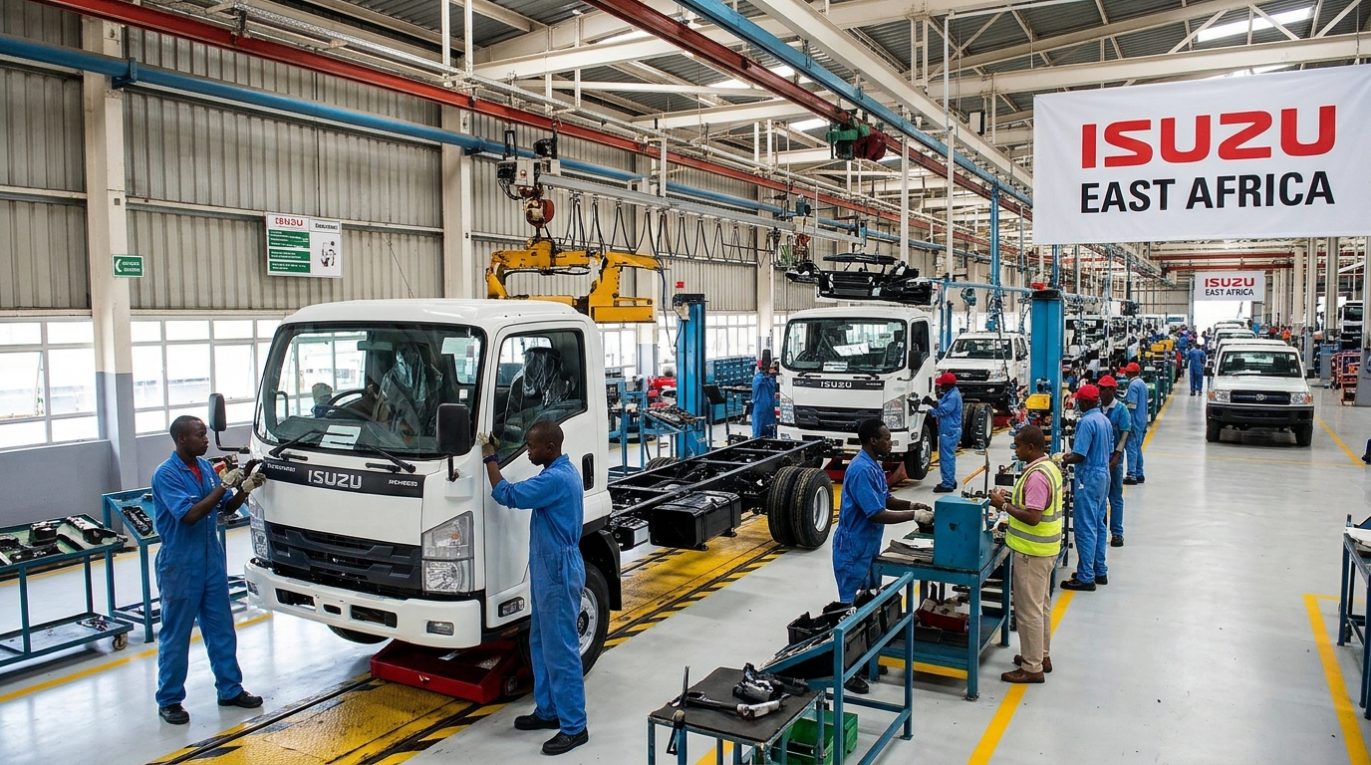
New-vehicle sales in Kenya have risen by 27% in the first nine months of 2026, driven largely by stronger demand for trucks, pickups and other commercial vehicles as road construction and business activity pick up.
Data from the Kenya Motor Industry Association (KMIA) as of October 20, shows that dealers sold 12,606 new vehicles between January and September, compared with 9,924 during the same period last year. The increase represents 2,682 additional vehicles.
The strongest growth came from vehicles used in transport, construction and logistics. Truck sales rose by 38.3% to 5,527 units, while single-cab pickup sales climbed 55.9% to 2,089. Sales of prime movers, which haul heavy trailers, surged 63.6% to 1,088 units.
The figures point to growing demand from businesses expanding their fleets or replacing older vehicles, rather than a boom driven solely by private car buyers.
Government projects drive demand
Isuzu East Africa attributed much of the growth in commercial vehicle sales to government payments to road contractors and the resumption of infrastructure projects. The mobilisation of KSh139 billion to settle contractor bills has helped ease cash-flow pressures for businesses involved in road works, potentially supporting purchases of trucks and other equipment. However, the industry figures do not establish how much of the increase resulted directly from these payments.
Isuzu remained Kenya’s largest new-vehicle dealer, selling 5,722 units during the nine-month period, up 22.5% from a year earlier. CFAO Mobility Kenya, which distributes brands including Toyota, Mercedes-Benz, Volkswagen and Hino, recorded faster growth of 39.6%, selling 4,562 vehicles.
Together, the two dealers accounted for 81.6% of the reported market, underlining the dominance of established distributors in Kenya’s new-vehicle sector.
What does this mean for car buyers?
The increase is an encouraging sign for the new-vehicle market, particularly for businesses that depend on transport and construction. Lower commercial lending rates may also be making vehicle financing more manageable, although borrowing costs remain a consideration for fleet operators.
However, these figures cover sales reported by established new-vehicle dealers. They should not be interpreted as a 27% increase across Kenya’s entire car market, which also includes used imports and other vehicles outside the reporting group.
Dealers still face operational challenges, including shortages of number plates that can delay vehicle deliveries even after a sale has been completed. For now, the figures suggest that Kenya’s new-vehicle market is gaining momentum, with commercial vehicles leading the recovery.