


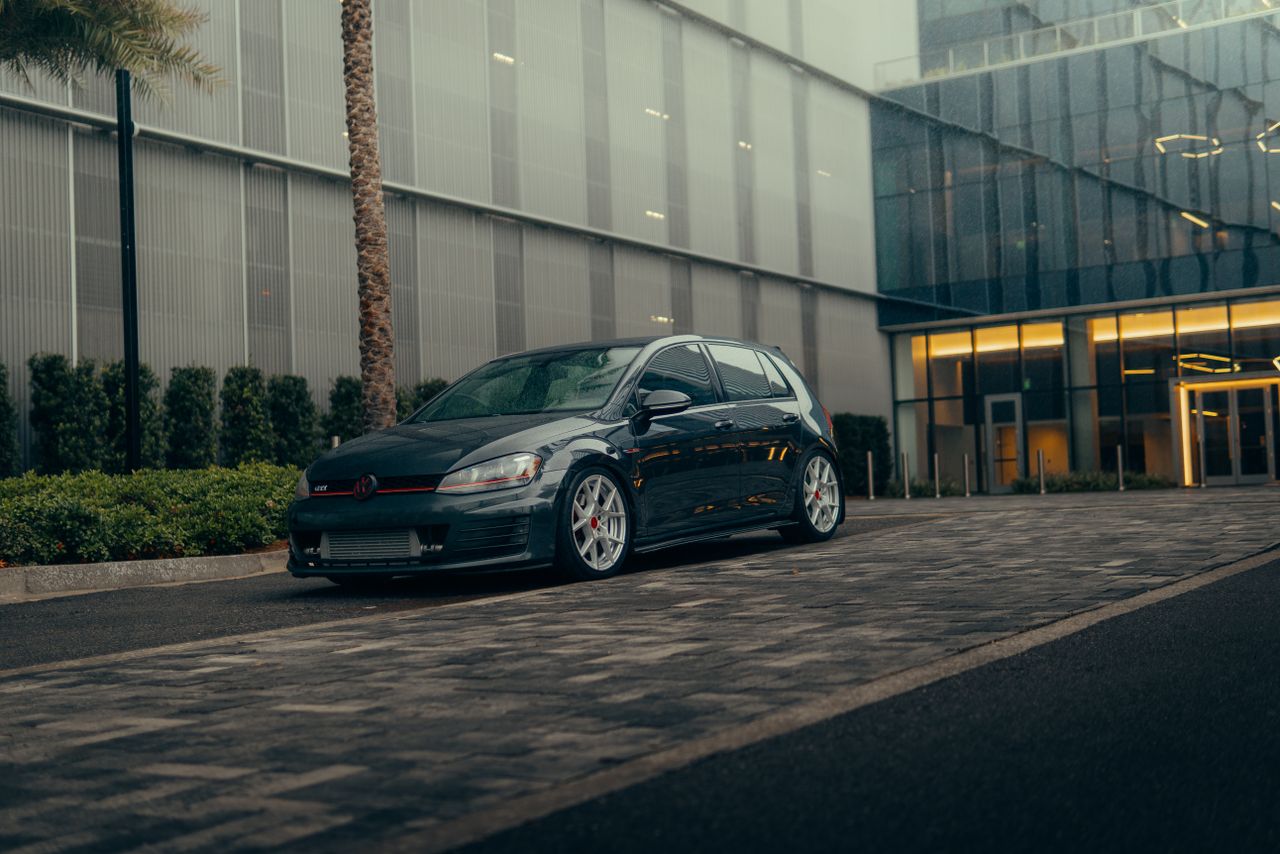
Choosing the right car size for Nairobi depends on where you drive, how many people you carry and how often you deal with traffic or tight parking spaces. A large SUV may offer comfort and road presence, but a smaller hatchback can be easier to manoeuvre through crowded streets and fit into limited parking spaces.
For most urban motorists, a compact hatchback or small sedan offers a good balance of convenience, fuel economy and everyday practicality. However, the best choice depends on your routine rather than size alone.
Compact cars such as the Toyota Vitz, Suzuki Swift and Honda Fit are popular options for urban driving because they are relatively easy to manoeuvre and park. Their smaller footprints are useful in busy areas such as the CBD, Westlands and Kilimani, where parking spaces can be limited and traffic often moves slowly.
Their smaller engines can also help keep fuel costs manageable, although actual consumption depends on the engine, vehicle condition and driving habits. For someone who mainly drives alone or with one or two passengers, a compact hatchback may offer everything needed without the additional running costs of a larger vehicle.
The trade-off is space. Boot capacity can be limited, particularly when carrying luggage or shopping, and rear-seat comfort varies between models.
Is a sedan a better choice? Well, a compact or midsize sedan is worth considering if you regularly travel with passengers, need a larger boot or make frequent trips outside Nairobi. Models such as the Toyota Axio and Mazda Axela offer a different balance of cabin space, comfort and practicality.
A sedan may be longer than a hatchback, making tight parking and U-turns slightly more challenging. However, that difference is manageable for most drivers once they become familiar with the vehicle’s dimensions.
For motorists who commute during the week but travel upcountry on weekends, a sedan can be a sensible middle ground between a small hatchback and a larger SUV.
When does an SUV make sense?
A compact SUV such as the Toyota Raize or Honda Vezel may suit drivers who want a higher seating position, easier entry and exit, and more flexibility on rougher roads. Ground clearance can be useful on uneven estate roads, speed bumps and poorly maintained sections, although it does not make every SUV suitable for serious off-road driving.
Larger SUVs are more appropriate for households that need substantial passenger or luggage space, regularly travel with several people or have specific work requirements. In Nairobi’s congested streets, however, their extra width and length can make parking more demanding. Fuel, tyres and some maintenance costs may also be higher.
Buying an SUV solely because Nairobi’s roads can be rough may not be worthwhile if most journeys take place on well-maintained urban roads.
Car size matters most when it matches your actual driving conditions. If your home, workplace or apartment has narrow access roads or a small parking bay, measure the available space before buying. Consider the car’s turning circle as well as its length and width.
Also think about how many people you normally carry. A two-person commute does not necessarily justify a seven-seater, while a family with several children may quickly outgrow a small hatchback.
So, what is the best car size for Nairobi? Let me just say that for everyday city driving, a compact hatchback is often the easiest and most economical starting point. A sedan makes more sense if you need extra boot space and regularly travel longer distances, while a compact SUV is worth considering if ground clearance and a higher seating position matter to you.