

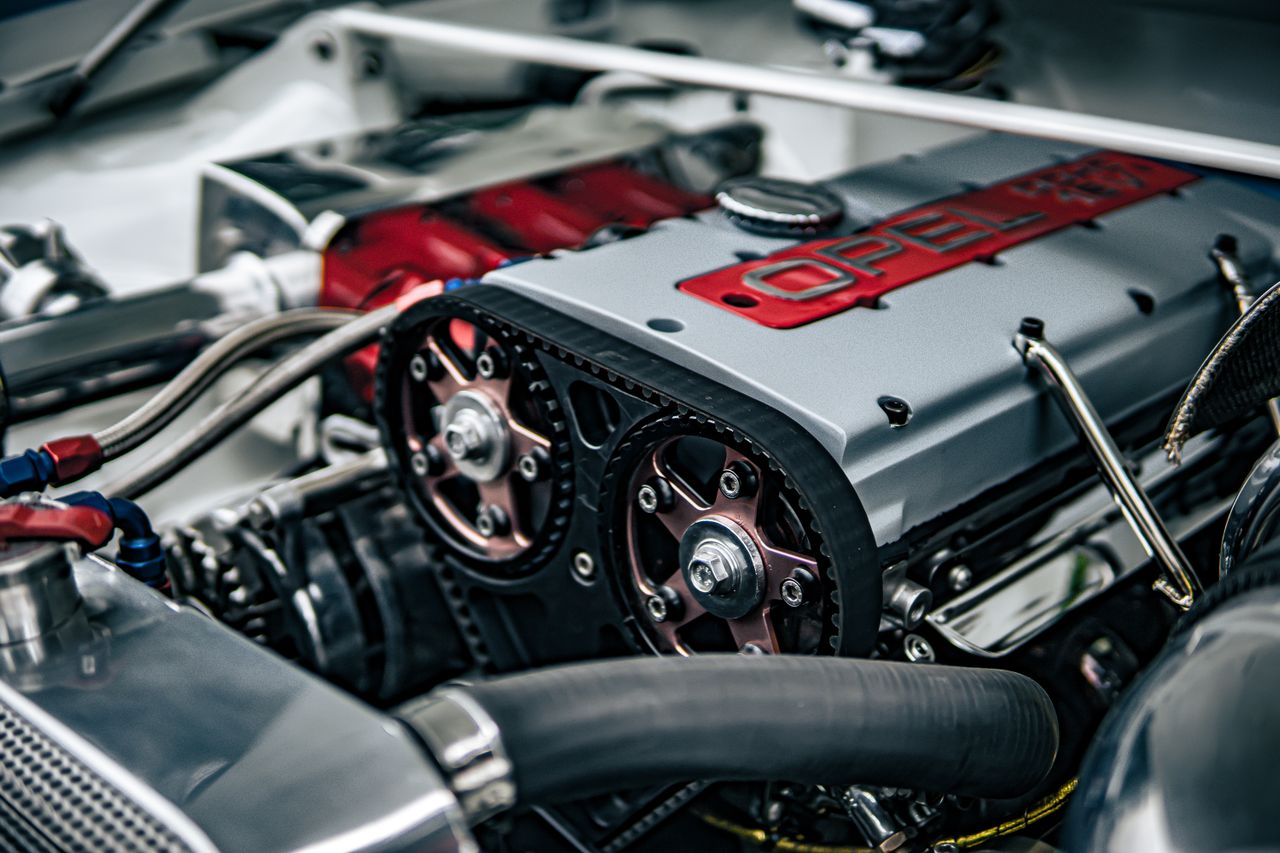
If you have ever taken a car for servicing or considered buying a used vehicle, you may have heard a mechanic mention a timing belt or timing chain. Both perform an important job inside the engine, yet some manufacturers use belts while others prefer chains.
This often raises a simple question: why do some cars have timing chains while others use timing belts, and which system is better?
The answer has less to do with one being universally superior and more to do with engine design, manufacturing costs, noise, maintenance requirements and the performance characteristics a manufacturer wants to achieve.
So, what does the timing system do? The timing belt or chain connects the crankshaft to the camshaft or camshafts. Its job is to ensure that the engine’s valves open and close at the correct time in relation to the movement of the pistons.
This coordination is essential. As the pistons move up and down, the valves must open and close in a precise sequence to allow air and fuel into the cylinders and exhaust gases out.
If the timing is lost, the engine may stop running or suffer serious internal damage. In some engines, pistons can collide with open valves when the timing system fails. This can result in bent valves and expensive engine repairs. Other engine designs have enough clearance to avoid this type of contact, so the consequences are not identical across all vehicles.
Why Do Some Cars Use Timing Belts?
A timing belt is made from reinforced rubber and is designed to withstand the repeated movement and tension required to keep the engine in time.
One of its main advantages is quieter operation. Unlike a metal chain, a belt generally produces less mechanical noise. It is also relatively light and can help manufacturers reduce production costs.
However, timing belts deteriorate with age and use. Heat, oil contamination and normal wear can weaken the material over time. For this reason, manufacturers specify replacement intervals, usually based on mileage, age or both.
The exact interval varies considerably between engines. Some belts may require replacement after a particular mileage, while others have longer service intervals. A belt can also deteriorate even when the vehicle has covered relatively few kilometres, which is why age matters.
There are also engines that use wet timing belts, which operate inside the engine and are exposed to engine oil. These have different material and oil requirements, and their maintenance should follow the manufacturer’s instructions.
Why Do Other Cars Use Timing Chains?
A timing chain performs the same function but uses metal links rather than reinforced rubber. It operates inside the engine and is lubricated by engine oil.
Chains are generally designed to last longer than conventional timing belts. Many manufacturers do not specify routine replacement at the same fixed intervals used for belts. However, this does not mean a timing chain lasts forever.
Over time, the chain can stretch through wear, while its guides and tensioner can also deteriorate. Poor oil maintenance, incorrect oil specifications and neglected servicing can contribute to problems.
When a timing chain develops excessive slack, it may produce a rattling noise, particularly during a cold start. Other warning signs can include rough running, difficulty starting, a check-engine light or engine timing-related fault codes.
A failing chain tensioner or worn guides can also create problems even when the chain itself has not reached the end of its service life. These components need to be inspected as part of a proper diagnosis.
Which One Is Better for a Car Owner?
A timing chain may appear to be the better option because it generally has a longer service life and does not always require scheduled replacement. However, chain repairs can be expensive because accessing the system may involve significant engine dismantling. Replacing the chain, guides and tensioner can also add to the cost.
A timing belt, on the other hand, requires planned replacement, but the work is often more predictable. Where the manufacturer’s procedure recommends it, mechanics may replace related components such as the tensioner, idler pulleys and water pump at the same time to avoid paying for labour again later.
For Kenyan motorists, the distinction becomes particularly important when buying a used import. A vehicle may look well maintained but have no reliable record of when its timing belt was last replaced. In such a case, confirming the service history or budgeting for replacement is a sensible precaution.
With a timing-chain engine, do not assume that the absence of a replacement schedule means there is nothing to check. Ask about oil servicing, listen for unusual rattling and have the engine inspected if there are warning signs.
Most importantly, identify the exact engine fitted in the vehicle. Two cars from the same manufacturer, or even different versions of the same model, may use different timing systems. The owner’s manual and manufacturer service information should guide the maintenance schedule.