


The BMW 3 Series has long been one of the German manufacturer’s most recognisable cars. It combines a premium interior, engaging driving experience and the practicality of a four-door saloon. In Kenya, it is also a car that attracts attention without necessarily carrying the price tag of a brand-new luxury vehicle.
But buying a used BMW 3 Series requires more thought than choosing a model year and checking the price. The car has been produced through several generations, with different engines, transmissions and maintenance requirements.
For Kenyan buyers, the F30 generation, produced from 2012 to 2019, is particularly worth considering. It appears frequently in local listings, especially as a 320i. Older E90 models remain available for buyers with smaller budgets, while the newer G20 offers a more modern experience at a considerably higher purchase price.
Which BMW 3 Series Is Common in Kenya?
The E90, produced from 2005 to 2013, is one of the older generations you will still encounter on Kenyan roads. It is available in several versions, including the 318i and 320i petrol models. These cars can offer an affordable entry into BMW ownership, but their age means condition and maintenance history are especially important.
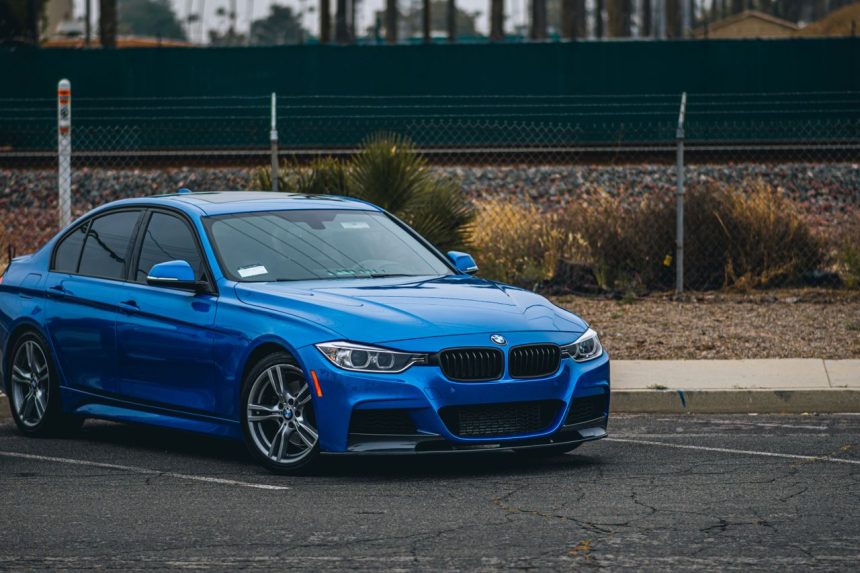
The F30 followed in 2012 and remained in production until 2019. It brought a more modern design, improved cabin technology and a wider range of turbocharged engines. The 320i is among the versions frequently advertised in Kenya, alongside the 318i, 328i and other variants.
The G20 arrived in 2019. It has a more modern interior, larger body and more advanced technology. Kenyan listings include 2019 320i and 330i models, although these generally sit in a much higher price bracket than older F30s.
Based on the vehicles currently advertised, the F30 is a sensible generation to focus on when shopping for a used 3 Series in Kenya. It offers a balance between age, equipment and availability.
Design, Interior and Driving Experience
The F30 has a clean, understated design. It does not look as dramatic as some newer BMW models, but its proportions still give it a premium appearance. The long bonnet, familiar kidney grille and balanced body shape make it easy to recognise.
Inside, the F30 offers a comfortable driving position, supportive seats and a dashboard that is relatively straightforward to use. The cabin feels more refined than many ordinary compact saloons, particularly in higher trims. Depending on the specification, features may include leather upholstery, a sunroof, automatic climate control and a larger infotainment screen.
The 3 Series is also enjoyable to drive. Its rear-wheel-drive layout gives it a different character from many front-wheel-drive family cars. Steering is generally responsive, and the suspension balances comfort with good handling on smooth roads.
The F30 320i commonly uses a 2.0-litre turbocharged petrol engine, although the exact engine and output depend on the year and market. It offers enough performance for everyday driving and highway overtaking without needing to move to the more powerful 328i or 330i.
The E90 can still be enjoyable, especially in versions with naturally aspirated six-cylinder engines, but its older design and technology are more noticeable today. The G20 feels more modern and refined, although its higher purchase price may not suit every buyer.
Fuel Consumption and Everyday Use
The BMW 3 Series is not necessarily as fuel-hungry as its reputation suggests, but it is not a small economy car either.
A 2.0-litre turbocharged petrol F30 can deliver reasonable fuel economy when driven sensibly. However, consumption will increase in heavy Nairobi traffic, during frequent acceleration and when the engine is driven hard. The condition of the engine, transmission and tyres also affects fuel use.
The 320i is generally a more sensible everyday choice than the larger-engine performance versions if fuel costs matter. Buyers should still avoid relying entirely on advertised figures, especially when dealing with imported vehicles whose specifications may differ.
One limitation is ground clearance. The F30 has relatively low clearance, around 140mm in many standard configurations, and M Sport versions can sit lower. This means you need to be careful around speed bumps, potholes, steep driveways and rough access roads. It is best suited to reasonably maintained tarmac rather than frequent driving on badly damaged roads.
Maintenance and Reliability
This is where the BMW 3 Series requires careful consideration. The F30’s four-cylinder turbo engines offer good performance, but some earlier versions have known weaknesses. The N20 engine, found in certain early 320i and 328i models, has documented timing-chain and guide concerns. Buyers should pay particular attention to cold-start rattling, unusual whining and evidence of previous timing-chain work.
Later engines, including the B-series petrol engines used in newer F30 versions and the G20, have different designs and should not automatically be treated as having the same problems. However, they still require correct servicing and careful inspection. Cooling-system leaks, oil leaks and worn suspension components are worth checking on used examples.
The transmission also deserves attention. Many F30 models use an automatic gearbox that can provide smooth, quick shifts when properly maintained. During a test drive, check for hesitation, harsh engagement, shuddering or unusual noises. Confirm the gearbox type and follow the appropriate service requirements.
For Kenyan buyers, specialist support is important. A BMW is not necessarily difficult to maintain when it is in good condition and serviced correctly, but repairs can become expensive when problems are ignored. Before purchasing, confirm that the workshop you intend to use understands the particular engine and transmission in the car.
Should You Buy a BMW 3 Series?
The BMW 3 Series is worth considering if you want a premium saloon that is comfortable, enjoyable to drive and more engaging than many ordinary family cars. The F30 320i is a strong starting point for most buyers because it is relatively modern and appears regularly in the Kenyan used-car market. A well-maintained unit can offer a good balance of performance and everyday usability.
The E90 may suit someone working with a smaller budget, but age and maintenance history should guide the decision. The G20 is the more modern choice, with better technology and a more contemporary cabin, but it requires a larger investment.
Honestly, the BMW 3 Series is not a car to buy simply because the asking price looks attractive. A cheap unit with neglected maintenance can quickly become more expensive than a better-kept car.
If you find a well-maintained F30 with a clear service history, the right engine specification and a clean inspection report, it can be a rewarding car to own. Just remember that the purchase price is only the beginning of the ownership cost.