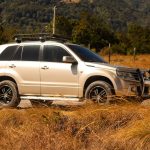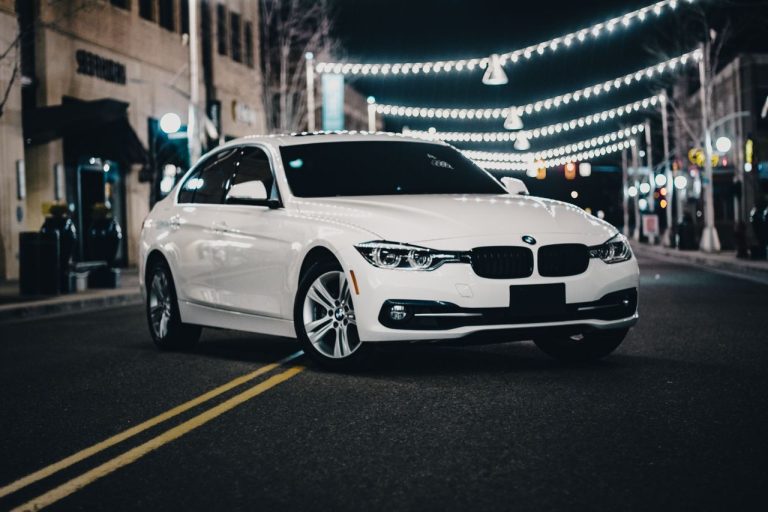



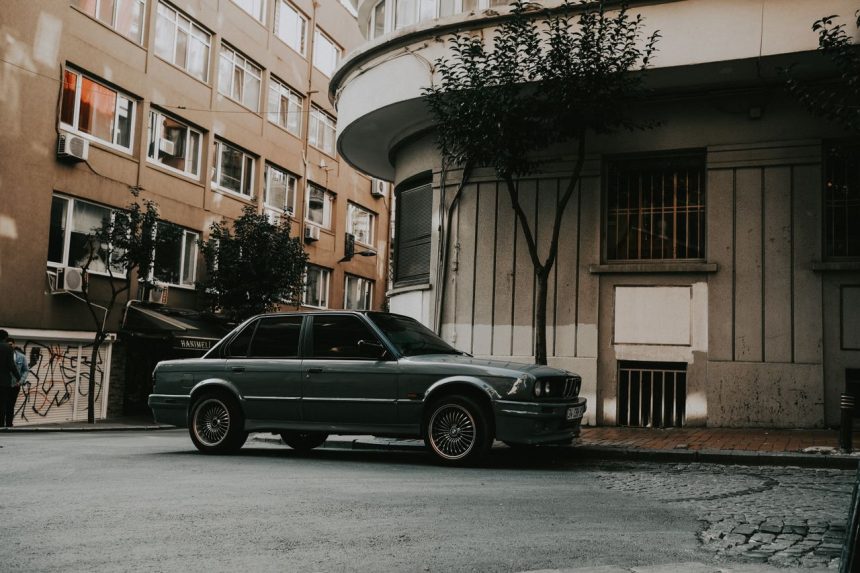
A car showing 200,000 kilometres or more on its odometer can make many buyers uncomfortable. At that mileage, questions about engine wear, transmission problems and expensive repairs are understandable. Some buyers will immediately rule it out, preferring a vehicle with 100,000 kilometres or less.
But is a car with more than 200,000 kilometres necessarily a bad purchase? Not always. A well-maintained vehicle can remain reliable beyond this mileage, while a neglected car with considerably fewer kilometres may already have serious mechanical problems. The challenge is knowing what to inspect before committing your money.
Does 200,000 kilometres mean the engine is worn out? Not necessarily. Modern engines are designed to cover substantial distances when serviced correctly. Some vehicles reach 300,000 kilometres or more without requiring a complete engine rebuild.
However, higher mileage means components have experienced more wear. Engine seals, bearings, cooling-system parts, belts, hoses and other components may be approaching the point where replacement is necessary.
The engine’s condition depends on how it was used and maintained. A vehicle that regularly covered long highway distances may have experienced less stop-start operation than one used for years in heavy urban traffic. This is why mileage should be treated as an indication of accumulated use, not a final verdict on the vehicle’s condition.

What should you check before buying?
The engine deserves particular attention. Look for oil leaks, unusual knocking sounds, excessive smoke and signs of overheating. Check the oil condition and coolant level, although clean fluids alone do not prove that an engine is healthy.
The transmission is equally important. Automatic gearboxes can be expensive to repair, particularly if servicing has been neglected. During a test drive, watch for delayed engagement, slipping, harsh shifts or unusual noises.
Also inspect the suspension, steering, brakes, wheel bearings and tyres. These components experience regular wear, and replacing several of them shortly after purchase can significantly increase your ownership costs.
A professional pre-purchase inspection should include a diagnostic scan, a check underneath the vehicle and, where appropriate, compression or other engine tests. Do not rely on a brief test drive or the seller’s assurance that everything is working perfectly.
The service history matters
A vehicle with 220,000 kilometres and consistent service records may be a better purchase than one showing 110,000 kilometres with no maintenance history.
Look for evidence of regular oil and filter changes, transmission servicing where required, cooling-system maintenance and replacement of scheduled components. Receipts and workshop records are more useful than a service-book stamp without supporting details.
For imported vehicles in Kenya, check the available import inspection or auction records as well. These can provide useful information about previous condition and recorded mileage, although they should not replace an independent inspection.
Be cautious when a vehicle has unusually low mileage for its age but little supporting documentation. Odometer readings can be altered, and a low figure is not automatically proof of a lightly used car.
Why high-mileage cars can become expensive
The biggest risk is not necessarily engine failure. It is the possibility of several ageing components requiring attention around the same period.
You might buy a vehicle that runs well but soon need to replace suspension components, engine mounts, cooling-system parts, tyres and brake components. If the transmission or turbocharger also develops a problem, the repair bill can quickly exceed the savings made on the purchase price.
This is particularly important when considering premium used vehicles. A high-mileage luxury SUV may look like an attractive bargain, but replacement parts and specialist repairs can remain expensive regardless of how much the vehicle costs to buy. Before purchasing, get estimates for likely repairs and keep a separate maintenance reserve.
Is a high-mileage car worth buying in Kenya?
It can be, especially if the vehicle has a good maintenance history, a sound mechanical condition and a purchase price that reflects its age and mileage.
High-mileage vehicles can suit buyers working with a limited budget, provided they are prepared for maintenance and do not expect the car to operate without repairs. However, if you depend on your vehicle every day and cannot afford unexpected downtime, a newer, lower-mileage unit with a verifiable history may be a safer choice.
The key is to avoid buying based on price alone. A cheap vehicle that immediately requires major repairs can become more expensive than a better-maintained alternative.
So, should you buy one? Yes, but only after establishing what you are buying. A 200,000-kilometre reading should prompt more careful inspection, not automatic rejection. Prioritise maintenance records, mechanical condition, genuine mileage and the cost of any outstanding repairs. If the seller refuses an independent inspection, consider walking away.