

The Kenyan used car import market in 2026 continues to reflect a very grounded reality, buyers are not chasing trends, they are solving daily mobility problems. Unlike markets where branding and luxury appeal dominate decision-making, Kenyan motorists tend to focus on very practical considerations such as fuel consumption, maintenance costs, availability of spare parts, and long-term resale value.
This has created a fairly stable hierarchy in the used import space. While new manufacturers, especially from China, are slowly increasing their presence, the market remains heavily anchored around a few established Japanese brands, with limited but growing contributions from Korean and Chinese alternatives. What stands out is not just which brands are popular, but why they remain popular despite changing global automotive trends.
Toyota continues to dominate Kenya’s used car market in 2026 with a level of consistency that few brands globally can match in a single market. From compact hatchbacks like the Toyota Vitz to sedans such as the Toyota Axio and Premio, and station wagons like the Toyota Fielder, the brand remains deeply embedded in everyday mobility across the country.
The dominance of Toyota is not accidental. It is reinforced by structural advantages that align perfectly with Kenyan road and economic conditions. Spare parts are widely available across nearly every major town, from Nairobi to Eldoret to Mombasa. Mechanics are familiar with nearly all Toyota models, which reduces repair uncertainty and labour costs. At the same time, Toyota vehicles tend to hold their resale value better than most competitors, making them financially safer for buyers who may plan to resell within a few years.
In practical terms, Toyota has become the default reference point in Kenya’s automotive market. When buyers compare other vehicles, they are often measured against equivalent Toyota models in terms of fuel economy, reliability, and maintenance cost.
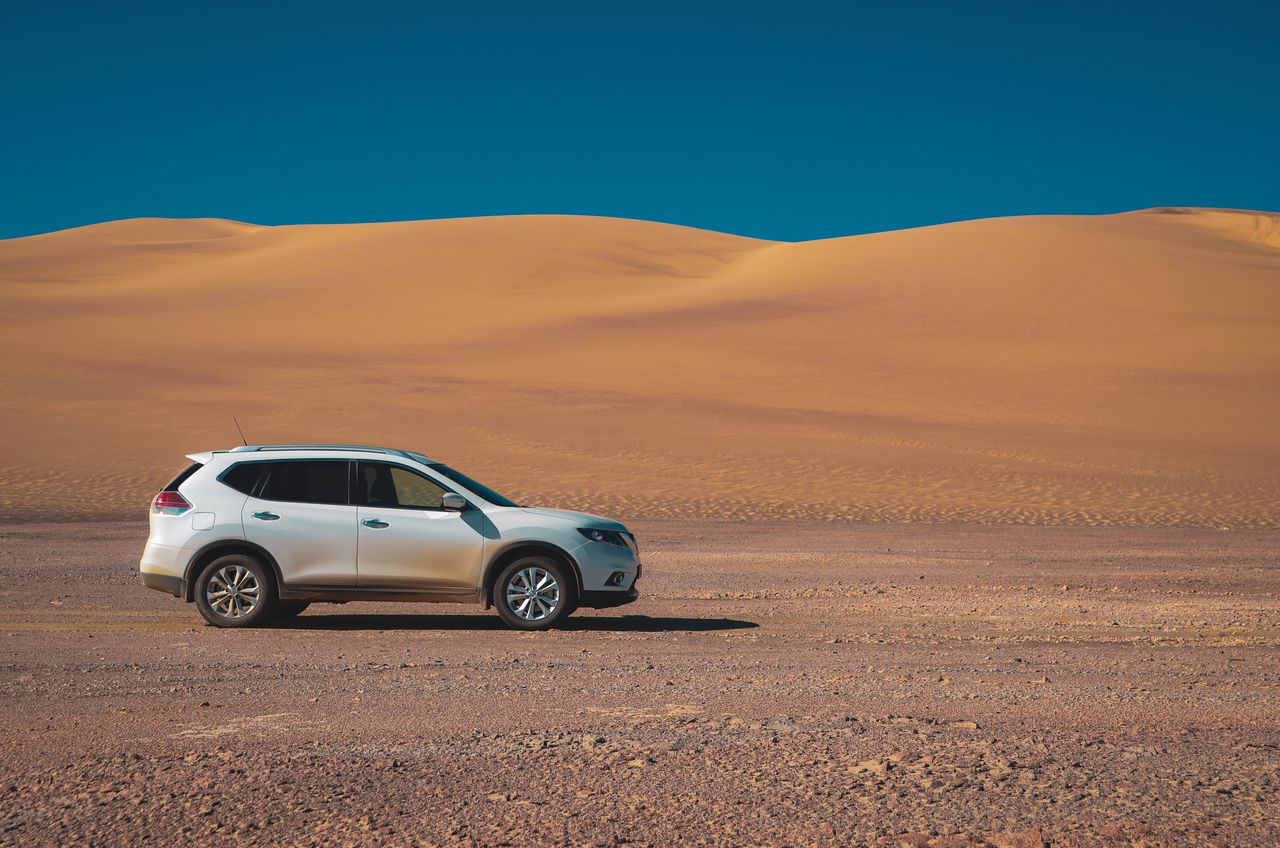
Nissan continues to hold a solid position in Kenya’s used import market, particularly in the more affordable and utility-focused segments. Models such as the Nissan Note, Nissan X-Trail, and Nissan Wingroad are common choices among buyers looking for value at a lower entry cost compared to Toyota equivalents.
One of Nissan’s strongest advantages is affordability. In many cases, Nissan models are priced slightly lower than comparable Toyota vehicles, making them attractive to first-time car buyers and budget-conscious motorists. They also offer comfortable interiors and decent fuel efficiency in their compact models, which makes them suitable for both urban commuting and light family use.
However, Nissan’s market position is somewhat constrained by perceptions around resale value and long-term durability. While many Nissan models perform reliably, the brand does not enjoy the same level of universal trust that Toyota commands in the Kenyan market. This affects resale demand, especially in the second and third ownership cycles.
Mazda has steadily grown its presence in Kenya over the past decade, especially among younger, urban-based professionals. Models such as the Mazda Demio and Mazda Axela have become increasingly visible on Nairobi roads, largely due to their blend of fuel efficiency, modern design, and relatively engaging driving experience.
What differentiates Mazda in the Kenyan market is not just affordability, but perception. Many drivers see Mazda as a more stylish and refined alternative to traditional economy brands. The vehicles are often praised for their smooth handling and efficient fuel consumption, particularly in the compact hatchback category.
Despite this growth, Mazda still faces some practical limitations. Spare parts, while available, are not as widespread or as cheap as those for Toyota or Nissan. This can slightly increase maintenance complexity, particularly outside major urban centres. Nevertheless, Mazda continues to gain ground steadily among buyers who want something slightly different from the traditional Toyota-Nissan dominance.
Honda maintains a smaller but loyal customer base in Kenya’s used car market. Models such as the Honda Fit and Honda Vezel are particularly popular among buyers who prioritise fuel efficiency, smooth driving performance, and refined engineering.
Honda vehicles are generally regarded as well-built, with strong engines and excellent fuel economy. The Honda Fit, in particular, has become a preferred option for urban drivers who want a compact, efficient vehicle for daily commuting.
However, Honda’s market penetration remains limited compared to Toyota and Nissan. The main reasons include relatively higher maintenance costs and fewer mechanics with deep specialization in Honda systems. This creates a perception of higher ownership complexity, even if the vehicles themselves are reliable. As a result, Honda tends to attract more informed or experience-driven buyers rather than mass-market demand.
Subaru occupies a unique position in the Kenyan automotive market. It is not a volume leader, but it enjoys a strong identity among performance-oriented drivers and enthusiasts. Models such as the Subaru Forester and Subaru Impreza are widely recognized for their power and stability, particularly on rough or uneven terrain.
The brand’s all-wheel-drive system gives it a clear advantage in handling and road stability, which makes it appealing for drivers who frequently travel outside urban centres. Subaru vehicles are often associated with durability in challenging driving conditions.
However, this performance comes at a cost. Fuel consumption is generally higher compared to more economy-focused brands, and maintenance costs can also be relatively expensive. This makes Subaru less of a practical everyday choice for the average Kenyan buyer, and more of a lifestyle or preference-based decision.
Chinese automotive brands such as Changan, Geely, Haval, and BYD are becoming increasingly visible in Kenya’s broader automotive landscape in 2026. While their strongest presence is still in the new car segment, their influence is gradually extending into the used market.
These brands are gaining attention due to their competitive pricing, modern interior features, and improved design quality compared to earlier generations of Chinese vehicles. In many cases, they offer more advanced technology features at a lower price point than traditional Japanese or European competitors.
However, trust remains the biggest barrier to wider adoption in the used import space. Kenyan buyers are still cautious about long-term reliability, spare part availability, and resale value. These concerns mean that while Chinese brands are growing in visibility, they have not yet achieved the level of market dominance seen with Japanese brands. Even so, their increasing presence at major automotive exhibitions and dealerships suggests a gradual shift in perception that may reshape the market in the coming years.
Across all brands, the Kenyan used car market continues to be shaped by a few consistent and deeply practical considerations. Fuel economy remains a major factor, especially in an environment where fuel prices directly affect daily mobility costs. Maintenance affordability is equally important, with buyers prioritising vehicles that can be repaired quickly and cheaply.
Spare part availability also plays a critical role. A car may perform well technically, but if parts are difficult to source, it quickly loses appeal in the Kenyan market. Finally, resale value continues to influence purchasing decisions, with buyers preferring brands that retain value over time, particularly Toyota.
The Kenyan used car import market in 2026 remains firmly rooted in practicality rather than prestige. While new brands continue to enter the market and consumer preferences slowly evolve, the dominance of Toyota remains firmly intact, supported by strong positions from Nissan, Mazda, and Honda.
What becomes clear is that success in the Kenyan automotive market is not defined by innovation alone, but by how well a vehicle aligns with everyday realities such as maintenance, affordability, and durability. For most Kenyan buyers, the ideal car is not necessarily the most advanced or the most luxurious, it is the one that delivers consistent value, remains affordable to maintain, and can be easily resold when the time comes.