

Few things are more frustrating than turning the key or pressing the start button and finding that your car will not start. If this keeps happening even after replacing or charging the battery, the problem may not be the battery at all.
A car battery can go flat for several reasons, including a failing alternator, an electrical drain when the vehicle is parked, loose connections or a battery that has reached the end of its useful life. The important thing is to identify what is causing the problem rather than repeatedly charging or replacing the battery.
One common cause is leaving electrical accessories running. Interior lights, headlights, a boot light or an aftermarket radio can continue drawing power after the engine is switched off. Some modern vehicles also have electronic systems that remain active for a while after parking. These normally shut down automatically, but a faulty component or incorrectly installed accessory can continue consuming power overnight.
If the car starts normally one evening but struggles the following morning, an electrical drain is worth investigating. However, the battery could also be weak or unable to hold its charge, so the symptoms alone do not confirm the cause.
Another possibility is a faulty alternator. The alternator supplies electricity while the engine runs and recharges the battery after starting. If it is not charging properly, the battery gradually loses power as the car is driven. You may notice dim headlights, flickering dashboard lights, warning lights or difficulty starting after a journey. A loose or slipping alternator belt can also affect charging.
Short journeys can make matters worse. Starting the engine uses a substantial amount of battery power, and the alternator needs time to replace it. If you regularly drive only a few kilometres, particularly in Nairobi traffic with frequent stops, the battery may not recover all the energy used during starting. Over time, this can leave it chronically undercharged.
The battery itself may simply be old. Most conventional car batteries last a few years, although their lifespan depends on the type, usage, charging system and operating conditions. Repeated deep discharging can shorten that lifespan. If a fully charged battery loses power quickly or fails a proper battery test, replacement may be necessary.
Connections are another overlooked cause. Loose or corroded battery terminals can interfere with the flow of electricity, making the car struggle to start even when the battery still holds a reasonable charge. A mechanic should inspect the terminals, cables and earthing connections before recommending a new battery.
Modern vehicles can also develop electrical faults that are harder to identify. An alarm system, dash camera, tracking device, faulty control module or poorly installed accessory may continue drawing power when the car is parked. In such cases, a technician may need to measure the vehicle’s current draw after its electronic systems have gone into sleep mode.
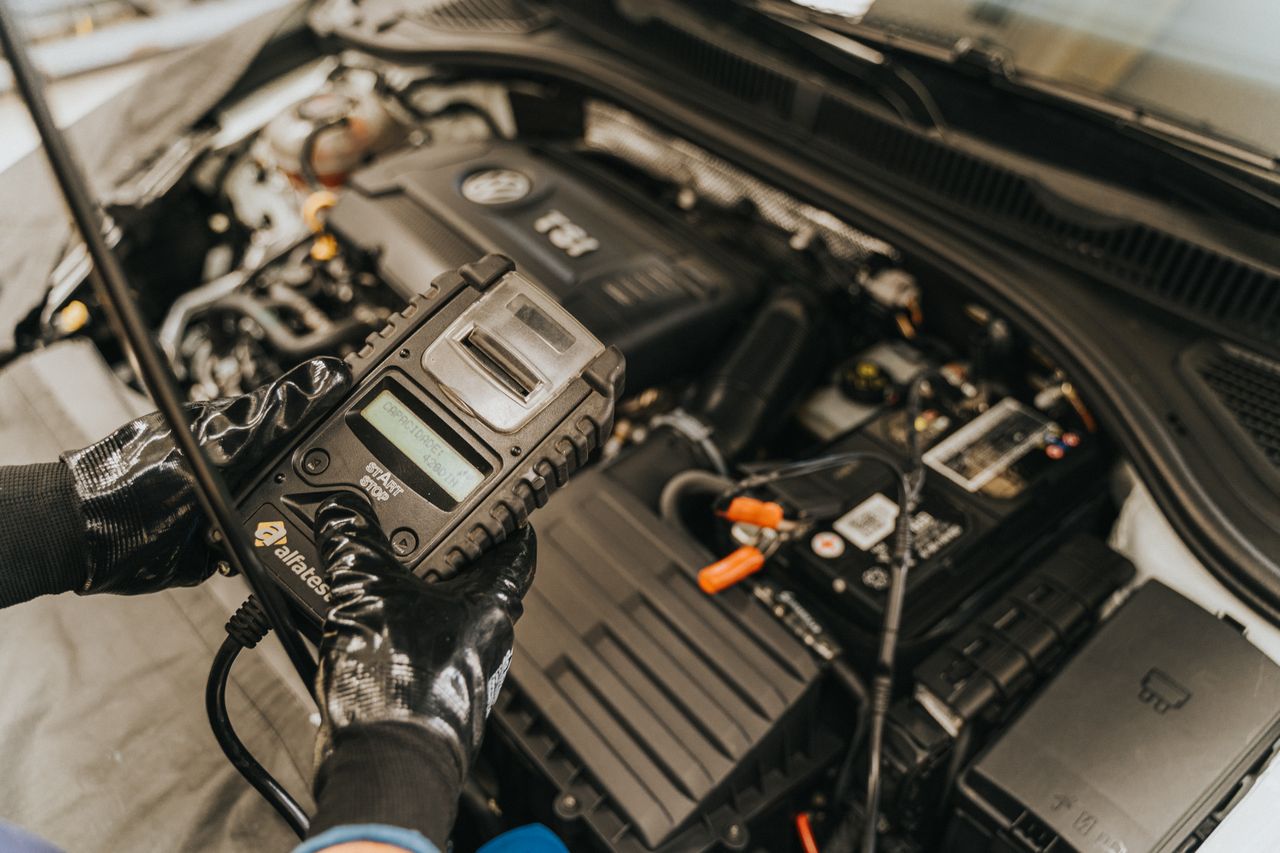
So, what should you do when your battery keeps going flat? Start with a battery and charging-system test. A mechanic can check the battery’s condition, measure alternator output and investigate whether electricity is being drawn when the vehicle is switched off. This is more useful than simply jump-starting the car and hoping the problem disappears.
Avoid repeatedly jump-starting a vehicle without finding the cause, and never disconnect the battery while the engine is running to test the alternator. That old method can damage sensitive vehicle electronics. If the battery is swollen, leaking or unusually hot, do not attempt to charge it yourself. Have it assessed safely by a professional.
The key is to remember that a flat battery is a symptom, not necessarily the fault itself. Replacing a good battery will not solve a faulty alternator or an electrical drain, and a new battery may eventually suffer the same problem.
If your car keeps leaving you stranded, have the battery, charging system and electrical connections checked together. Finding the real cause early can save you money, frustration and an unexpected breakdown.