

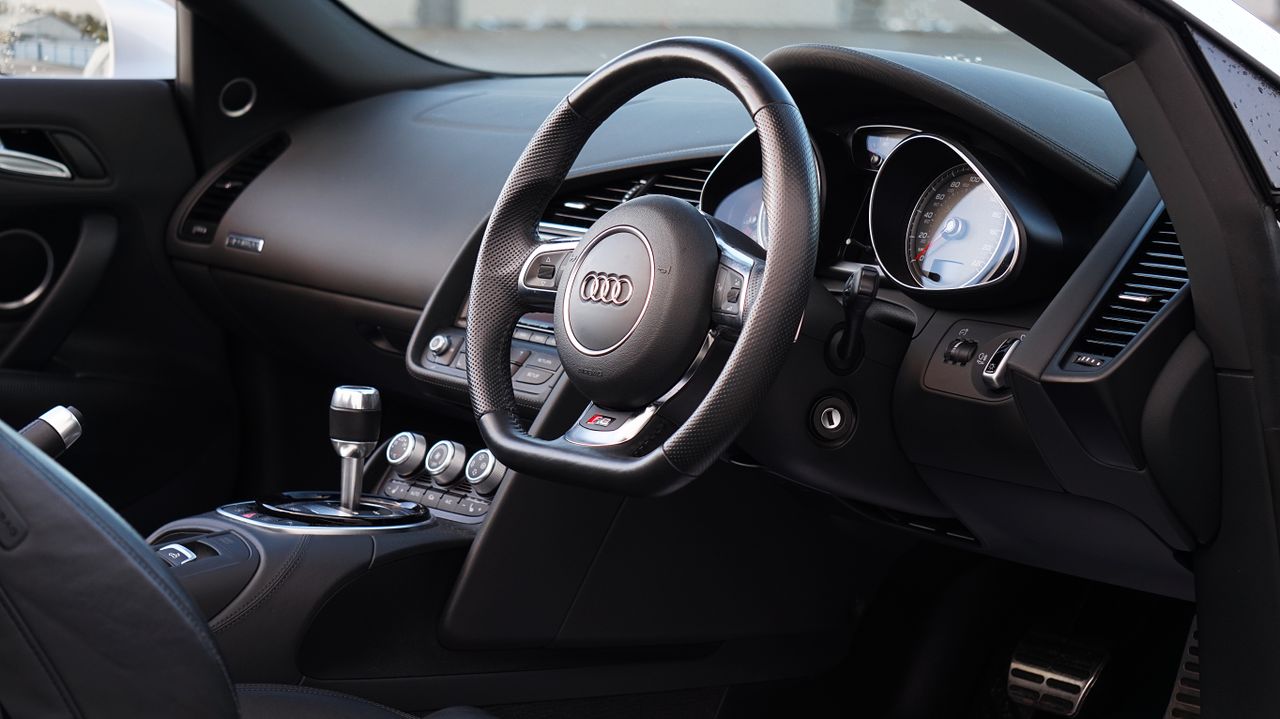
You don’t usually think about how much effort it takes to turn a steering wheel until suddenly it takes more effort than it used to.
Maybe the steering feels heavy when you’re parking. Perhaps the car is harder to turn at low speeds, or the steering wheel no longer feels as light and responsive as it normally does. Sometimes the change happens gradually. Other times, the steering becomes noticeably heavy almost overnight.
Heavy steering isn’t always a serious problem, but it shouldn’t be ignored either. The steering system is one of the most important parts of the car, and a change in how it feels can be an early warning that something needs attention.
Start With the Tyres
Before blaming the steering system, check the tyres. Underinflated tyres have a larger contact patch with the road, which increases rolling resistance and can make the steering feel noticeably heavier, particularly at low speeds.
This is one of the simplest things to check, and it is particularly relevant if you haven’t checked your tyre pressures recently.
Don’t simply inflate the tyres as much as possible to make the steering lighter. Use the pressure recommended by the vehicle manufacturer, usually found on the driver’s door frame, fuel-filler area or owner’s manual. Uneven tyre pressure from one side to another can also affect how the car feels and should be corrected.
Power Steering Could Be the Problem
Many older vehicles use hydraulic power steering. The system uses a pump and hydraulic fluid to reduce the effort required to turn the steering wheel. If the fluid level is low, there is a leak, the pump is failing or the drive belt is damaged or slipping, the steering assistance can become weaker. You may notice the steering becoming especially heavy when manoeuvring at low speed.
If your vehicle uses hydraulic power steering and you suddenly notice heavier steering, check for signs of fluid leakage and have the system inspected rather than simply topping up the fluid repeatedly. A fluid level that keeps dropping usually means there is a problem somewhere in the system.
Some Cars Use Electric Power Steering
Newer vehicles increasingly use electric power steering instead of a hydraulic pump. There is no conventional power-steering fluid reservoir to check, because an electric motor provides the assistance.
If the electric power-steering system develops a fault, the steering can suddenly become much heavier. A warning light may also appear on the dashboard.
This is one situation where you shouldn’t keep driving as though nothing has happened. If the steering becomes unexpectedly heavy and a power-steering warning appears, have the vehicle checked.
Wheel Alignment Can Affect Steering Feel
Incorrect wheel alignment can also make a car feel strange to steer. If the wheels aren’t pointing and tracking as they should, the vehicle may pull to one side, the steering wheel may not sit straight and the car can feel less natural through corners.
Alignment problems can develop after hitting potholes or kerbs, something that is hardly unusual on Kenyan roads. If heavy steering is accompanied by uneven tyre wear or the vehicle pulling to one side, an alignment check is a sensible starting point.
Worn Steering and Suspension Components Matter
Your steering doesn’t operate in isolation. Components such as tie rods, ball joints, steering racks, bushes and other suspension parts all contribute to how the vehicle responds to steering inputs.
As these components wear, you may notice more than just heavy steering. There could be knocking noises, looseness in the steering, uneven tyre wear or a feeling that the car isn’t tracking properly. A mechanic should inspect the system rather than simply adjusting one component and sending you away.
A Problem With the Steering Rack Can Be More Serious
The steering rack is a major component of the steering system, and problems with it can affect how easily the vehicle turns.
A damaged or worn rack may produce stiffness, unusual noises, leaks in hydraulic systems or inconsistent steering feel.
This isn’t something you want to diagnose by guessing.
If the steering has become progressively heavier, feels notchy or stiff in certain positions, or behaves differently when turning left and right, get it properly inspected.
Does the Steering Feel Heavy Only When Parking?
This is an important distinction. Some cars naturally have heavier steering at very low speeds than others. If the steering becomes light once the car starts moving, that may simply be part of how the vehicle is designed.
But if a car that previously steered easily suddenly becomes difficult to turn while parking, something has probably changed.
Pay attention to whether the steering is heavy only at low speeds or throughout the entire driving range. That information can help a mechanic narrow down the cause.
Don’t Forget the Battery and Charging System
This is particularly relevant to cars with electric power steering. Electric steering assistance depends on the vehicle’s electrical system. A weak battery or charging-system problem can potentially contribute to warning lights or reduced electrical assistance in some vehicles.
If heavy steering appears together with dimming lights, difficulty starting the car or other electrical symptoms, don’t look at the steering system in isolation. The charging system may also need to be checked.
When Should You Stop Driving?
If the steering suddenly becomes extremely heavy, feels inconsistent, becomes difficult to control or is accompanied by unusual noises, warning lights or other serious symptoms, don’t treat it as a minor inconvenience.
A steering problem can affect your ability to control the vehicle, particularly during an emergency manoeuvre. Slow down and have the car inspected as soon as possible. If steering control is seriously compromised, it’s safer to have the vehicle recovered rather than driving it to a workshop.
So, to windup, heavy steering can have a surprisingly simple explanation. Incorrect tyre pressure may be enough to change how the car feels, while alignment or suspension problems can also contribute. But a sudden change in steering effort can also indicate a problem with the power-steering system, steering rack or another important component.
The important thing is to notice when the steering became heavy and what else changed at the same time. If the tyres are correctly inflated but the steering still feels unusually heavy, don’t simply get used to it. Your steering should give you confidence that the car will go where you want it to. If that confidence suddenly disappears, it’s time to find out why.