


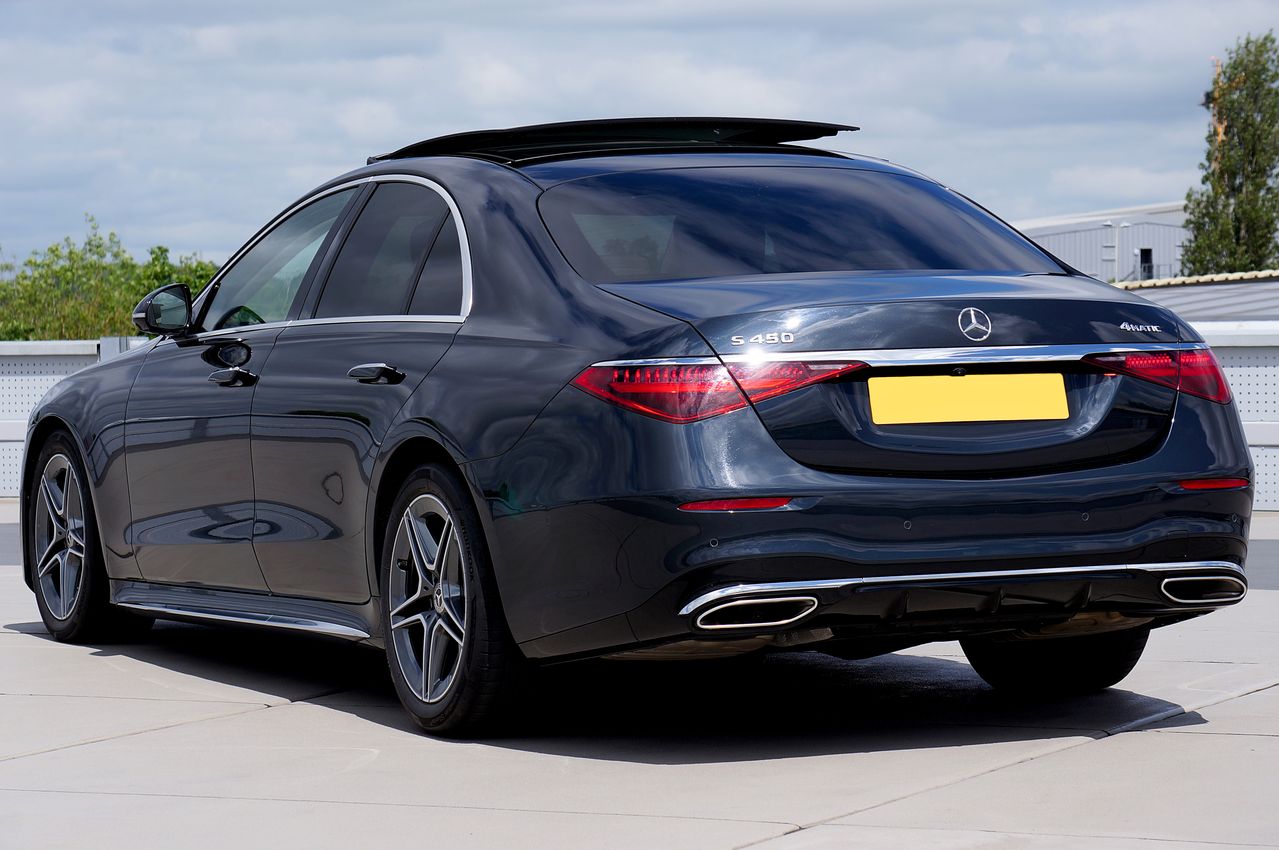
A sunroof can make an ordinary car feel a little more special. It brings in natural light, makes the cabin feel more open and lets you enjoy fresh air without lowering the side windows. For some buyers, it is one of those features that makes a particular car more attractive than an otherwise similar model.
But when buying a used car in Kenya, is a sunroof worth paying extra for, or is it another component that could eventually cost you money? The answer depends on how much you value the feature and, more importantly, the condition of the vehicle.
One of the biggest advantages of a sunroof is the sense of space it creates. Even when it is closed, the glass can make the cabin feel brighter, particularly in cars with smaller windows or darker interiors. On a cool morning or during a pleasant evening drive, opening it can also provide fresh air without fully opening the side windows.
However, a sunroof is not essential for everyday driving. Kenya’s climate varies considerably, and while fresh air can be enjoyable, strong sunshine can make a glass roof less comfortable if the vehicle’s sunshade is inadequate. Air conditioning remains important, especially when driving in hot conditions or sitting in traffic.
The bigger consideration is maintenance. A sunroof has moving parts, seals and drainage channels designed to manage water. Over time, seals can deteriorate, drainage channels can become blocked, and mechanical components can wear out. If water cannot drain properly, it may enter the cabin, leaving damp carpets, a musty smell or water stains around the roof lining.
This is worth considering in Kenya, where heavy rain can expose weaknesses that may not be obvious during a short inspection. Water entering the cabin can also damage electrical components, particularly if it reaches wiring or control modules.
Repair costs vary depending on the vehicle. A blocked drain may be relatively straightforward to address, while a damaged mechanism, broken glass or persistent leak can be considerably more expensive. Parts availability also differs between models, so it is sensible to establish whether a specialist can service the sunroof before buying an unfamiliar import.
Another issue is how the vehicle has been maintained. A sunroof that opens smoothly and closes securely is encouraging, but it does not guarantee that the drainage system is clear or that the seals are watertight.
Before buying, operate the sunroof through its full range of movement. Listen for grinding, clicking or uneven movement, and check for cracks, damaged seals, water stains and dampness around the headliner. Inspect the carpets and footwells for signs of moisture. If possible, have a qualified mechanic or sunroof specialist inspect the drainage system and check for leaks.
You should also remember that a panoramic roof and a conventional sunroof are not necessarily the same in terms of repair complexity or cost. Larger glass panels and more elaborate mechanisms can make some repairs more expensive, although the actual design and condition matter more than the name.
There is also the question of resale. A sunroof may make a car more attractive to some buyers, particularly on higher-specification SUVs and executive models. But it will not automatically increase resale value enough to recover the extra money you paid. Buyers may be more concerned about mechanical condition, fuel consumption, service history and overall reliability.
So, should you buy a car with a sunroof? If you enjoy the feature and find a well-maintained car with a properly functioning system, there is no reason to avoid it. Just treat it as an additional feature to inspect, not a reason to overlook other problems. If you rarely expect to use it, a comparable car without a sunroof may be the more sensible purchase, particularly if it is cheaper or in better condition.