


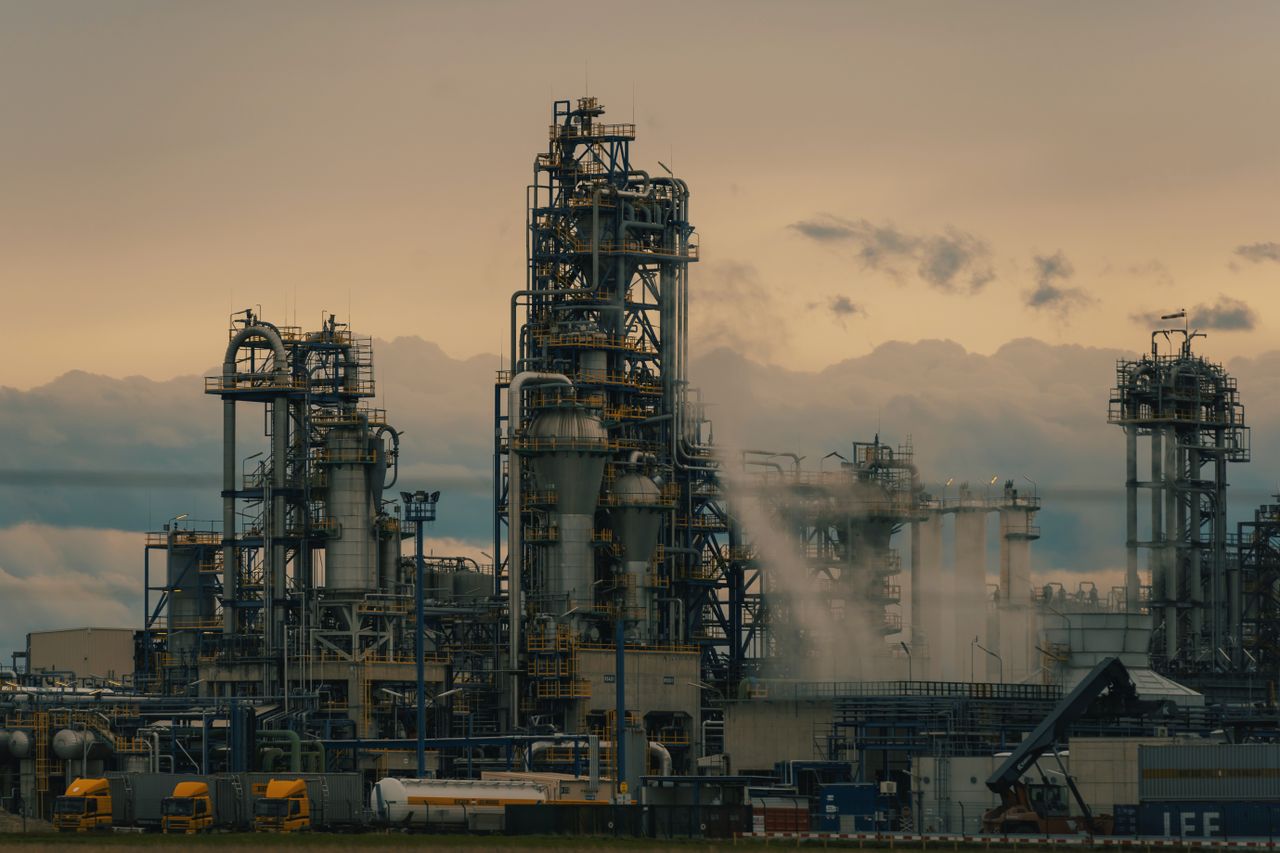
Kenya is taking a major step into a different part of the oil business. Today, President William Ruto and Nigerian businessman Aliko Dangote are marking the groundbreaking of a planned $16 billion oil refinery in Lamu, a project designed to process up to 700,000 barrels of crude oil per day when fully operational. Dangote says construction is expected to be completed around 2030.
For the average Kenyan driver, however, the obvious question is not how many barrels the refinery can process. It is much simpler: Will it eventually make fuel cheaper? The answer is not straightforward.
Kenya currently relies heavily on imported refined petroleum products. Petrol and diesel prices are therefore influenced by international crude-oil prices, refining costs, shipping, exchange rates, taxes and other charges along the supply chain.
A refinery in Kenya could change part of that equation by allowing crude oil to be processed locally rather than importing all the finished petroleum products. That could strengthen Kenya’s security of supply and reduce some dependence on overseas refining capacity.
But local refining does not automatically mean cheap fuel. The refinery will still need crude oil, and this is one of the biggest questions surrounding the Lamu project.
Kenya’s own crude production is currently nowhere near enough to supply a refinery capable of processing 700,000 barrels every day. Production from the South Lokichar fields in Turkana is expected to increase in the coming years, but even projected output would represent only a fraction of the refinery’s potential requirements. The facility would therefore have to rely substantially on crude sourced from outside Kenya.
That means international oil prices will still matter. If crude oil prices rise sharply, a Kenyan refinery would not be immune. The refinery can change where the crude is processed, but it cannot make the underlying commodity free.
There is another important distinction. 700,000 barrels per day does not mean 700,000 barrels of petrol. A refinery processes crude oil into a range of products, including petrol, diesel, jet fuel and other petroleum products. The exact quantities depend on the type of crude and the technology used in the refinery. The 700,000-barrel figure refers to the amount of crude the plant is designed to process.
Nevertheless, the proposed scale is enormous. East Africa’s petroleum demand is estimated at roughly 450,000 barrels per day, meaning a fully operational 700,000-barrel-per-day refinery would have capacity beyond Kenya’s domestic requirements and would be designed to serve a much wider regional market.
That is where the project becomes particularly interesting for motorists. Kenya could potentially become a regional hub for refined petroleum products, supplying neighbouring countries as well as its own market.
For transport businesses, this could eventually have implications for fuel availability and supply reliability. A more diversified regional supply system could reduce the vulnerability that comes when countries depend heavily on imported finished fuel.
Construction is expected to take several years, and the plant will need enormous supporting infrastructure, reliable crude supplies, water, electricity, storage and highly specialised technical expertise before it can begin operating commercially. The planned project includes substantial power and water infrastructure to support the refinery.
There is also a legal issue that should not be ignored. A Kenyan court has ordered the preservation of the status quo on part of the land earmarked for the project following a challenge by local residents over land ownership and related concerns.
For Kenya’s automotive sector, however, the potential significance is much bigger than the price displayed on a petrol station sign. Petroleum is deeply connected to transport costs.
When diesel becomes more expensive, the cost of operating trucks, buses and other commercial vehicles rises. Those costs can eventually find their way into the prices of food, construction materials and other goods transported around the country.
A more secure supply of refined petroleum products could therefore have effects beyond private motorists. It could influence logistics, public transport, freight and the wider cost of moving goods around East Africa.
There is also a potentially important industrial story behind the refinery. The project is expected to anchor a broader petrochemical and industrial complex in Lamu, with the government projecting tens of thousands of jobs and significant investment around the development. If successfully completed, Lamu could therefore become much more than a place where fuel is refined.
But for motorists, patience will be necessary. The refinery will not protect Kenya from every international oil shock. It will not eliminate taxes on fuel. It will not remove the cost of transporting petroleum or guarantee that every litre sold in Kenya will be cheaper.
What it could do is give Kenya and the wider region more control over an important part of the fuel supply chain. And that may ultimately be just as important as the price of a litre.