

Kenya’s motor industry is entering an interesting phase. For years, the easiest way for many Kenyans to get an affordable car has been to import a used vehicle, particularly from Japan. At the same time, the government has been trying to build a stronger local automotive industry, with more vehicles assembled in Kenya and more components produced within the region. That push has now run into a regional disagreement.
Kenya is resisting a decision by the East African Community (EAC) to delay implementation of new regulations governing the assembly and manufacture of motor vehicles and motorcycles. The regulations were originally scheduled to take effect on July 1, 2026, but the EAC has now deferred implementation to July 1, 2027. Kenya says it is ready to proceed and intends to raise the matter with the EAC Council of Ministers.
For someone simply looking for a Toyota, Mazda or Isuzu, this might sound like a story about government policy that has little to do with buying a car. In reality, it could eventually influence which vehicles are assembled in Kenya, how much local content goes into them and, over time, the balance between locally assembled vehicles and imported cars.
Why Is Kenya Pushing Local Assembly?
Kenya has been trying for years to develop a stronger automotive manufacturing industry rather than relying so heavily on imported finished vehicles. The thinking is fairly straightforward: if more vehicles are assembled locally, more of the money spent on vehicles can circulate within the Kenyan economy through manufacturing, jobs, suppliers, logistics and related services.
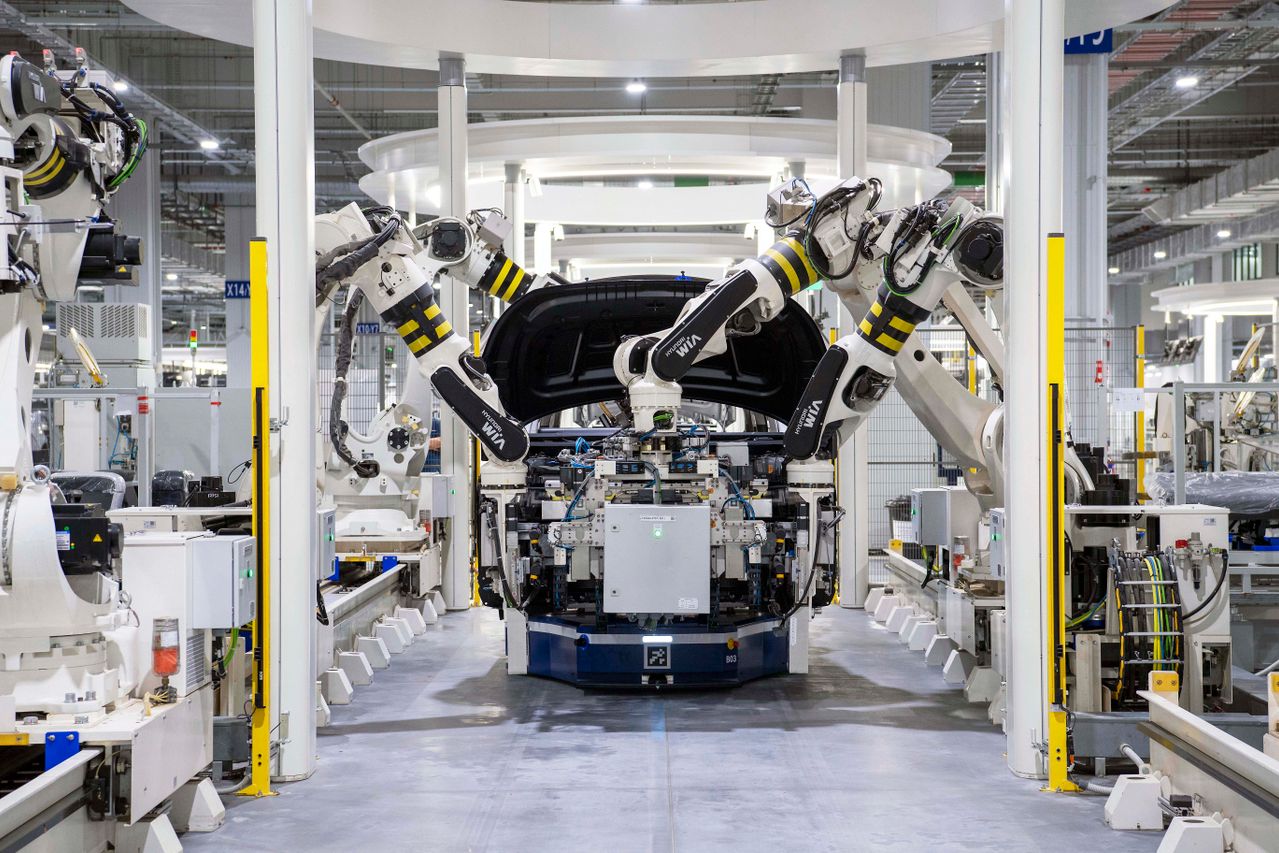
There has already been movement in that direction. Toyota’s global manufacturing information now lists Kenya Vehicle Manufacturers (KVM) in Thika as a Toyota production facility, with the Hiace being assembled there, while Associated Vehicle Assemblers (AVA) continues to assemble several Toyota models including the Land Cruiser, Hilux, Hiace and Fortuner.

Isuzu also has an established assembly operation in Kenya, so this isn’t simply a government proposal sitting on paper. There is already an automotive manufacturing base that the new rules are intended to strengthen.
What Are the New EAC Rules Actually Trying to Do?
The EAC Assembling and Manufacturing of Products Regulations, 2025 are designed to create a common framework for assembly and manufacturing across the region. The regulations recognise different levels of assembly, with higher levels requiring more substantial local work, value addition, technology transfer and use of local content. That distinction is important.
Local assembly doesn’t necessarily mean a vehicle is manufactured entirely from Kenyan-made parts. Vehicles can arrive in completely knocked-down or other forms and undergo different levels of assembly locally. The longer-term objective is to increase the amount of work, components and value added within the EAC rather than simply putting together imported kits. The regulations were therefore intended to give manufacturers a clearer regional framework while encouraging the development of local suppliers.
Why Has Implementation Been Delayed?
The problem is that the EAC countries aren’t at the same stage of developing their local automotive industries.
According to the latest reporting, Uganda said it was not ready for implementation because of limited availability of locally produced parts under the local-content schedule. Rwanda and Burundi also indicated that they needed more time for consultations and sensitisation. Tanzania, on the other hand, said it was ready to implement the rules and warned that further postponement could undermine regional industrialisation.
The EAC therefore moved the implementation date from July 2026 to July 2027, partly to allow time for countries to identify inputs and raw materials that aren’t currently available within the region and to establish a regional duty-remission framework.
Kenya’s position is that the industry has already had considerable time to adjust. Nairobi has argued that previous postponements of localisation programmes have already provided transition time and that remaining operational problems can be addressed while implementation is underway. That’s why Kenya’s decision to push ahead is significant.
What Does This Mean for Someone Buying a Car?
Probably not much immediately. If you’re currently shopping for a used Toyota Axio, Mazda Demio or Nissan Note, these regulations aren’t suddenly going to make your preferred Japanese import disappear from the market. Kenya’s enormous used-car import market will remain important for years. The question is what happens over time.
If local assembly becomes more competitive and manufacturers increase production in Kenya, buyers could eventually have more locally assembled alternatives available. That could be particularly relevant for commercial vehicles, pickups, vans and fleet purchases, where manufacturers can achieve economies of scale more easily than with niche passenger cars.
It could also change the conversation around buying a new vehicle. A Kenyan-assembled car may offer advantages in terms of warranty support, parts availability and servicing, while imported used cars will continue to compete mainly on their lower upfront purchase prices. In other words, this isn’t necessarily about local assembly replacing Japanese imports overnight. It is about gradually changing the structure of the market.
Could Locally Assembled Cars Become Cheaper?
This is where it would be dangerous to make promises. Local assembly can reduce some costs associated with importing fully built vehicles, and government policy can provide incentives for manufacturers and suppliers. But a locally assembled vehicle isn’t automatically cheaper than a used imported one.
A brand-new vehicle still carries the costs of manufacturing, financing, distribution, technology, warranty provision and other expenses. Meanwhile, a Japanese used car can arrive in Kenya after already having gone through several years of depreciation in its original market. That’s a very difficult price gap to eliminate.
What local assembly can potentially offer is a different value proposition: a new vehicle with local support and warranty at a price that becomes increasingly competitive with imported alternatives. Whether that happens on a large scale will depend on production volumes, local supplier development, taxes, financing and the success of the broader automotive policy.
The Bigger Issue Is Local Parts
This may actually be the most important part of the story. You cannot build a genuinely strong automotive industry by assembling vehicles locally while importing almost everything that goes into them. At some point, local manufacturers need a network of companies producing components such as seats, wiring, tyres, glass, batteries, body parts and other components.
The EAC regulations specifically address local content and different levels of manufacturing and assembly, with higher levels involving greater use of locally produced components and technology transfer. That creates opportunities beyond the vehicle assembly plants themselves. If the industry grows, Kenyan companies could increasingly supply components and services to manufacturers.
For the motorist, the long-term benefit could be greater availability of locally supported parts and a stronger ecosystem around vehicle servicing and repairs.
Kenya’s Position Is Worth Watching
There is also a bigger reason this story matters. Kenya and Japan recently signed a KSh22.1 billion financing agreement, including KSh13.1 billion specifically aimed at promoting local motor vehicle assembly as part of Kenya’s automotive policy.
So Kenya’s resistance to delaying the EAC assembly rules isn’t happening in isolation. It forms part of a broader attempt to make automotive manufacturing a more important part of the country’s industrial economy. The question now is whether the policy environment can move faster than the industry itself.
Kenya may be ready to implement the rules, but manufacturers still need suppliers, investment, skilled workers, competitive financing and a market willing to buy the vehicles being assembled.
What should Kenyan buyers expect? Don’t expect your next car purchase to suddenly look completely different because of this week’s development. The more realistic change will happen gradually.
Over the next few years, Kenyan buyers could see more locally assembled models competing alongside Japanese used imports. Commercial vehicles are likely to remain an important part of that transition because businesses place a high value on warranty support, predictable maintenance and vehicle uptime.
For private buyers, the deciding factor will ultimately be price and value. If a locally assembled vehicle can offer the reliability, equipment, financing and after-sales support people want at a price that makes sense, buyers will pay attention. Until then, the Japanese import market will continue doing what it has done for decades: providing Kenyans with a huge range of used vehicles at different price points.