

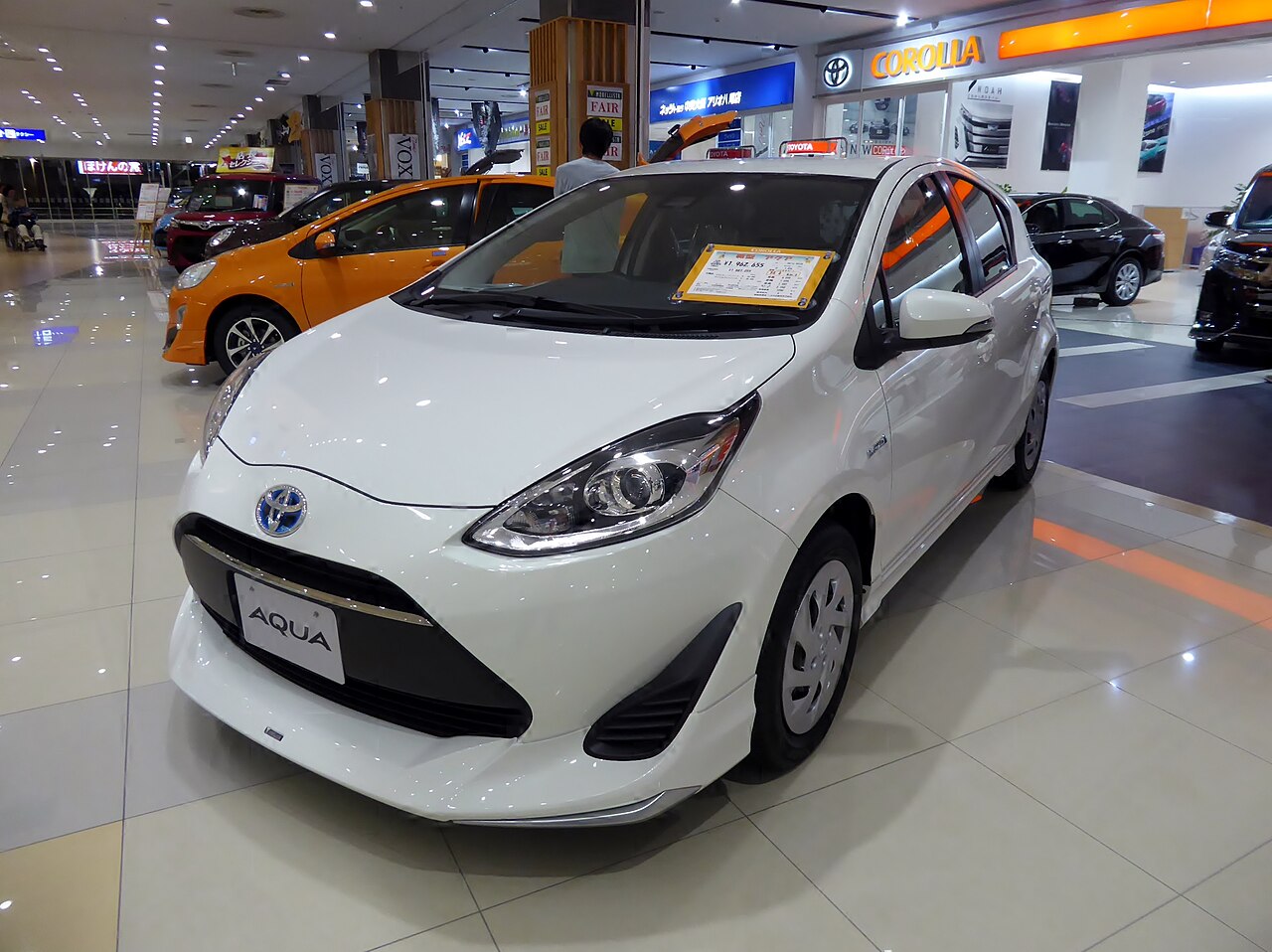
Few cars have changed the way Kenyans think about fuel economy quite like the Toyota Aqua. When the hybrid hatchback first began arriving from Japan, many buyers were skeptical. A battery-powered petrol car sounded expensive to maintain, mechanics were unfamiliar with the technology, and there were concerns about replacing the hybrid battery. Fast forward a few years, and the Aqua has become one of the most common cars on Kenyan roads. It’s a favourite among private owners, ride-hailing drivers and anyone looking to spend less at the fuel station.
But the market has changed. There are now more hybrid options than ever, Chinese electric vehicles are beginning to enter the Kenyan market, and newer imports such as the Nissan Note e-Power, Honda Fit Hybrid and Toyota Yaris Hybrid are giving buyers more choices. So, if you’re shopping for a used car today, is the Toyota Aqua still worth buying in 2026? The short answer is yes, but it depends on what you’re looking for.
If your primary goal is to reduce fuel costs, the Toyota Aqua remains one of the strongest contenders in its price range. Under the bonnet is Toyota’s proven 1.5-litre petrol engine paired with the company’s Hybrid Synergy Drive system. The petrol engine and electric motor work together, automatically switching between power sources depending on driving conditions. You don’t need to plug it in or change your driving habits, the system manages everything for you.
In real-world Kenyan driving, most owners report fuel consumption of around 25 to 30 km/l, although this varies depending on traffic, road conditions, driving style and vehicle maintenance. In busy cities such as Nairobi, where stop-and-go traffic is common, the hybrid system performs particularly well because it can rely more on the electric motor at lower speeds. For motorists who cover long distances every week, those fuel savings can quickly add up.
Toyota’s Hybrid Technology Has Proven Itself
One of the biggest fears surrounding the Aqua used to be the hybrid battery. A decade ago, replacing a hybrid battery sounded both complicated and expensive. Today, that concern carries far less weight.
Thousands of Toyota hybrids have been operating successfully in Kenya for years, and the country’s automotive industry has adapted. Many independent workshops now specialize in hybrid vehicles, replacement battery options have become more accessible, and mechanics are far more familiar with Toyota’s hybrid systems than they were when the Aqua first appeared.
Like any component, hybrid batteries eventually wear out, but they generally last many years when the vehicle has been properly maintained. For most buyers, the condition of the individual car matters far more than simply worrying about the fact that it is a hybrid.
Popularity has its advantages. Because so many Toyota Aquas have been imported into Kenya, spare parts are now widely available through dealerships, independent suppliers and second-hand parts dealers. Routine service items such as filters, brake pads, suspension components and body panels are relatively easy to source compared to some less common imports. That widespread availability also helps keep maintenance costs competitive, making the Aqua one of the more affordable hybrid vehicles to own over the long term.
The Aqua wasn’t designed to be a family SUV or a long-distance cruiser. Its biggest strength is urban driving. The compact size makes it easy to navigate Nairobi’s traffic, squeeze into tight parking spaces and handle crowded shopping centres without much stress. The light steering and smooth hybrid drivetrain make daily commuting comfortable, especially for drivers who spend hours in traffic. If most of your journeys involve commuting to work, school runs or errands around town, few cars in this segment feel as effortless.
That doesn’t mean the Aqua is the right car for everyone. Rear passenger space is adequate rather than generous, particularly for taller adults. The boot is practical for everyday shopping and small luggage, but families travelling with several suitcases may find themselves wishing for more room.
Ground clearance is another consideration. While many owners comfortably use the Aqua on Kenyan roads, rough rural routes, poorly maintained roads and deep potholes require careful driving. Some owners choose to raise the suspension slightly to improve clearance, although any modifications should be done professionally to avoid affecting handling.
If you frequently travel on rough terrain or need extra cargo space, a crossover such as the Toyota Raize or Mazda CX-5 may be a better fit.
How Does It Compare with the Nissan Note e-Power?
One of the Aqua’s biggest rivals today is the Nissan Note e-Power. Both are designed to save fuel, but they achieve that goal in very different ways. The Aqua uses Toyota’s conventional hybrid system, where both the petrol engine and electric motor can drive the wheels depending on driving conditions.
The Nissan Note e-Power, on the other hand, always drives the wheels using its electric motor. The petrol engine acts primarily as a generator to produce electricity rather than directly powering the car. The result is a driving experience that feels more like an electric vehicle while still avoiding the need for external charging.
Choosing between them often comes down to personal preference. Buyers looking for Toyota’s long-established reputation and extensive parts network may lean towards the Aqua, while those who prefer a smoother, more electric-like driving experience may find the Note e-Power more appealing.
As with any used vehicle, condition matters more than the badge on the bonnet. A thorough inspection should include the vehicle’s service history, accident record, hybrid battery health, suspension, tyres and overall maintenance. Imported vehicles should also have their auction history and mileage verified wherever possible. A well-maintained Aqua with slightly higher mileage is often a better purchase than a neglected one showing fewer kilometres on the odometer.
So, is it still worth buying? Absolutely, but with realistic expectations. The Toyota Aqua remains one of Kenya’s best-value hybrid cars because it combines excellent fuel economy, proven reliability, affordable maintenance and strong resale value. Those qualities have not disappeared simply because newer hybrids have entered the market.
What has changed is that buyers now have more alternatives than ever before. That means the Aqua is no longer the only sensible choice, but it is still one of the safest. If your priorities are low running costs, dependable reliability and economical daily commuting, the Toyota Aqua continues to justify its reputation in 2026.
Cars rarely stay relevant for as long as the Toyota Aqua has. Many models shine briefly before fading as newer technology arrives. The Aqua has done the opposite. It has remained popular because it consistently delivers on the things that matter most to everyday motorists: excellent fuel economy, dependable reliability and affordable ownership.
In 2026, those strengths are just as important as they were when the first Aqua landed in Kenya. It may no longer be the newest hybrid on the market, but it is still one of the smartest choices for buyers who want to spend less on fuel without sacrificing peace of mind.
At Iko Gari, we know that choosing the right car isn’t about chasing trends, it’s about finding a vehicle that fits your budget, your lifestyle and your long-term ownership goals. That’s why we go beyond specifications to provide practical, independent advice that helps Kenyan motorists make confident decisions. Because when you know more, you really do buy better.