
Close Menu
Iko Gari
    Facebook LinkedIn WhatsApp YouTube
    Iko Gari
    • Home
    • Car News
    • Buying Guide
    • Maintenance
    • Car Reviews
      • Comparisons
    Facebook LinkedIn WhatsApp YouTube
    Iko Gari
    Home»Car Reviews»Toyota Raize Review in Kenya: Price, Fuel Consumption, Reliability and Common Problems

    Toyota Raize Review in Kenya: Price, Fuel Consumption, Reliability and Common Problems

    By Iko GariJuly 12, 202615 Mins Read
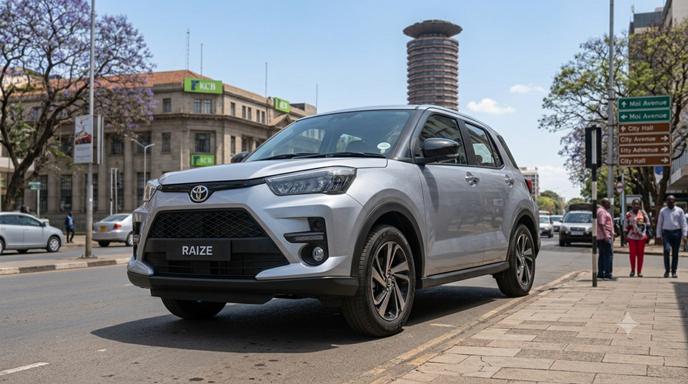
    Toyota Raize
    Share
    Facebook Twitter LinkedIn Email WhatsApp

    The Toyota Raize has quickly become one of the most noticeable compact SUVs on Kenyan roads. It appeals to buyers who want the raised driving position and bold appearance of an SUV without the higher purchase price and running costs associated with larger models such as the Toyota RAV4, Toyota Harrier or Mazda CX-5.

    Its compact size makes it easy to drive through Nairobi traffic and convenient to park, while its small turbocharged engine promises good fuel economy without feeling too weak for everyday use. For a small family or someone upgrading from a hatchback, the Raize appears to offer an attractive balance between practicality, style and affordability.

    However, the Raize is also easy to misunderstand. Its SUV appearance may suggest that it is built for difficult roads, while its 1.0-litre engine may lead some buyers to assume that it is underpowered. In reality, the Raize is primarily a compact urban crossover. It is designed to be economical, practical and easy to drive rather than to compete with larger SUVs in space, comfort or off-road ability.

    This Toyota Raize review looks at its price in Kenya, fuel consumption, performance, reliability, common problems, maintenance costs and suitability for Kenyan roads.

    Iko Gari Big Ad

    Toyota Raize at a Glance

    CategoryToyota Raize
    Typical price in KenyaApproximately KSh 2.1–2.7 million
    Common engine1.0-litre turbocharged petrol
    TransmissionD-CVT automatic
    Realistic fuel consumptionApproximately 13–18 km/l
    Ground clearanceApproximately 185–200 mm
    Seating capacityFive
    Best suited forUrban driving, small families and first-time SUV buyers
    Main concernsFirm ride, limited rear width and the need for proper turbo maintenance

    Toyota Raize Overview

    Toyota introduced the Raize in Japan in 2019 as a compact SUV positioned below larger models such as the RAV4. Although it carries the Toyota badge, the vehicle was developed alongside the Daihatsu Rocky and is based on Daihatsu’s DNGA platform.

    Most Toyota Raize models entering Kenya are used Japanese imports manufactured from 2019 onwards. The most common versions use a 1.0-litre three-cylinder turbocharged petrol engine paired with a D-CVT automatic transmission.

    The Raize is available in several grades, including the X, G and Z. Equipment differs depending on the grade and model year. Higher-specification versions may come with LED headlights, larger alloy wheels, a digital instrument display, adaptive cruise control, parking sensors and additional driver-assistance features.

    At approximately four metres long, the Raize is noticeably smaller than a conventional SUV. That compact size is one of its greatest strengths in crowded towns, narrow parking spaces and heavy traffic. Despite the small exterior, its tall and upright body provides more passenger and luggage space than many buyers expect.

    Toyota Raize Price in Kenya

    As of 2026, the price of a Toyota Raize in Kenya generally ranges from approximately KSh 2.1 million to KSh 2.7 million. The final price depends on the year of manufacture, mileage, vehicle grade, condition, optional features and whether the vehicle is newly imported or locally used.

    Earlier 2019 and 2020 models are likely to be found towards the lower end of the range, while newer, low-mileage Z-grade models may cost considerably more. Exchange rates, import costs and changes in vehicle taxes can also affect prices, meaning the same model may be priced differently within a short period.

    Some dealers offer financing arrangements with relatively low deposits. Buyers should compare the total repayment amount rather than focusing only on the deposit or monthly instalment. Interest, insurance and other financing charges can make the final cost significantly higher than the advertised cash price. The figures above should therefore be treated as a general market guide rather than fixed prices.

    Toyota Raize Engine and Performance

    Toyota Raize Engine

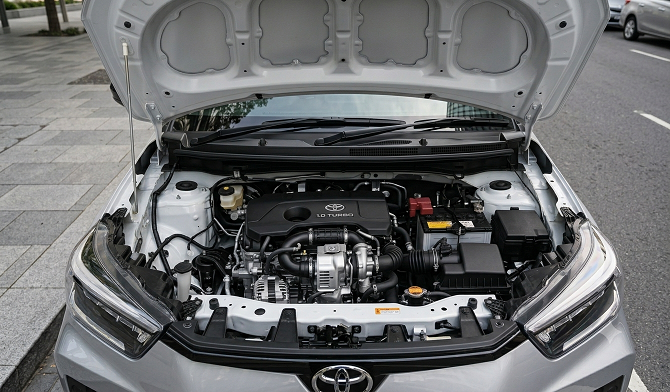
    The Japanese-market Toyota Raize commonly imported into Kenya uses a 1.0-litre three-cylinder turbocharged petrol engine producing approximately 98 horsepower. Power is delivered through a D-CVT automatic transmission.

    A 1.0-litre engine may appear too small for an SUV, especially to buyers accustomed to 1.5-litre and 2.0-litre vehicles. However, the turbocharger helps the engine produce useful power at lower speeds. Since the Raize is also relatively light, it feels more responsive than its engine size suggests.

    In urban traffic, acceleration is confident enough for joining busy roads, changing lanes and moving away from traffic lights. The vehicle feels light and easy to control, which makes it particularly suitable for daily commuting.

    On the highway, the Raize can maintain normal cruising speeds comfortably and has enough power for ordinary overtaking. However, drivers carrying several passengers and heavy luggage may notice that the engine has to work harder on steep climbs or during quick overtaking. It is capable, but it does not provide the effortless acceleration of a larger-engine SUV.

    The D-CVT transmission is designed to improve fuel efficiency while keeping acceleration smooth. During relaxed driving, it generally operates quietly. Under hard acceleration, the engine may become noticeably louder as the transmission holds higher engine speeds. This is common in many CVT-equipped vehicles and does not necessarily indicate a mechanical problem.

    Toyota Raize Fuel Consumption in Kenya

    Fuel economy is one of the strongest reasons to consider the Toyota Raize. Manufacturer figures can exceed 20 kilometres per litre under controlled conditions, but everyday fuel consumption depends on traffic, driving style, road conditions, vehicle load, tyre pressure and maintenance.

    In typical Kenyan driving, owners can reasonably expect around 13–16 km/l in urban traffic, 15–18 km/l in mixed driving and approximately 18–21 km/l on an open highway. Heavy Nairobi traffic, frequent short trips and aggressive acceleration may reduce these figures, while smooth highway driving can produce better results.

    The Raize has a relatively small fuel tank of about 36 litres. Although this means the tank may require more frequent refilling than that of a larger SUV, the efficient engine still provides a useful driving range.

    Drivers should also remember that turbocharged engines respond strongly to driving style. Frequent hard acceleration causes the turbocharger to work harder and increases fuel consumption. A driver who accelerates smoothly and maintains steady speeds is more likely to achieve the vehicle’s fuel-saving potential.

    For someone upgrading from a Toyota Vitz, Mazda Demio or Honda Fit, the Raize may use slightly more fuel depending on the model being replaced. However, it provides greater ground clearance, a higher seating position and SUV styling without the substantial increase in fuel costs associated with larger crossovers.

    Is the Toyota Raize Reliable?

    Toyota Raize Luggage

    The Toyota Raize is generally considered a reliable compact SUV when properly maintained. Its small petrol engine and association with Toyota give many buyers confidence, although it is still relatively new compared with long-established models such as the Toyota Fielder, Toyota Vitz and Toyota Probox.

    The 1.0-litre turbocharged engine should provide dependable service when maintained correctly. However, turbocharged engines operate under greater heat and pressure than comparable naturally aspirated engines, making correct engine oil and timely servicing particularly important.

    The Toyota badge should not be interpreted to mean that the Raize is maintenance-free. Delayed oil changes, unsuitable lubricants and poor servicing can shorten the life of the turbocharger and other engine components.

    Reliability also depends heavily on the condition of the specific vehicle. A low odometer reading does not automatically guarantee that a car is in good condition. Buyers should verify the auction report where available, inspect the service history and arrange an independent mechanical inspection before purchase.

    Toyota Raize Common Problems and Ownership Concerns

    The Toyota Raize does not currently have a widespread reputation for serious mechanical failure. However, buyers should understand several potential concerns before purchasing one.

    Turbocharger Maintenance

    The turbocharger gives the small engine much of its useful performance, but it also makes proper lubrication essential. Delayed oil changes, low-quality oil or the wrong oil specification can contribute to premature turbo wear. Possible warning signs include unusual whining noises, reduced engine power, excessive exhaust smoke, increased oil consumption or an engine warning light. Preventive maintenance is far less expensive than replacing a damaged turbocharger, so owners should follow appropriate service intervals and use the correct engine oil.

    D-CVT Transmission Behaviour

    Drivers unfamiliar with CVT transmissions may initially find the Raize unusual. During hard acceleration, the engine speed can remain high while the vehicle gains speed smoothly instead of changing gears in the way a conventional automatic transmission does.

    This behaviour can be normal. However, strong shuddering, delayed engagement, unusual noises, warning lights or severe vibration should be investigated. The correct transmission fluid is also important. Using unsuitable fluid may affect performance and cause expensive damage. Buyers should avoid workshops that treat all automatic transmissions as though they use the same fluid.

    Firm Ride on Rough Roads

    The Raize has a short wheelbase, and higher grades may use larger wheels with lower-profile tyres. As a result, potholes, uneven roads and rough surfaces can be felt more clearly inside the cabin than they would be in a larger and heavier SUV. The suspension is suitable for normal urban roads, highways and occasional murram roads, but buyers who regularly travel on badly damaged rural roads should test the vehicle on similar surfaces before making a decision.

    Three-Cylinder Engine Vibration

    Three-cylinder engines naturally sound and feel different from four-cylinder engines. A slight vibration at idle may therefore be normal. However, excessive shaking should not be ignored because it may indicate worn engine mounts, ignition problems or poor engine performance. A proper inspection can help distinguish normal engine characteristics from an actual fault.

    Limited Space for Larger Families

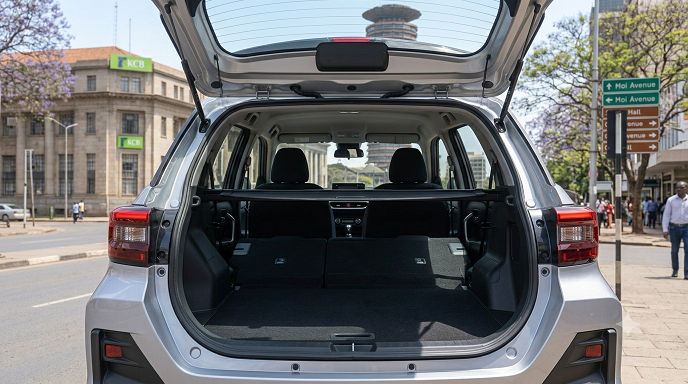
    The Raize makes good use of its compact dimensions, but it remains a small crossover. Four adults can travel comfortably, while carrying three adults in the rear may feel tight, particularly on long journeys. The luggage area is practical for shopping, daily use and ordinary family travel. However, families that regularly carry large suitcases, baby equipment or substantial luggage may find a larger SUV more suitable.

    Cost of Specialised Parts

    Routine service parts should become easier to find as more Raize units enter Kenya. However, specialised components such as LED headlights, cameras, radar sensors, electronic modules, body panels and turbocharger parts may still be expensive. This is particularly important when considering an accident-damaged vehicle. A repair that appears cosmetic may involve costly sensors or electronic components hidden behind the bumper.

    Toyota Raize Ground Clearance and Suitability for Kenyan Roads

    Toyota Raize Ground

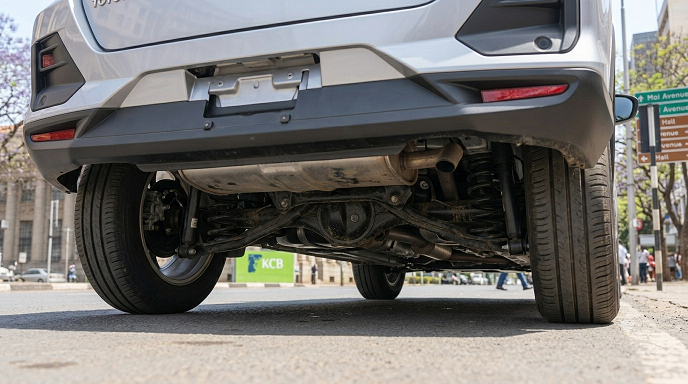
    Depending on the model and market specification, the Toyota Raize offers approximately 185–200 mm of ground clearance. This is considerably better than many hatchbacks and ordinary saloons, making it easier to handle speed bumps, uneven estate roads, shallow potholes and raised road edges. The higher driving position also improves forward visibility in traffic, which is one of the reasons many buyers prefer compact crossovers.

    However, ground clearance alone does not make the Raize an off-road vehicle. Its compact suspension, relatively small wheels and limited underbody protection mean it cannot match larger four-wheel-drive SUVs on difficult terrain.

    The Raize can handle normal murram roads and occasional rough sections when driven carefully. It is not designed for deep mud, severe off-road conditions or repeated use on badly damaged roads. Some versions are available with four-wheel drive, but even these remain primarily urban crossovers rather than serious off-road vehicles.

    Toyota Raize Interior and Comfort

    Toyota Raize Interior

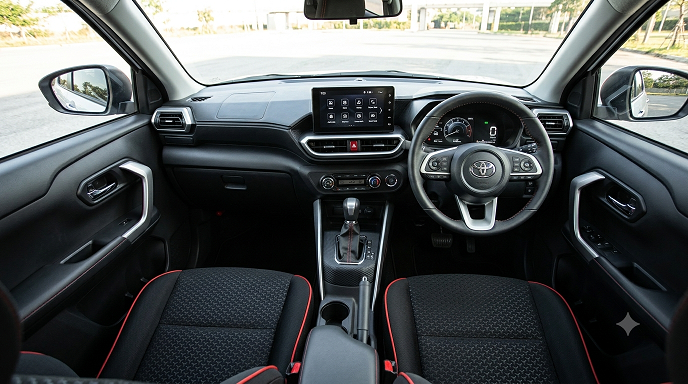
    The Toyota Raize has a practical and modern interior. Its upright body provides good headroom in both rows, while the raised seating position gives the driver a more SUV-like view of the road.

    The dashboard is angled slightly towards the driver, making important controls easy to reach. Depending on the grade, equipment may include a touchscreen infotainment system, digital instrument display, multifunction steering wheel, push-button start, automatic climate control, reverse camera, parking sensors and adaptive cruise control.

    The cabin uses a considerable amount of hard plastic. The materials are practical and should be durable, but buyers expecting the premium feel of a Toyota Harrier may find the interior basic.

    Seat comfort is generally good for daily commuting and ordinary journeys. On longer trips, the narrower cabin and firmer suspension may become more noticeable.

    Toyota Raize Safety Features

    Safety equipment varies depending on the grade, model year and country of origin. Higher-specification models may include autonomous emergency braking, lane-departure warning, adaptive cruise control, blind-spot monitoring, rear cross-traffic alert, vehicle stability control, hill-start assist and multiple airbags.

    Buyers should inspect the actual vehicle rather than assuming that every Raize has the same safety features. Two vehicles manufactured in the same year may have different equipment because of differences in grade and optional packages. It is also important to confirm that cameras, sensors and warning systems are functioning correctly, especially if the vehicle has previously been involved in an accident.

    Toyota Raize Maintenance Costs in Kenya

    Routine maintenance costs should be manageable for a compact Toyota, although the turbocharged engine and D-CVT require more attention than some older naturally aspirated Toyota models.

    Regular servicing should include timely engine-oil and filter changes, inspection of the air filter, spark plugs, brakes, coolant, tyres and transmission fluid. The turbocharger and intake system should also be checked whenever there are unusual noises, reduced performance or increased oil consumption.

    The Raize should not be serviced using a one-size-fits-all approach simply because it has a small engine. Always use the engine-oil grade and transmission fluid recommended for the vehicle.

    Before buying a used unit, arrange a comprehensive inspection that includes computer diagnostics. Modern vehicles can store fault codes even when no warning light is visible on the dashboard.

    Toyota Raize Advantages and Disadvantages

    The Toyota Raize offers attractive SUV styling, good fuel economy, useful ground clearance and a high seating position in a compact package. It is easy to park, responsive in traffic and cheaper to fuel than many larger SUVs. Its modern features and strong Toyota brand recognition also make it appealing to first-time crossover buyers.

    Its limitations mainly come from its size and design. The ride can feel firm on rough roads, rear-seat width is limited, and the interior is functional rather than premium. The turbocharged engine also requires more disciplined maintenance than the simple naturally aspirated engines found in some older Toyota models.

    The Raize is economical and practical, but buyers should not expect the comfort, interior space or rough-road ability of a larger SUV.

    Toyota Raize vs Toyota Rush

    The Toyota Raize and Toyota Rush appeal to buyers looking for relatively affordable SUVs, but they serve different needs. The Raize is smaller, more fuel-efficient and easier to drive in crowded urban areas. Its turbocharged engine gives it responsive performance despite its small size.

    The Toyota Rush is larger and offers seven seats in many versions, making it more suitable for bigger families and buyers who regularly carry additional passengers. However, it generally consumes more fuel and may feel less agile in city traffic.

    The Raize is the better choice when fuel economy, modern features and urban convenience are the priorities. The Rush makes more sense when passenger capacity and additional interior space matter more.

    Who Should Buy the Toyota Raize?

    The Toyota Raize is well suited to urban commuters, small families, first-time SUV buyers and drivers upgrading from hatchbacks such as the Toyota Vitz, Honda Fit or Mazda Demio. It is particularly attractive to buyers who want a raised driving position and SUV appearance without the fuel consumption and maintenance costs of a larger crossover.

    However, it may not be the best choice for large families, drivers who frequently carry heavy loads or buyers who regularly travel on severely damaged roads. Anyone looking for a soft, luxurious ride or serious off-road capability should consider a larger vehicle.

    What to Check Before Buying a Used Toyota Raize

    Before buying, verify the chassis number, auction report and mileage where possible. Inspect the vehicle for accident repairs, repainting and signs of poor maintenance.

    During the test drive, check that the engine accelerates smoothly and that there are no unusual turbocharger noises, excessive smoke or warning lights. The D-CVT should engage smoothly without severe shuddering or delayed response.

    All cameras, parking sensors, driver-assistance systems and electronic features should be tested. The suspension should also be checked for unusual noises, particularly when driving over uneven surfaces.

    Finally, arrange an independent mechanical inspection and computer diagnostic scan before making payment. A clean exterior and low displayed mileage should never replace a proper inspection.

    Is the Toyota Raize Worth Buying in Kenya?

    Yes, the Toyota Raize is worth considering if you want a compact, fuel-efficient and modern crossover for everyday use. It offers many of the qualities Kenyan buyers currently look for: attractive SUV styling, useful ground clearance, manageable fuel consumption, a raised driving position and the familiarity of the Toyota brand.

    Its strongest environment is the city. It is easy to park, responsive in traffic and economical enough for regular commuting. It can also handle highway journeys and ordinary rural roads comfortably when driven within its limits.

    However, buyers should keep their expectations realistic. The Raize is not a smaller Toyota RAV4. It does not provide the same interior space, ride comfort, power or rough-road ability. Its turbocharged engine also requires correct oil, timely servicing and proper maintenance.

    For a small family, urban commuter or driver upgrading from a hatchback, the Toyota Raize offers a convincing balance between economy and SUV practicality. The key is to choose a well-maintained unit, verify its history and arrange an independent inspection before committing your money.

    The purchase price is only one part of vehicle ownership. Fuel consumption, maintenance history, insurance, spare-parts costs and long-term reliability will ultimately determine whether the Raize remains affordable after it leaves the showroom.

    Toyota Raize Review Verdict

    81%
    81%
    Very Good

    The Toyota Raize is a fuel-efficient, stylish and practical compact SUV that is well suited to urban driving in Kenya. It offers useful ground clearance, responsive performance and lower running costs than many larger SUVs. However, its firm ride, limited rear-seat width and need for careful turbo maintenance mean it may not suit large families or frequent rough-road users.

    The Good
    1. Excellent fuel economy for a compact SUV
    2. Responsive 1.0-litre turbocharged engine
    3. Easy to drive and park in urban areas
    4. Useful ground clearance for Kenyan roads
    5. Modern styling and good safety features
    6. Lower running costs than many larger SUVs
    The Bad
    1. Firm ride on rough and uneven roads
    2. Limited rear-seat width for three adults
    3. Turbo engine requires disciplined maintenance
    4. Specialised electronic and body parts may be costly
    5. Not suitable for serious off-road driving
    • Fuel Economy
      8.8
    • Reliability
      8.3
    • Performance
      8.0
    • Comfort
      7.6
    • Interior and Practicality
      7.8
    • Suitability for Kenyan Roads
      8.0
    • Maintenance and Running Costs
      8.1
    • Value for Money
      8.2
    • User Ratings (0 Votes)
      0

    Share. Facebook Twitter LinkedIn Email WhatsApp

    Related Posts

    Toyota Fielder Hybrid Review for Kenyan Buyers

    Iko GariJuly 1, 2026
    Add A Comment
    Leave A Reply Cancel Reply

    Recent Posts

    8.1

    Toyota Raize Review in Kenya: Price, Fuel Consumption, Reliability and Common Problems

    July 12, 2026

    Kenya’s New Vehicle Inspection Rules Explained: What Private Car Owners Need to Know

    July 11, 2026

    Kenya Proposes Annual Vehicle Emissions Tests: What Motorists Need to Know

    July 10, 2026

    Why Cheap Cars Sometimes Become the Most Expensive Cars to Own

    July 10, 2026

    Our Picks

    What You Need to Know as Used Car Prices Soar in Kenya

    June 4, 2025

    Toyota Axio vs Toyota Fielder: Which Is the Better Buy in 2026?

    June 8, 2026

    Things to Check Before Buying a Used Car in Kenya

    May 29, 2026

    Why Toyota Fielder Still Dominates Kenyan Roads

    June 2, 2026
    About Us

    We're a Kenyan automotive platform dedicated to helping people make smarter car-buying decisions through trusted reviews, practical buying guides, ownership advice, and expert insights tailored to the Kenyan market. For inquiries, reach us out on +254729019381 or info@ikogari.com.

    Recent Posts

    8.1

    Toyota Raize Review in Kenya: Price, Fuel Consumption, Reliability and Common Problems

    July 12, 2026

    Kenya’s New Vehicle Inspection Rules Explained: What Private Car Owners Need to Know

    July 11, 2026

    Still Worth Reading

    Growth of EV Options in Kenya

    February 7, 2025

    The shifting change from Toyota to Mazda in Kenya

    March 7, 2025
    Facebook LinkedIn WhatsApp YouTube
    • Home
    • About Iko Gari
    • Terms of Use
    • Privacy Policy
    • Cookie Policy
    • Disclaimer
    Copyright © 2026. All Rights Reserved

    Type above and press Enter to search. Press Esc to cancel.