

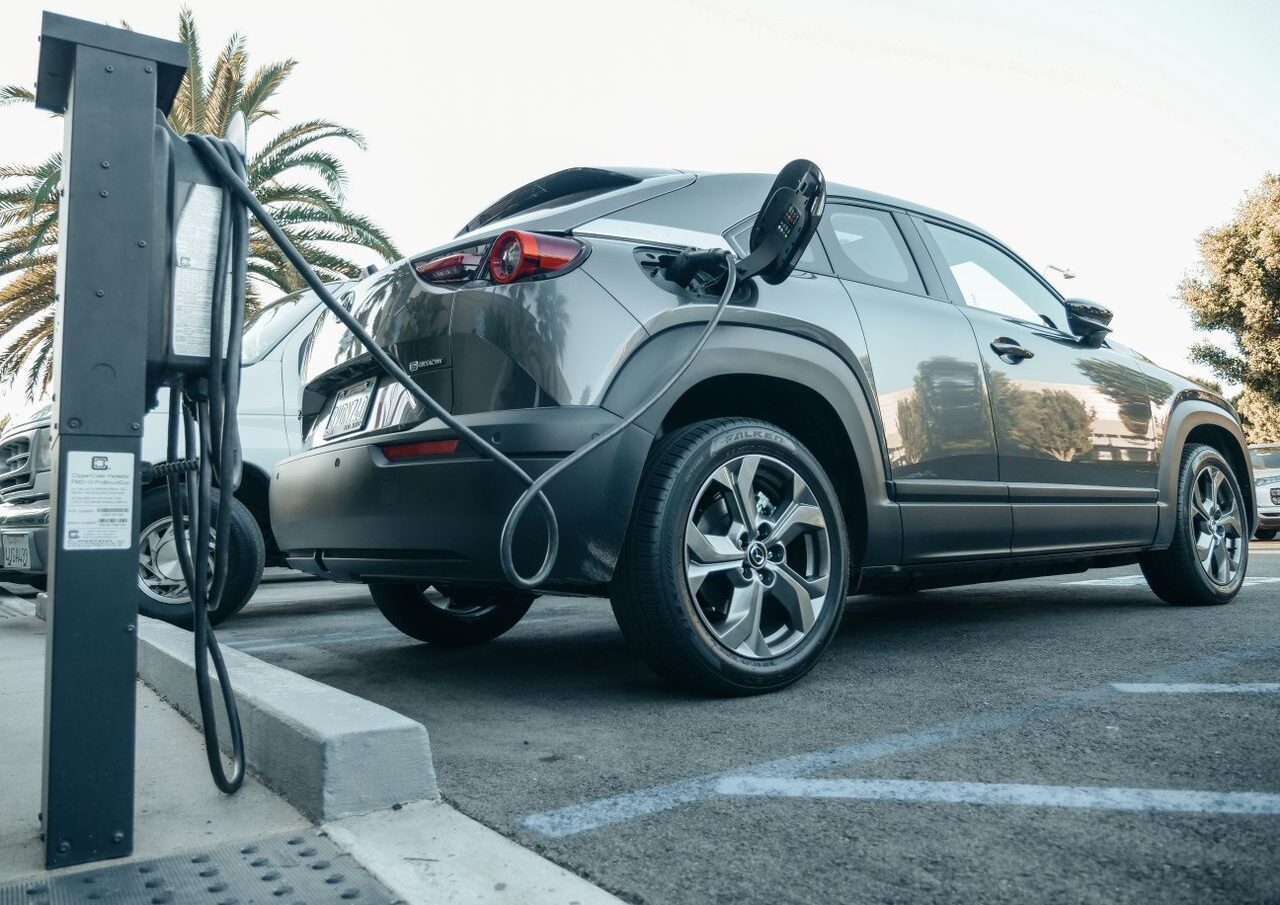
Electric vehicles are no longer just a futuristic idea in Kenya. Over the last few years, they have slowly shifted from exhibition talk at events like AUTOEXPO Kenya to real vehicles on Nairobi roads, ride-hailing fleets, and dealership showrooms. But despite the growing visibility, the question still remains very grounded: are electric cars actually practical in Kenya in 2026, or is the country still in the early adoption experiment stage?
The answer sits somewhere in between. Kenya is in a unique position compared to many countries because of its electricity mix. A large share of the national grid is powered by geothermal, hydro, wind, and increasingly solar energy. This gives electric vehicles a strong environmental advantage, since charging an EV in Kenya is generally far cleaner than in countries dependent on coal or heavy fossil fuels. On paper, this makes Kenya one of the most promising EV markets in Africa. But the real-world experience is shaped less by electricity generation and more by how that electricity reaches users in daily life.
The biggest challenge facing EV adoption in Kenya is not enthusiasm, but infrastructure. Public charging stations are still limited and concentrated mainly in Nairobi and a few commercial hubs. Outside the capital, long-distance EV travel becomes difficult to plan with confidence. Most current EV owners rely heavily on home charging setups or workplace charging points, with a small but growing number of private charging providers filling the gap in urban areas. This reality means that electric cars in Kenya are currently best suited for people with stable access to electricity and secure parking, especially homeowners or businesses that can install chargers.
Cost is another area where expectations and reality meet in an uneven way. Electric cars are gradually entering the Kenyan market through used imports, especially from Japan and China, with models like the Nissan Leaf and various BYD variants becoming more visible. However, the upfront cost of EVs remains relatively high compared to petrol vehicles in the same category. This is largely due to battery value, import costs, and limited global supply of used EVs. Interestingly, this high entry price contrasts sharply with the long-term running costs, which are significantly lower. Electricity per kilometre is cheaper than fuel, and EVs require fewer mechanical repairs due to their simpler drivetrain systems.
Maintenance is another area where EVs show clear theoretical advantage but face local limitations. In principle, electric vehicles are simpler machines with fewer moving parts, meaning no oil changes, no exhaust systems, and fewer routine engine-related repairs. However, in Kenya, this simplicity is still dependent on access to specialized knowledge. EV servicing requires trained technicians and diagnostic tools that are not yet widely available outside a few urban centres. Nairobi is gradually developing this ecosystem, but outside the city, EV repair infrastructure remains thin.
Range anxiety, often discussed globally, takes on a slightly different meaning in the Kenyan context. Most modern EVs offer enough range for daily city use, and for Nairobi drivers who typically travel predictable routes, this is usually sufficient. The real issue is not battery range itself, but the lack of reliable fast-charging infrastructure between cities. Journeys such as Nairobi to Mombasa or Kisumu still require careful planning, something petrol vehicle owners rarely think about thanks to the widespread fuel station network across the country.
Because of these limitations, hybrid vehicles have quietly become the most practical form of “electrified” mobility in Kenya. Models like the Toyota Prius and Aqua are particularly popular because they offer fuel efficiency benefits without requiring charging infrastructure. For many Kenyan buyers, hybrids represent a safer transition point between conventional petrol vehicles and full electric adoption.
Government and private sector interest in electric mobility is clearly growing. Policy discussions around reduced taxes, cleaner transport systems, and investment in charging infrastructure are increasingly visible. However, the ecosystem is still in a developmental phase. Unlike mature EV markets where infrastructure, incentives, and consumer adoption move in sync, Kenya is still building these layers simultaneously.
So when looking at the practical question, electric cars in Kenya in 2026 are not a future concept anymore, but they are not yet fully mainstream either. They are practical for specific users, especially urban drivers with home charging access, predictable routes, and short to medium daily commutes. For long-distance travellers, rural users, and those without charging access, they remain a challenging choice for now.
What is clear is that the shift has already started. EVs are no longer hypothetical in Kenya; they are slowly entering real usage patterns, supported by improving awareness, gradual infrastructure development, and increasing global availability of electric models. The transition is underway, but it is unfolding at a pace shaped more by infrastructure readiness than by technological possibility.
At Iko Gari, this shift is something worth watching closely. As the Kenyan automotive market evolves, electric vehicles, hybrids, and traditional petrol cars will continue to coexist, each serving different needs. For buyers today, the decision is less about following global trends and more about understanding how each option fits into real Kenyan driving conditions, budgets, and infrastructure realities.