

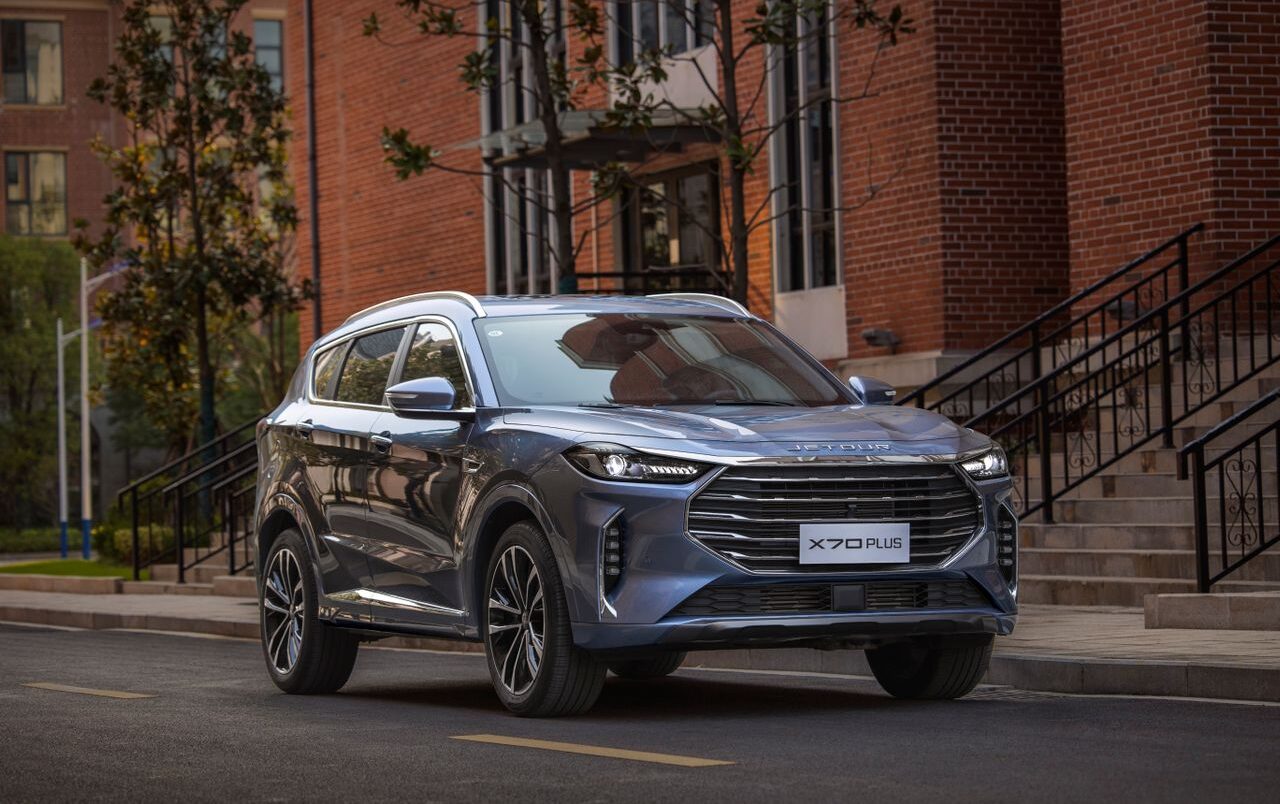
A few years ago, seeing a Chinese car on Kenyan roads was uncommon. Today, that is changing rapidly. Brands such as BYD, Chery, Jetour, Geely, GWM, and JAC are becoming increasingly visible in showrooms and on highways, reflecting a global shift that is beginning to influence the local market.
The timing is not a coincidence. China recently exported more than one million vehicles in a single month for the first time, underscoring how quickly its automotive industry has expanded beyond its domestic market. As manufacturers look for new customers around the world, African markets, including Kenya, are becoming an important part of that growth.
For Kenyan buyers, however, the bigger question is not how many Chinese cars are being produced. It is whether they are worth considering alongside the Japanese brands that have dominated the market for decades.
Why Chinese Cars Are Becoming More Popular
Several factors have contributed to their growing presence. Many Chinese manufacturers have invested heavily in design, technology, and safety over the last decade. Modern infotainment systems, panoramic sunroofs, advanced driver assistance features, and digital dashboards are no longer limited to premium European brands. In many cases, Chinese vehicles now offer these features at prices that compete directly with used imports from Japan.
That combination has caught the attention of buyers looking for more equipment without stretching their budgets.
Another reason is the growing interest in electric and hybrid vehicles. Companies such as BYD have become global leaders in electric mobility, and their success is beginning to influence markets far beyond China. As Kenya gradually develops charging infrastructure and interest in cleaner transport grows, these manufacturers are likely to play an increasingly important role.
What Kenyan Buyers Should Consider
Buying a car is about far more than the features you see in the showroom. Ownership begins after you drive away, and that is where practical considerations become more important.
Toyota has built its reputation in Kenya over many years because spare parts are widely available, experienced mechanics are easy to find, and resale values remain consistently strong. These advantages have given buyers confidence even when purchasing older vehicles.
Many Chinese brands are still building that same level of trust. Some already have authorised dealerships, service centres, and genuine parts available locally, while others are still expanding their after-sales networks. Before making a purchase, buyers should find out where the vehicle will be serviced, how easily replacement parts can be obtained, and whether qualified technicians are available nearby.
These questions matter just as much as fuel economy or engine performance.
Have Chinese Cars Improved?
The perception that Chinese cars are poorly built has become increasingly outdated. Independent safety tests, international design awards, and growing export figures suggest that many manufacturers have made significant progress in quality and engineering. Some models now compete directly with established Japanese, Korean, and European rivals in areas such as technology, comfort, and safety.
That does not mean every Chinese vehicle is automatically a better choice. Just as not every Japanese or European model performs equally well, quality varies between manufacturers and individual models. Buyers should evaluate each vehicle on its own merits rather than relying on old assumptions or country of origin alone.
Are They Worth Buying in Kenya?
For some buyers, the answer is yes. If you value modern technology, attractive styling, and generous equipment for your money, several Chinese vehicles deserve serious consideration. Buyers who intend to keep a vehicle for many years may find the value proposition particularly appealing.
On the other hand, those who regularly change vehicles every few years may still prefer brands with a longer resale history in Kenya. Resale values for many Chinese models are improving, but they have not yet reached the consistency enjoyed by long-established Japanese brands.
The Road Ahead
Kenya’s automotive market has always evolved alongside global trends. Japanese imports transformed the market for decades, Korean brands steadily earned their place, and now Chinese manufacturers are entering the conversation with increasing confidence.
Competition ultimately benefits buyers. As more manufacturers compete for attention, consumers gain access to better technology, improved safety features, and a wider range of vehicles across different price points.
Whether Chinese brands eventually match Toyota’s reputation in Kenya remains to be seen. What is already clear is that they are no longer niche alternatives. They are becoming part of the mainstream market, and for many buyers, they are worth a closer look before making their next purchase.