

Buying a used car in Kenya can be one of the smartest financial decisions if done correctly, or one of the most expensive mistakes if rushed. With a huge, vibrant second-hand auto market, the best deal is out there, but it all depends on you the consumer knowing exactly what to expect before parting with your cash to the dealer. If you are a car buyer merely upgrading or new to car ownership altogether, there are certain specific aspects which require keen identification first.
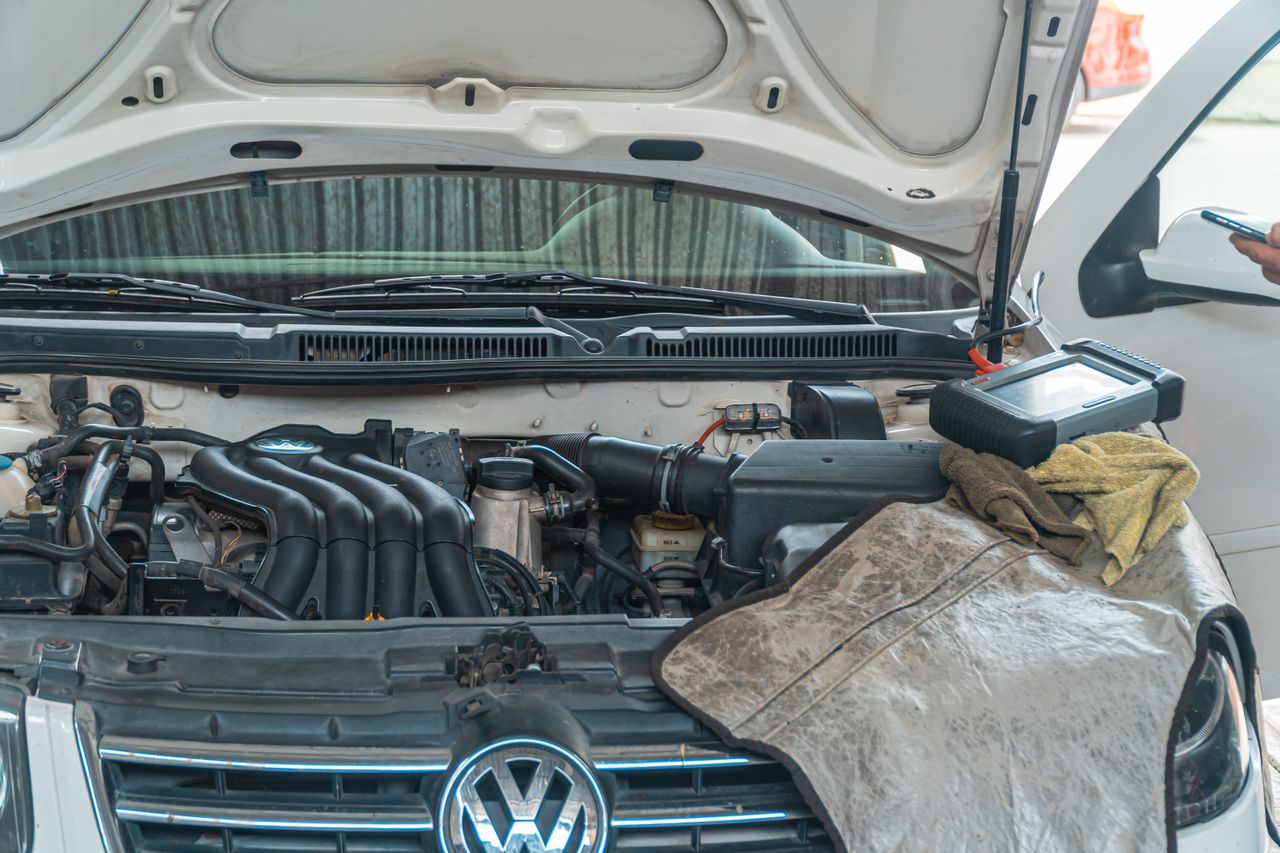
One of the most important considerations is the vehicle’s overall mechanical condition. Many used cars in Kenya are imported and have already been driven in other countries before arriving on local roads, which means mileage and wear can differ significantly. A vehicle appearing tidy on appearance may have an engine, transmission, or suspension problem not apparent in a short test drive. It is better to have a mechanic to give the vehicle a general check-up, test for engine oil leaks, odd engine noises, excessive suspension wear, or have the transmission checked for delay.
Another critical factor is verifying the car’s service history. A car with good service history will generally have a detailed record of everything done including oil changes, part replacement and general service of the car, etc. Unfortunately, in Kenya most used vehicles are sold without documentation and you need to look at the car to determine how well it has been maintained. While absence of the records does not necessarily equate to poor condition, it is a factor one needs to watch out for. The more regular the service, the more likely the car to have longevity.
Mileage is another area that buyers need to approach carefully. Mileage per se does not necessarily affect the condition of a car and there may be older cars with low mileage that are a cause for suspicion, although very high mileage can be acceptable if car has been properly maintained. The key phrase in such instances is the relationship with overall condition of the car’s wear and tear and its servicing history. In Kenya, it is recommended to corroborate the mileage with the interior condition, appearance of pedals and steering wheel, and the response of the engine since these should give a more accurate indication of a vehicle’s usage.
The legal status of the vehicle is also critical. Always double check the ownership details before closing the deal and ensure that the logbook is authentic and that the vehicle details correspond with those of the seller. I have known many buyers who race through the purchasing process and later encounter ownership transfer issues or ends up with more financial demands. In Kenya, the vehicle can be checked and verified whether it is stolen, involved in police case or outstand any financial institution. This is actually a precaution worth taking.
A proper inspection of the car’s accident history is also necessary. Some cars that have been involved in serious accidents are repaired and offered for sale on without full disclosure of the previous incident. While some repaired vehicles may still make reliable safe transports, others can have considerable structural problems which can be hazardous and reduce their lifespan. Indicators of past accident repair may include uneven panel gaps, irregular repaint lines, warped bodywork and this can usually be identified by a trained professional.
Fuel consumption is another practical consideration for Kenyan buyers, especially given fluctuating fuel prices. Vehicles consume fuel differently based on the engine size, transmission type and types of roads used (urban, inter urban, off-road). Smaller engines with fuel injected technology is the best form of engine as compared to larger engines and older vehicles.
Spare parts availability and maintenance costs should also be considered before making a decision. Car brands like Toyota enjoy quite a lot of popularity since spare parts are readily available and mechanics know how to handle such vehicles. Other brands may have technological edge or may look good but if replacement parts turn out to be costly or hard to find, ownership days could be painful and costly. A buyer must be wise in total cost comparison of purchase and its future maintenance.
Test drive the vehicle. Never miss the importance of test driving the car This will help identify how the car feels, whether steering and braking response is good, the smoothness of the engine and comfort levels. Also pay attention to any strange sounds during acceleration, how the vehicle reacts and handles bumps or uneven surfaces. A smooth comfortable ride is a reliable sign of a healthy vehicle.
In conclusion, purchasing a used car in Kenya is only a mirror of how much research and planning you put in. It requires patience to study and determine what is best for you, diligence and a healthy component of skepticism to examine, compare, and double check all the information you will be given before making the final decision. This way, you will buy a trouble free vehicle that will last you many years.
At Iko Gari, we always encourage buyers to explore listings carefully, compare options, and always prioritize verified and well-documented vehicles. The right car is not just about price, it is about long-term value, reliability, and peace of mind on Kenyan roads.