

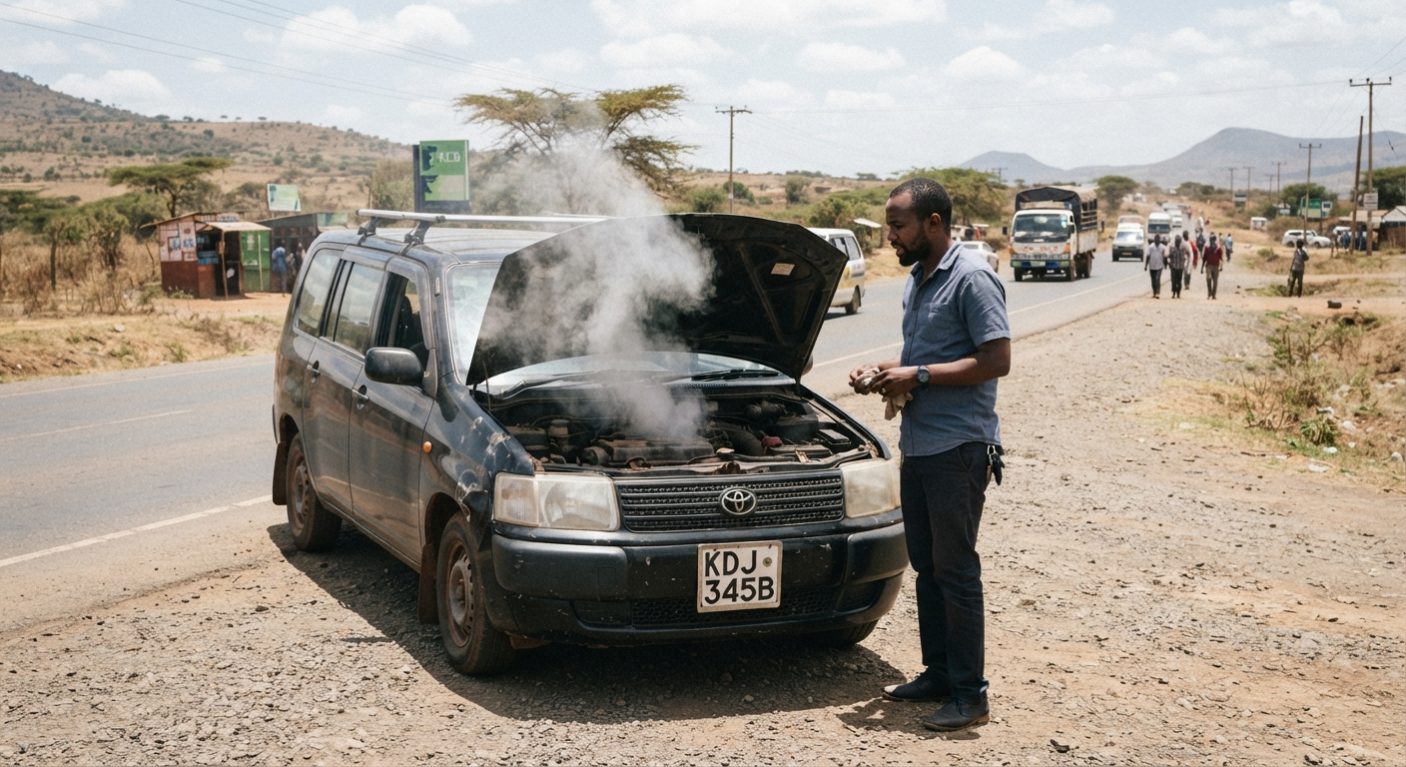
Seeing the temperature gauge rise when the coolant reservoir is full can be confusing. You may have checked the coolant level, topped it up and expected the engine to remain cool, only to find the temperature climbing again.
The problem is that having enough coolant does not necessarily mean it is circulating properly or that the cooling system is removing heat effectively. Several components must work together to maintain the correct engine temperature. If one fails, the engine can overheat even when the coolant level appears normal. Here are some of the possible causes.
A faulty thermostat
The thermostat regulates the flow of coolant between the engine and the radiator. When the engine is cold, it remains closed to help the engine warm up. Once the operating temperature is reached, it opens to allow coolant to circulate through the radiator.
If the thermostat becomes stuck in the closed position, coolant cannot circulate properly through the radiator. Heat builds up inside the engine, causing the temperature to rise even though there may be plenty of coolant in the reservoir.
A faulty thermostat can also cause fluctuating temperature readings. In some cases, the engine may overheat shortly after starting, particularly if the thermostat is not opening as it should.
A failing water pump
The water pump is responsible for circulating coolant through the engine and radiator. If it stops working properly, coolant may remain in the system without moving at the rate needed to carry heat away.
A damaged pump, worn impeller or failing bearing can affect coolant circulation. Some water pumps are driven by the engine’s timing belt or accessory belt, so a problem with the drive system can also affect their operation.
Signs of a failing water pump may include coolant leakage, unusual noises around the pump area and overheating. However, a pump can also fail internally without obvious external leakage.
A blocked radiator
The radiator transfers heat from the coolant into the surrounding air. Over time, its internal passages can become restricted by rust, deposits or contamination, reducing the amount of coolant that can flow through it.
The radiator may also be blocked externally by dirt, insects and debris covering its cooling fins. This reduces airflow and makes it harder for the system to release heat.
A partially blocked radiator may cause overheating during long journeys, when climbing hills or when the engine is under heavy load. In other cases, the problem may become more noticeable in slow-moving traffic.
A faulty radiator fan
The radiator fan helps pull air through the radiator, particularly when the vehicle is stationary or moving slowly.
If the fan motor fails, its fuse blows, the relay develops a fault or the temperature sensor fails to activate it, the radiator may not receive enough airflow to cool the coolant.
This is why some cars overheat in traffic but return to normal temperatures once they start moving at higher speeds. At higher speeds, air naturally flows through the radiator, partly compensating for the faulty fan.
If the temperature rises mainly when idling or driving slowly, the fan and its electrical controls should be among the first components checked.
Air trapped in the cooling system
Air pockets can interfere with coolant circulation and prevent certain parts of the engine from receiving adequate cooling.
This can happen after coolant has been drained and replaced without following the correct bleeding procedure. It may also occur when a leak allows air into the system.
Some vehicles have specific bleeding procedures, and simply filling the reservoir may not remove all the trapped air. The result can be fluctuating temperature readings, poor cabin heating and unexpected overheating.
The cooling system should be bled according to the vehicle manufacturer’s procedure rather than repeatedly topping up the reservoir.
A damaged radiator cap or coolant leak
The radiator cap does more than keep coolant inside the system. It helps maintain the pressure required to raise the coolant’s boiling point and allows coolant to move between the radiator and expansion tank as the engine heats and cools.
If the cap cannot maintain the correct pressure, coolant may boil or escape prematurely. The reservoir can still appear full, but the cooling system may not be operating at the required pressure.
A leak can also occur in a hose, radiator, water pump, heater core or another part of the system. Some leaks are only noticeable when the engine is hot and the system is pressurised.
A pressure test can help identify leaks that are difficult to see during an ordinary inspection.
A blown head gasket
A damaged head gasket is one of the more serious causes of engine overheating. It separates the engine’s combustion chambers from its coolant and oil passages.
When the gasket fails, combustion gases can enter the cooling system, creating excessive pressure and interfering with normal coolant circulation. Coolant may also leak into the combustion chambers or mix with engine oil.
Possible warning signs include persistent white exhaust smoke after the engine has warmed up, unexplained coolant loss, bubbles in the coolant reservoir, rough engine running and repeated overheating.
However, not every blown head gasket produces all these symptoms. A proper diagnostic test is necessary before concluding that the gasket has failed.
So, what should you do when the engine overheats? If the temperature gauge enters the red zone or an overheating warning appears, stop somewhere safe as soon as possible and switch off the engine. Continuing to drive can cause serious damage, including a warped cylinder head or complete engine failure.
Do not remove the radiator cap while the engine is hot. The cooling system is pressurised, and escaping steam or hot coolant can cause severe burns. Allow the engine to cool before any inspection, and never pour cold water into a severely overheated engine.
Have a qualified mechanic inspect the cooling system. Depending on the symptoms, this may involve checking coolant circulation, testing the radiator fan, inspecting the thermostat and water pump, pressure-testing the system and checking for combustion gases in the coolant.