

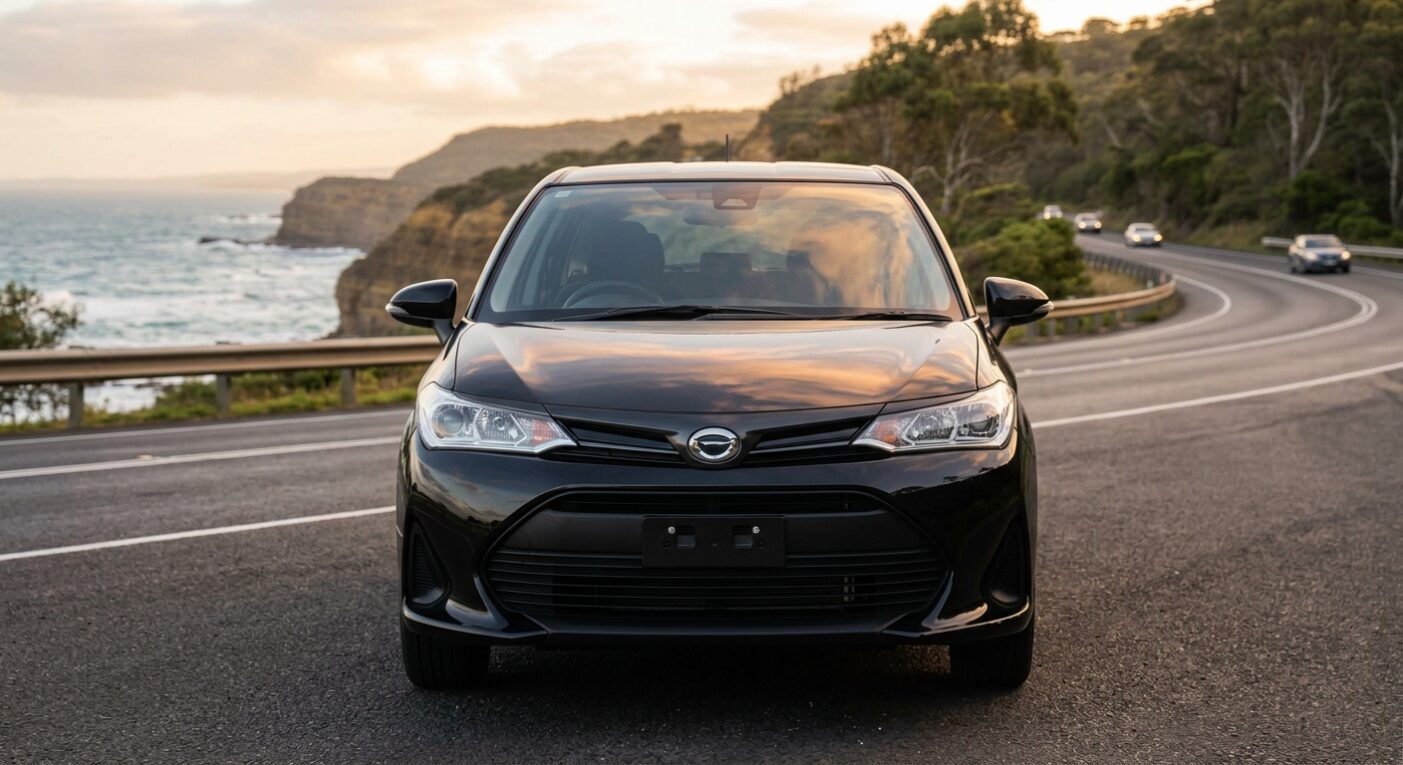
If you spend even a short time driving or walking through Kenyan towns, one car becomes almost impossible to ignore. It shows up in Nairobi’s morning traffic, sits outside homes in Nakuru estates, moves through Kisumu’s busy streets, and quietly climbs the highways heading toward Eldoret or Mombasa. The Toyota Fielder is not just present in Kenya, it is deeply embedded in everyday mobility. It has become one of those rare vehicles that people recognize instantly without needing introduction or explanation.
Part of its dominance comes down to how well it fits into the practical thinking behind car ownership in Kenya. Buying a car is rarely an emotional or luxury decision for most drivers. It is a calculated investment that must make sense long after the purchase is made. The Toyota Corolla Fielder has managed to stay relevant because it answers the most important questions Kenyan motorists ask: will it be expensive to maintain, will it be easy to repair, and will I still find a buyer when I want to sell it? Over the years, it has built a reputation of saying “yes” to all three in a way few competitors can match.
Fuel efficiency is another quiet reason behind its continued dominance. With fluctuating fuel prices that directly affect daily budgets, especially for commuters and small business owners, the Fielder’s modest engine options have made it a reliable companion. It is not a car that tries to impress with speed or aggressive performance. Instead, it focuses on consistency. Whether it is crawling through Nairobi traffic jams or cruising on long-distance trips, it delivers predictable fuel consumption that helps drivers plan their expenses without constant surprises.
The availability of spare parts has also played a major role in its long-standing popularity. In Kenya, a car is only as good as the ecosystem that supports it, and the Fielder benefits from being part of the wider Toyota family. From major garages in Nairobi’s Industrial Area to small workshops in rural towns, mechanics are familiar with it. Parts are widely stocked, both new and second-hand, which means owners rarely face long delays or complicated sourcing challenges. This ease of maintenance has created a strong sense of confidence among drivers, making the car feel less risky to own compared to many alternatives.
Resale value is another factor that quietly keeps the Fielder at the top. Kenyan car buyers are always thinking ahead, and a vehicle that can easily be resold without major financial loss is highly attractive. The Fielder holds its value well because demand remains consistently high. There is always someone looking for one, whether it is a first-time buyer, a taxi operator, or a family upgrading from a smaller car. This constant demand creates a healthy resale market where owners feel financially protected even when they decide to move on.
Beyond the economics, the Fielder also fits the everyday lifestyle of many Kenyan households. It is neither too small nor too large, striking a balance that works well for mixed-use needs. It carries school children in the morning, groceries in the afternoon, and luggage for weekend trips when needed. The flexible boot space and foldable seats make it adaptable in a way that suits the unpredictable nature of daily life. It is a car that quietly adjusts itself to different roles without demanding special treatment.
Over time, reliability has become its strongest form of marketing. Many Kenyans know someone who has owned a Fielder that served them for years without major trouble. These real-life stories carry more weight than advertisements ever could. Trust builds slowly, but once established, it spreads through families, friends, and even professional networks. A mechanic recommending it, a taxi driver relying on it, or a relative praising it after years of use all contribute to a shared belief that the Fielder simply works.
Even as newer vehicles enter the Kenyan market with modern designs, touchscreen dashboards, and advanced features, the Fielder continues to hold its ground. Many of these newer options come with higher maintenance costs, more complex systems, and less familiarity among local mechanics. For many drivers, the appeal of modern technology is outweighed by the uncertainty it introduces. The Fielder remains attractive because it is predictable, and in a market where financial stability matters, predictability often wins over novelty.
The continued dominance of the Toyota Fielder in Kenya is therefore not accidental. It is the result of years of alignment between the vehicle’s strengths and the realities of Kenyan driving life. It represents a balance between cost, reliability, practicality, and long-term value that many cars attempt but few achieve. It is not just a car that people buy; it is a car that people trust to keep their lives moving.
Finding the right car shouldn’t be a matter of guesswork. At Iko Gari, we’re committed to helping you make informed car-buying decisions through trusted reviews, practical buying guides, and expert insights tailored to the Kenyan market. Whether you’re considering a Toyota Fielder or any other vehicle, our goal is to give you the knowledge and confidence to choose the right car for your needs and budget.
When you’re ready to buy, we can also help connect you with trusted automotive partners and guide you through the process, making your journey simpler, more transparent, and focused on finding the right vehicle, not just any vehicle.