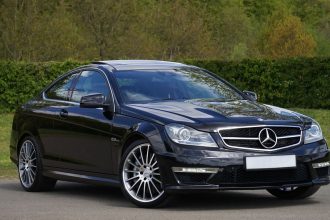




Modern cars are safer, more comfortable and more fuel-efficient than vehicles produced a few decades ago. They come with advanced electronics, sophisticated engines, digital dashboards and driver-assistance systems designed to make driving easier.
However, this progress has introduced a challenge for car owners. When something goes wrong, diagnosing and repairing a modern vehicle can be considerably more complicated and expensive than fixing an older model.
A fault that once required replacing a relatively simple mechanical component may now involve electronic diagnostics, specialised equipment and several interconnected systems. For motorists in Kenya, where many vehicles are imported second-hand, this is an important consideration when choosing a car.
One of the biggest changes in vehicle design is the increasing dependence on electronics. Modern vehicles use multiple electronic control units (ECUs) to manage functions such as engine performance, transmission operation, braking, airbags and climate control.
These systems communicate with one another, meaning a problem in one area can sometimes affect other functions. A faulty ABS sensor, for example, may trigger warning lights and interfere with traction control. Identifying the actual cause requires appropriate diagnostic equipment and someone who understands how the systems work together.
Engine technology has also become more sophisticated. Turbocharging, direct fuel injection, variable valve timing and advanced emissions-control systems help manufacturers improve performance while reducing fuel consumption and emissions. However, they introduce additional components that require proper maintenance.
Diesel vehicles fitted with particulate filters (DPFs), for instance, can develop problems when used mainly for short urban journeys that do not provide suitable conditions for regeneration. Turbochargers, high-pressure fuel pumps and emissions sensors can also become expensive repair items when they fail.
The situation becomes even more complicated with advanced safety features. Cameras, radar sensors and parking assistance systems may require calibration after certain repairs or replacements. Even a windscreen replacement can involve additional work if it houses a camera used by a driver-assistance system.
Another challenge is finding the right replacement parts. Older and more common vehicles often benefit from established aftermarket parts markets. Mechanics and spare-parts dealers are familiar with their components, making replacements easier to source at different price points.
Newer vehicles, particularly less common models and high-specification imports, may have components that are harder to find locally. Some parts must be ordered from abroad, increasing both repair costs and waiting times.
Electronic components can be particularly challenging. Replacing a control module, for example, may require programming or coding before it communicates correctly with the vehicle.
The skills required to repair cars have also changed. Traditional mechanical knowledge remains important, but modern vehicles demand additional expertise in electronics, computer diagnostics and manufacturer-specific systems.
A mechanic who is comfortable working on conventional engines may not necessarily have the equipment or training to diagnose a complicated automatic transmission or electronic fault. Taking a vehicle to the wrong workshop can result in unnecessary part replacements and repeated visits without resolving the original problem.
This is why choosing a mechanic familiar with your particular vehicle is becoming increasingly important. For some repairs, paying for specialist diagnosis can save money in the long run.
What should Kenyan car buyers consider then? The growing complexity of modern vehicles does not mean buyers should avoid newer models. They generally offer important improvements in safety, comfort and efficiency. However, buyers need to consider the cost of maintaining the technology they are purchasing.
Before buying an imported used vehicle, check its service history, scan the electronic systems for fault codes and confirm that important features are functioning. If it has a turbocharged engine, automatic transmission or advanced driver-assistance systems, have those components assessed by someone familiar with the model.
Parts availability is equally important. A popular modern Toyota may have better local support than a less common older European vehicle. Research the availability and cost of commonly replaced components before committing to a particular model.
It is also worth remembering that older cars are not automatically cheaper to maintain. Age brings its own problems, including deteriorating rubber components, corroded electrical connections, worn suspension parts and ageing engine components. A neglected older vehicle can easily become more expensive to own than a newer, well-maintained one.
Ultimately, the purchase price tells only part of the ownership story. A car that looks affordable at the dealership may become expensive if its technology requires specialist repairs or hard-to-find components.
Modern vehicles offer considerable advantages, but keeping them reliable requires the right maintenance support and a realistic budget. Before buying, understand not just how much the car costs, but also what it will take to keep it on the road.