

Kenya has taken another major step toward becoming a regional electric vehicle manufacturing hub after the government signed a proposed US$3 billion (about KSh389 billion) electric-mobility agreement with Endelevu Enterprise Corporation.
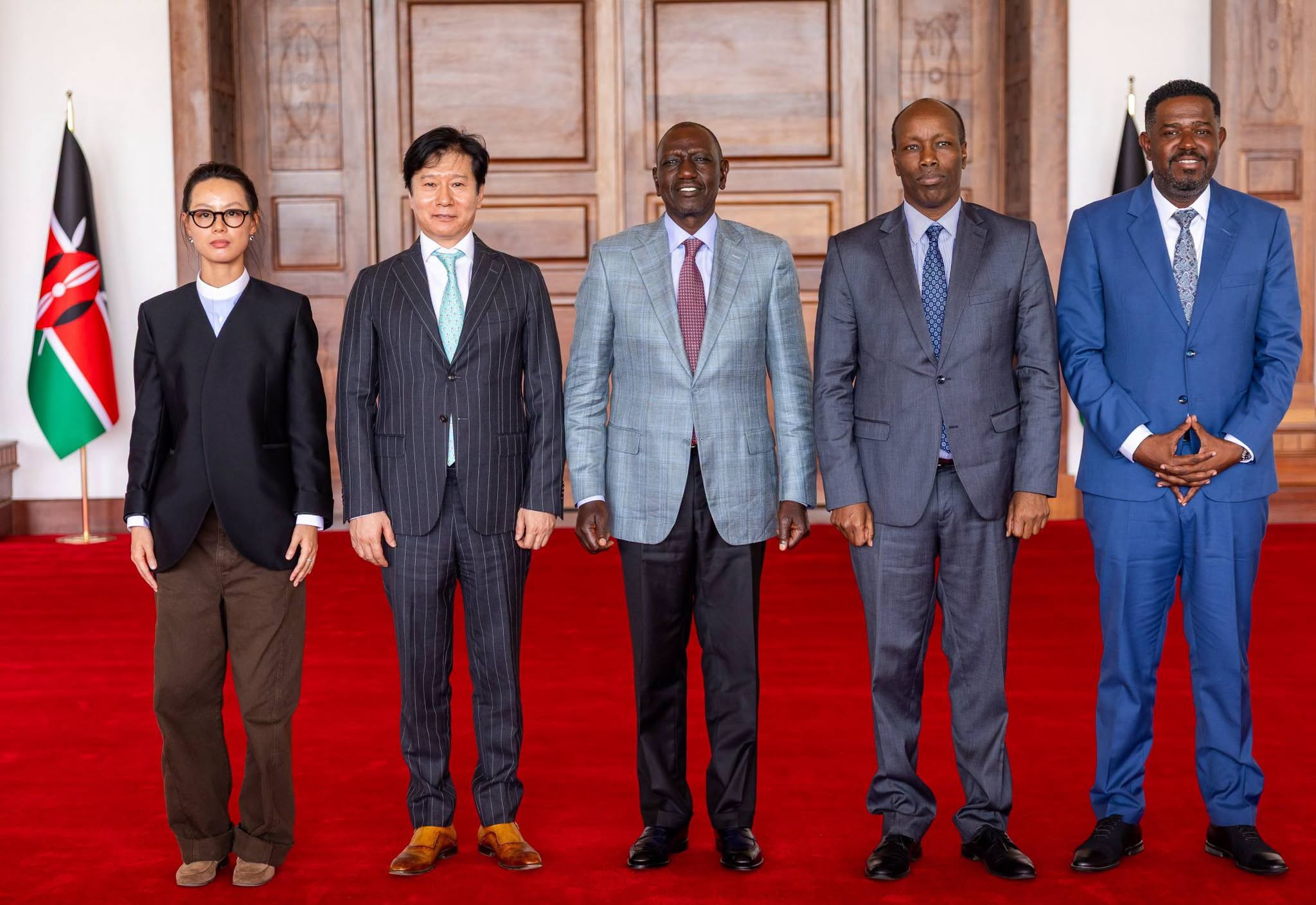
The memorandum of understanding was signed at State House, Nairobi, on October 6 in the presence of President William Ruto. The proposed project would cover electric vehicle manufacturing and assembly, charging infrastructure and other parts of the green-mobility value chain. Chinese automaker Geely has been identified as Endelevu’s partner in the project.
The numbers are ambitious. One proposed assembly plant would have the capacity to produce 50,000 four-wheel vehicles a year, while a second facility would produce up to 100,000 two-wheelers and light-mobility vehicles annually. The plan also includes 1,000 solar-powered charging hubs and a digital platform capable of managing up to 100,000 green vehicles.
If eventually realised, this would be a significant change for Kenya’s automotive industry, which remains heavily dependent on imported vehicles. Instead of simply bringing finished electric cars into the country, Kenya could eventually have vehicles assembled locally, with opportunities for local suppliers, technicians, logistics companies and other businesses.
The government says the project could create about 2,000 direct jobs and more than 20,000 indirect jobs, with additional opportunities in fleet management, operations and related services. President Ruto also said Kenya’s ambition is not limited to supplying the domestic market. Vehicles that meet East African Community Rules of Origin could potentially be exported to other markets in the region.
For Kenyan car buyers, however, it is important not to get ahead of the announcement. There are not yet Kenyan-made Geely electric cars sitting on dealer forecourts.
The agreement is an MoU, meaning it establishes a framework for the proposed investment. The government itself acknowledged that much still has to happen, with Ruto saying the project must move from the memorandum to definitive agreements, then to groundbreaking and eventually production.
Several important details have also not been publicly confirmed, including the final location of the plants, construction timeline and financing structure. The exact role and financial commitment of Geely have not been fully disclosed either. That makes execution the big question.
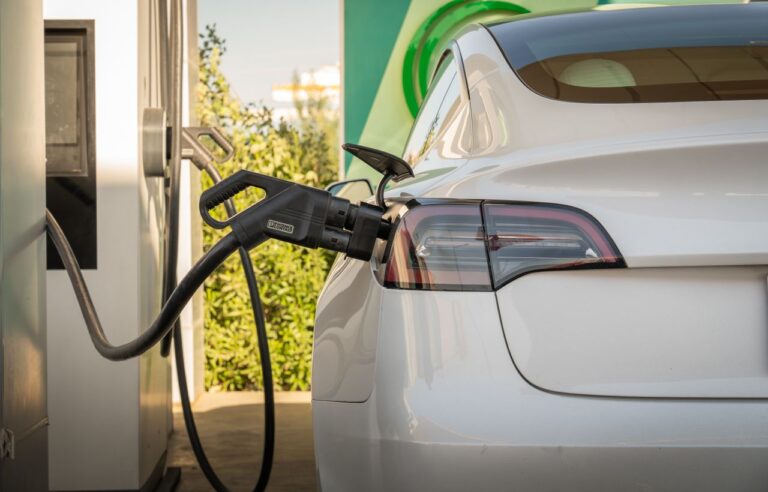
Kenya already has a growing electric-mobility market, supported by increasing EV registrations, charging infrastructure and government efforts to encourage adoption. The proposed manufacturing project could take that development to another level by bringing production closer to the market.
For buyers, local production could eventually mean greater availability of new EVs, easier access to parts and technical support, and potentially more competitive prices. But those benefits will depend heavily on how much local manufacturing actually takes place and whether the promised production facilities become operational.
For now, the KSh389 billion announcement is best viewed as a major proposed investment rather than a completed automotive project. The next milestones will be much more telling: the choice of a site, definitive investment agreements, construction and, ultimately, the first Kenyan-assembled electric vehicle rolling off the production line. If those steps happen, Kenya’s car market could look very different in the years ahead.