

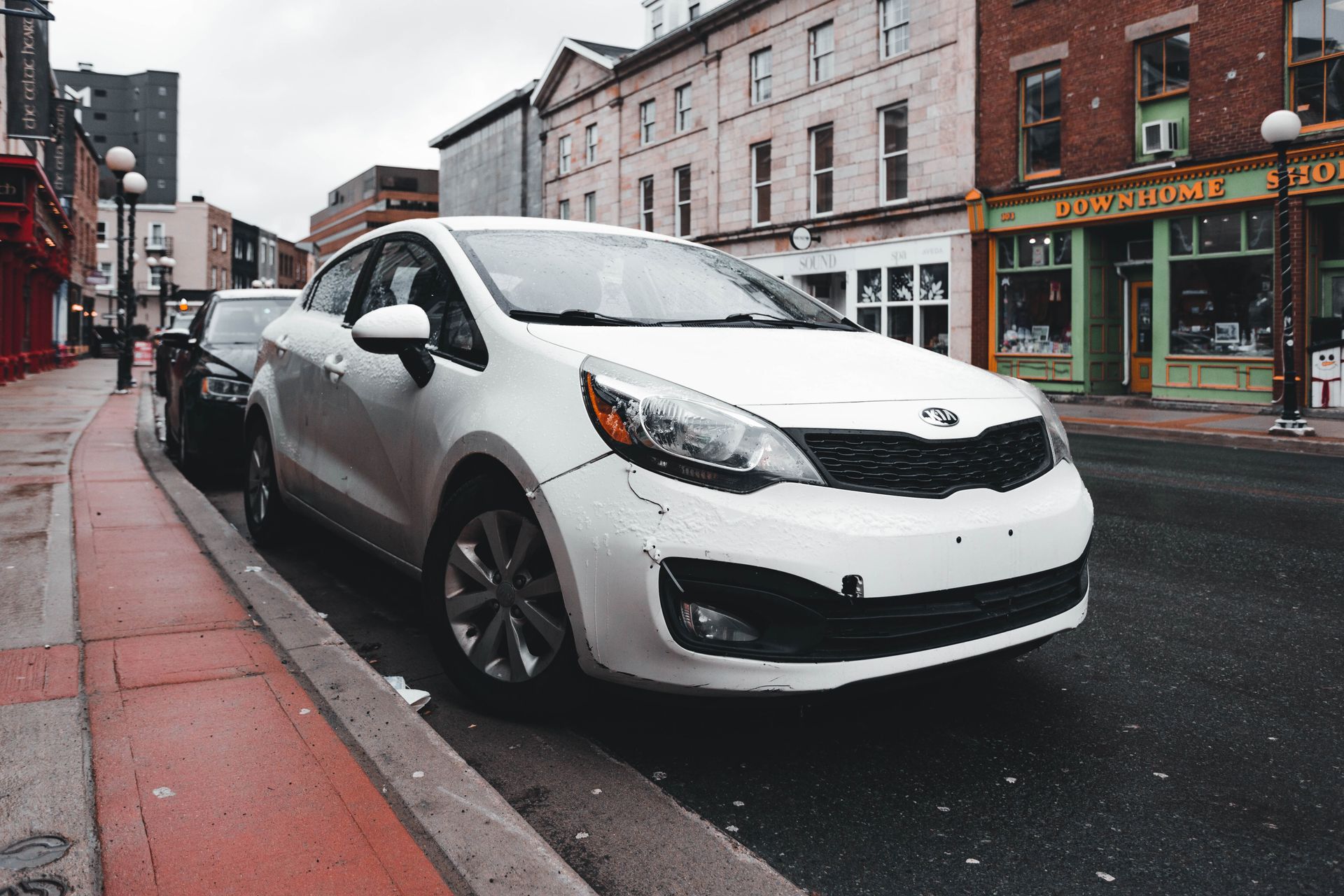
A cheap car can be one of the most expensive cars you ever buy. That sounds contradictory, but anyone who has bought a used vehicle in Kenya knows how quickly the maths can change after the money has changed hands.
You find a car advertised at KSh 700,000, negotiate it down to KSh 650,000 and feel like you’ve found a bargain. Then come the tyres, service, battery, suspension repairs, insurance and a few other things the seller didn’t mention. Suddenly, your KSh 650,000 car isn’t quite a KSh 650,000 car anymore.
This doesn’t mean every cheap used car is a bad purchase. Far from it. Some of the best-value cars on Kenyan roads are older, affordable models that have been properly maintained. The problem is assuming that the purchase price is the same thing as the cost of ownership. It isn’t.
The Selling Price Is Only the Beginning
When comparing used cars, most buyers naturally start with the asking price. That’s reasonable, but it tells you very little about what the car will actually cost you over the next year.
Two Toyota Axio models might both be advertised at KSh 1.2 million, for example, but one may have recently received new tyres, a fresh battery and proper servicing, while the other may need all three immediately. The cheaper-looking car may therefore become the more expensive one within a few months.
This is why condition matters so much in the Kenyan used-car market. A vehicle with a slightly higher asking price can sometimes represent much better value if the previous owner maintained it properly. When you’re comparing cars, don’t ask only “How much is it?” Ask “What will I have to spend after I buy it?”
The First Service Can Change Everything
Used-car buyers often budget for the purchase and forget the first service. Unless you know exactly when the previous owner serviced the vehicle and what was done, it is sensible to establish a maintenance baseline after buying.
Engine oil and filters are obvious, but depending on the car’s condition and service history, you may also need to inspect fluids, brakes, belts, battery, tyres, suspension and other wear items. A car that has been sitting for some time may need attention even if it starts and drives normally.
This is particularly relevant with imported Japanese vehicles. The car may have been well maintained before export, but you still need to establish where it stands today. A clean auction grade doesn’t eliminate the need for a Kenyan pre-purchase inspection.
Tyres Are an Easy Expense to Miss
A used car can look fantastic while sitting on tyres that are already near the end of their life. Four decent tyres can cost a significant amount depending on the vehicle’s size and specification. An SUV such as a Toyota RAV4 or Mazda CX-5 will generally require more expensive tyres than a small hatchback such as a Toyota Vitz or Mazda Demio.
And don’t judge tyres only by how much tread remains. Their age, condition, cracks and previous damage also matter. If the tyres need replacing soon after you’ve bought the car, your bargain has already become more expensive.
Suspension Problems Can Hide Until You Drive the Car Properly
A short test drive around a dealership or estate may not reveal everything. Worn shock absorbers, bushes, ball joints, wheel bearings and other suspension components can become more obvious on rough roads, over speed bumps or at higher speeds.
A car can feel perfectly acceptable for ten minutes and reveal several problems after you’ve driven it for a week. This is why a proper inspection is worth paying for before purchase.
If a KSh 900,000 car needs KSh 150,000 worth of suspension and tyre work immediately, it isn’t necessarily a terrible car. But you need to know about that expense before deciding whether KSh 900,000 is actually a good price.
Fuel Consumption Can Make a Cheap Car Expensive
The purchase price is something you pay once. Fuel is something you keep paying for. This is why choosing an older large-engine vehicle simply because it is cheap to buy can be a false economy for someone who drives every day. A vehicle that costs KSh 800,000 but consumes considerably more fuel than a similarly priced economical hatchback may end up costing much more over several years.
Your driving pattern matters too. A person who drives 5,000 kilometres a year may not care about fuel consumption as much as someone commuting through Nairobi every weekday. The right question isn’t simply “How many kilometres per litre does this car do?” It is “How much am I likely to spend on fuel given the way I drive?”
Insurance Isn’t Based on Your Purchase Price Alone
Insurance is another cost buyers sometimes discover too late. The premium depends on factors including the vehicle’s value, type of cover, insurer and other underwriting considerations. Comprehensive insurance will generally cost more than third-party cover because it provides broader protection.
Before buying an expensive-to-insure vehicle, get an actual quotation rather than guessing. This matters particularly when you’re comparing cars at different price points. A cheaper vehicle may still have ownership costs that don’t fall proportionally with its purchase price.
Cheap Cars Can Have Expensive Parts
Another misconception is that an inexpensive car automatically has inexpensive repairs. That’s not always true.
A relatively affordable used European car, for instance, can have replacement parts and specialist repairs that cost considerably more than those of a common Toyota or Mazda. Even within the same brand, a rare specification can be more difficult and expensive to support than a model that is everywhere in Kenya.
This is one reason parts availability should be part of your buying decision. A car with a strong local support network may cost slightly more to purchase but save you money and frustration later.
The Biggest Hidden Cost Could Be the Car’s History
This is where cheap cars become particularly interesting. A vehicle may be priced below the market because it has high mileage, accident history, mechanical problems or another issue that isn’t immediately obvious from the advertisement.
Some of those things can be acceptable if they’re properly disclosed and reflected in the price. The problem is paying normal market money for a vehicle that has a serious history.
Imported vehicles deserve particular scrutiny. Check the auction history where available, verify the chassis details, inspect the vehicle for accident repairs and confirm the mileage rather than simply trusting an advertisement. A low price should make you curious, not automatically excited.
Depreciation Matters Too
Most people think about depreciation only when they’re selling. But it is part of the cost of owning a car. A vehicle that loses value quickly can cost you considerably more over the period you own it than a model with stronger resale demand. This is one reason popular Toyota models tend to remain attractive in Kenya: demand for clean used examples can make them easier to sell.
That doesn’t mean you should buy a Toyota simply because you expect it to hold value. It means resale should be considered alongside fuel, maintenance and purchase price when comparing vehicles. Sometimes paying slightly more for the right car can make financial sense if it retains more of its value later.
What About Cheap Older Cars?
This is where I wouldn’t discourage buyers. There is absolutely nothing wrong with buying an older car if it suits your budget and has been properly maintained.
A well kept 12 year old Toyota can be a far better purchase than a neglected 6 year old vehicle. Older cars can also be easier to repair because their systems are familiar to local mechanics and replacement parts are widely available. The key is to buy the condition, not simply the age.
If you’re buying an older vehicle, however, keep some money aside for maintenance. Rubber components, suspension parts, cooling system components, batteries and other age related items eventually wear out even when the car has been looked after.
So How Much Should You Keep Aside?
There isn’t a universal amount because every car is different, but I wouldn’t spend every last shilling on the purchase price.
If you’re buying a used car for KSh 1 million, for example, having additional money available for immediate servicing, insurance, repairs and other ownership costs can make the transition considerably less stressful. The older and cheaper the vehicle, the more important this becomes.
And if the only way you can afford the car is to spend all your savings and then borrow money for the first repair, the car probably isn’t affordable yet.
The bottom line here is that a cheap car can be excellent value, but only if the whole ownership equation makes sense. Look beyond the asking price and consider fuel consumption, insurance, servicing, tyres, suspension, parts availability, depreciation and the vehicle’s history. Most importantly, have the car inspected before you buy it and leave yourself enough financial breathing room to deal with the inevitable expenses that come with used-car ownership.
The cheapest car in the yard isn’t necessarily the bargain. Sometimes the real bargain is the car that costs a little more today but doesn’t keep asking for money tomorrow. And that’s probably the best way to think about buying a used car in Kenya: don’t ask how cheaply you can buy it. Ask how cheaply you can own it.