


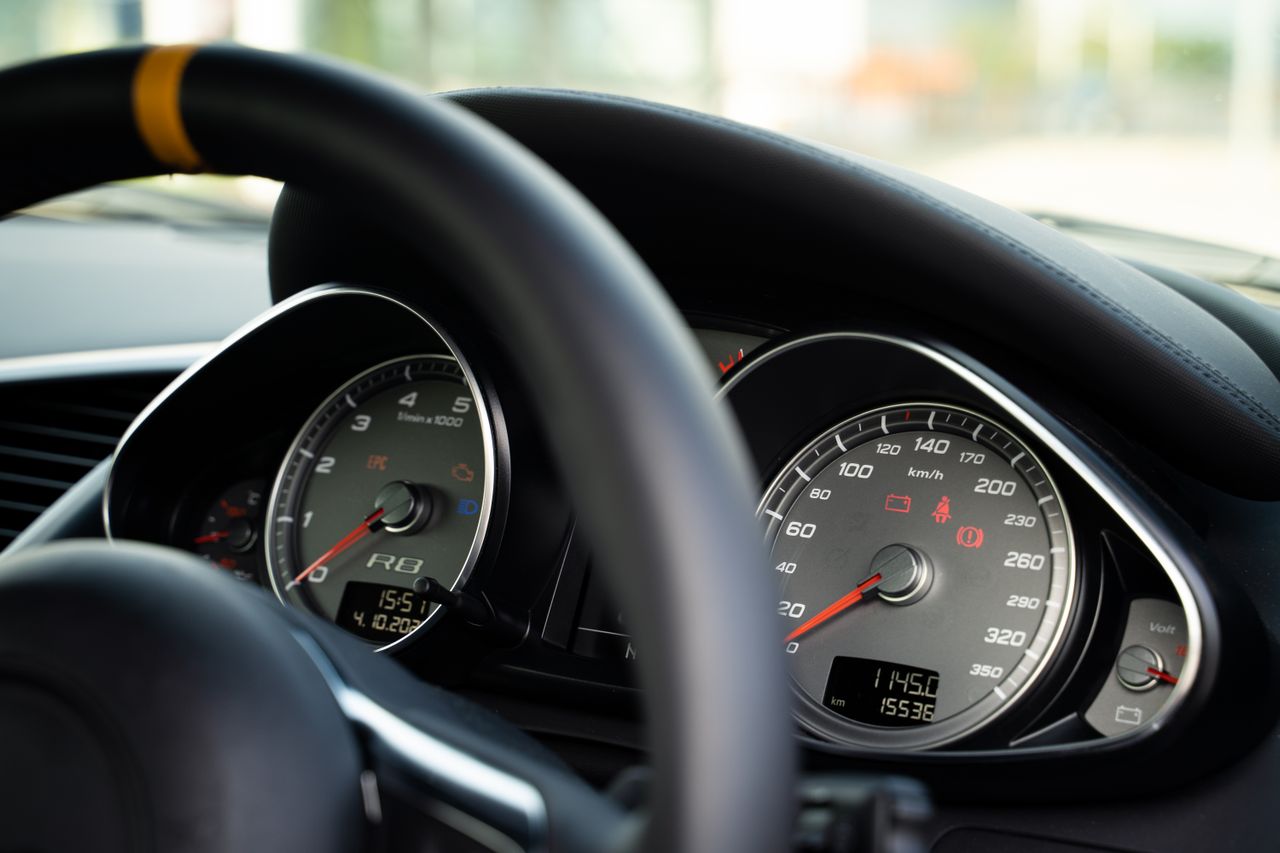
There is a particular moment every driver knows. You’re cruising along normally when a small symbol suddenly appears on the dashboard, and for a second you have to decide whether it’s something serious or simply another reminder from the car.
That uncertainty is understandable because modern dashboards can display dozens of different symbols. Some simply tell you that a feature is active, while others indicate a developing fault. A few are serious enough that continuing to drive could turn a relatively manageable problem into an expensive repair. The good news is that you don’t need to memorise every symbol to understand the basics.
Start With the Colour
The colour of a dashboard light is often the quickest indication of how seriously you should take it. Green and blue lights are generally information indicators, such as when your headlights or high beams are switched on. Amber or yellow usually means the vehicle has detected something that needs attention, although it may still be safe to drive depending on the warning.
Red deserves considerably more caution. A red warning can indicate a problem involving an important system such as the engine, brakes or cooling system, and some red warnings mean you should stop as soon as it is safe to do so. These are general conventions rather than universal rules, so your vehicle’s owner’s manual should always take priority.
The Oil, Temperature and Battery Lights
The oil-pressure warning light, usually represented by an oil can, is one of the most important lights on the dashboard. When it remains illuminated while the engine is running, it can indicate dangerously low oil pressure, meaning the engine may not be receiving adequate lubrication. Continuing to drive can cause severe internal engine damage, so the sensible response is to stop safely and switch off the engine rather than assuming the problem will disappear.
The temperature warning light, often represented by a thermometer over waves, deserves similar attention. It can indicate that the engine coolant temperature is too high, potentially because of low coolant, a leak, a cooling-fan problem, thermostat failure or another cooling-system fault. If the vehicle is overheating, don’t keep driving simply to reach your destination. Allow the engine to cool safely and never remove a hot radiator cap because the cooling system may be under pressure.
The battery-shaped warning light can also be misunderstood. When it comes on while the engine is running, it generally points to a problem with the vehicle’s charging system rather than simply meaning that the battery is old. An alternator, belt, wiring or related component could be responsible, and the car may eventually stop once the battery’s remaining charge is exhausted.
The Check Engine Light Needs Attention, Not Panic
Few dashboard symbols create more anxiety than the yellow engine-shaped check engine light. Yet it doesn’t automatically mean your engine is about to fail.
The light can be triggered by many different problems involving engine management, sensors, emissions systems and other components monitored by the vehicle’s computer. If it remains steadily illuminated and the car is running normally, you should arrange a diagnostic check rather than immediately stopping the vehicle.
However, a flashing check engine light is considerably more concerning because it can indicate a serious misfire capable of damaging the catalytic converter. In that situation, continued driving should be avoided unless necessary to reach a safe location.
The important lesson is not to diagnose a check-engine light from the symbol alone. A proper diagnostic scan can identify the fault code and help determine what actually needs attention.
Brake, ABS and Airbag Warnings Are Not the Ones to Ignore
A red brake warning light may simply mean that the parking brake is still engaged, but if it remains illuminated after the parking brake has been released, it could indicate low brake fluid or another problem with the braking system. If you also notice a soft brake pedal, reduced braking performance or unusual behaviour when stopping, treat the situation as urgent.
The ABS warning light is slightly different. Your conventional brakes may continue working even when the ABS light is illuminated, but the anti-lock braking system may no longer be functioning correctly. Since ABS is designed to help maintain steering control during hard braking, the fault should be diagnosed rather than ignored.
The same principle applies to the airbag or SRS warning light. The vehicle may drive perfectly normally while the light is on, but that doesn’t mean the safety system is functioning correctly. If the warning remains illuminated after starting the car, have it inspected because you don’t want to discover during a collision that an important restraint system wasn’t operational.
Don’t Ignore the Tyre Pressure Light
The tyre-pressure warning symbol is much less dramatic than a red oil or temperature warning, but it can still save you money and prevent a safety problem.
When it appears, check the pressure of the tyres rather than simply resetting the warning and continuing to drive. An underinflated tyre can affect handling, increase fuel consumption and wear the tyre more quickly. If one tyre repeatedly loses pressure after you’ve inflated it, there may be a puncture, valve problem or other fault that needs attention. This is particularly useful on Kenyan roads, where potholes and rough surfaces can contribute to tyre and wheel damage.
What About Traction Control and Other Symbols?
Some warning lights aren’t actually telling you that something has gone wrong. A symbol showing a car with wavy lines underneath may flash when the traction or stability-control system is actively working, such as when the wheels lose grip on a slippery surface. If the light stays on, however, the system may have been switched off or detected a fault. The exact meaning varies between vehicles, which is another reason the owner’s manual is more reliable than assuming every dashboard symbol means the same thing.
Similarly, service reminders and low-fuel warnings aren’t mechanical emergencies, but they shouldn’t be ignored indefinitely. A service reminder is telling you that scheduled maintenance is due, while the fuel warning is simply your car politely suggesting that finding a petrol station would be a good idea.
The Important Thing Is What Happens Next
A dashboard light is not a diagnosis. It is a message that something has happened or that the vehicle has detected a condition worth your attention.
Pay attention to the colour, whether the light is flashing or steady, and whether the car is behaving differently at the same time. If several warning lights suddenly appear together, don’t automatically assume that several unrelated systems have failed; a problem with the charging system or another electrical component can sometimes trigger multiple warnings.
And if you are unsure, don’t guess. Check the owner’s manual or have the vehicle properly diagnosed. The few minutes spent finding out what a warning means can be far cheaper than continuing to drive with a problem that is getting worse.
In short, you don’t need to become a mechanic to understand your car’s dashboard. Knowing the basics can help you distinguish between a normal indicator, a warning that needs attention and a problem that requires you to stop driving.
Red oil-pressure and overheating warnings should be treated urgently, while brake, charging-system and airbag warnings also deserve prompt attention. A steady check-engine light normally calls for diagnosis rather than panic, but a flashing one can indicate a more serious fault. Tyre-pressure, ABS and stability-control warnings may not mean the car is about to break down, but they shouldn’t simply be reset and forgotten.
If you’re trying to keep unexpected repair bills under control, our article on How Often Should You Service Your Car in Kenya? explains what proper servicing should involve and why waiting for something to go wrong is rarely a good maintenance strategy.
At Iko Gari, we believe knowing what your car is telling you is just as important as knowing which car to buy. Sometimes, that little light on the dashboard is giving you the opportunity to fix a small problem before it becomes a big one.