

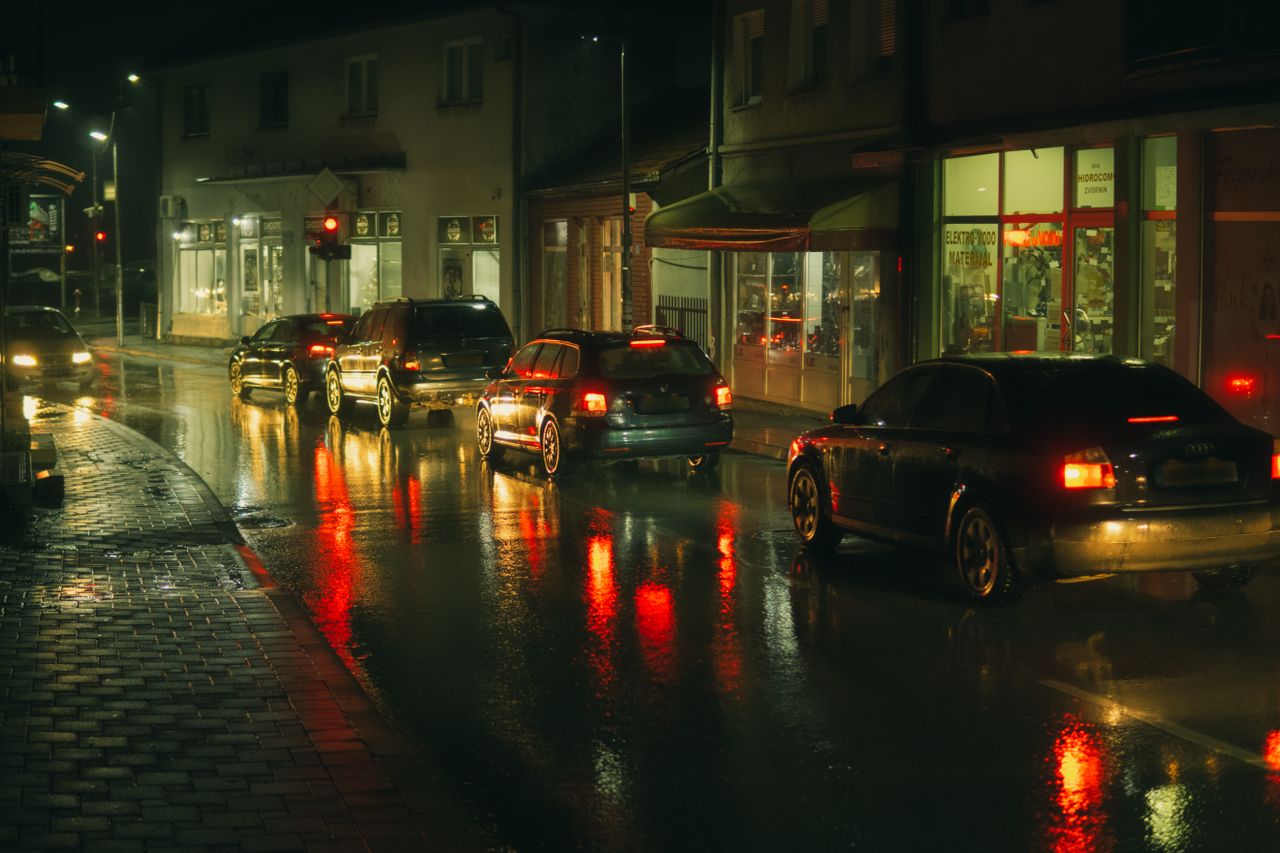
When the rains arrive in Kenya, most drivers think about the obvious things: slippery roads, traffic jams and flooded sections of the city. But rain does more to a car than make the road wet.
A rainy season changes the conditions under which almost every part of your car operates. Water gets into places that normally stay dry, mud and dirt accumulate underneath the vehicle, visibility becomes worse and roads that were already rough can become considerably harder on suspension, tyres and brakes.
The Kenya Meteorological Department treats October to December as an important rainfall season and provides seasonal and county-level forecasts because rainfall can vary significantly from one part of the country to another.
One of the first things you may notice is braking behaviour. After driving through heavy rain or standing water, the brake discs and pads can become wet. Usually, normal braking for a short distance is enough to restore their usual performance, but the first few applications can feel slightly different.
This is one reason it is important not to drive aggressively immediately after passing through significant water. Give the car time to respond normally again and pay attention if the brakes continue feeling weak, spongy or unusual.
Tyres become even more important during the rainy season. A tyre that still feels acceptable on a dry road can behave very differently on a wet one when its tread is worn.
The tread grooves are designed to move water away from the contact patch between the tyre and road. As the tread wears down, the tyre’s ability to deal with standing water decreases. Add worn suspension components, incorrect tyre pressure or poor wheel alignment and the car can become much less predictable in heavy rain.
This is particularly relevant in Kenya because rain often arrives alongside potholes, broken road surfaces and accumulated mud. A driver may avoid one pothole only to hit another hidden beneath water.
That can be hard on suspension components and wheels. Lower control arms, bushes, ball joints, shock absorbers and wheel bearings can all suffer from the repeated combination of rough roads, water and mud. The rain itself may not destroy these components, but it can make an already weak suspension system reveal its problems much faster.
Then there is the issue many Kenyan drivers fear most: flooding. Not every flooded road is dangerous to a car, but water depth can be extremely difficult to judge from behind the steering wheel. A section that looks shallow may hide a deep pothole or a damaged section of road. Worse still, water can enter the engine through the air intake.
That is where things can become expensive. If enough water enters a running engine, the engine can suffer severe internal damage, commonly referred to as hydrolock. Water does not compress in the same way as the air-fuel mixture inside a cylinder, so an engine attempting to compress a large quantity of water can suffer bent connecting rods or other serious damage.
This is why “my SUV has high ground clearance” is not a substitute for caution. Ground clearance helps, but it does not tell you how high the air intake sits or how deep the water actually is. If you encounter serious flooding, the safest option may be to avoid entering it altogether rather than assuming the vehicle will make it through.
Rain can also expose electrical problems that were previously hiding. Modern cars have numerous electrical connectors, sensors and control modules. They are designed to operate in normal weather conditions, but damaged wiring, poorly sealed connectors or previous accident repairs can leave them vulnerable to moisture.
This is particularly worth remembering when buying a used imported car. A vehicle that has previously been involved in an accident or poorly repaired may have electrical connections that were not restored properly. The first heavy rains can sometimes reveal problems that were not obvious during a dry inspection.
The same applies to the cabin. Water should not normally enter a properly functioning vehicle, so if you start finding damp carpets, wet door panels or water around the boot, do not treat it as a minor rainy-season inconvenience.
Blocked drainage channels, damaged door seals, blocked sunroof drains and poorly fitted windscreens can allow water into the cabin. Once moisture gets underneath carpets, it can create a much bigger problem than a wet floor. Persistent dampness can produce unpleasant smells, encourage mould and, in some vehicles, eventually contribute to electrical problems because wiring and connectors may run beneath the carpet.
The boot deserves attention too. A leaking boot seal or damaged rear light gasket can allow water to collect around the spare wheel well. It may take several rainy days before the owner even notices. The underside of the car also gets a much harder workout during the rainy season. Mud and dirty water can accumulate around suspension components, wheel arches and other parts underneath the vehicle.
For cars that regularly travel on muddy roads, an occasional wash underneath can be worthwhile. The aim is not to make the underside look pretty. It is to remove accumulated mud and debris that can retain moisture and hide developing problems.
Rain also makes windscreen condition more important than many drivers realise. A small crack, worn wiper blade or dirty windscreen may be manageable on a dry afternoon. During a heavy downpour at night, it can become a serious visibility problem. Wiper blades that leave streaks, skip across the glass or fail to clear water properly should be replaced rather than tolerated.
The same applies to headlights. Dirty or cloudy lenses reduce the amount of useful light reaching the road, while poorly functioning indicators and brake lights become particularly problematic when visibility is already poor.
There is another problem that is easy to overlook: the way rain changes driving conditions even when the car itself is perfectly healthy. Oil, dust and other deposits that have accumulated on the road surface can make the first part of a rainfall particularly slippery. Standing water can cause temporary loss of grip, while heavy spray from other vehicles can suddenly reduce visibility.
In Nairobi, this can become even more frustrating when heavy rain combines with traffic congestion. Drivers spend longer on the road, stop and start more frequently and encounter more waterlogged sections. That combination puts additional demands on brakes, tyres and the cooling system while also increasing fuel consumption.
So, what should a Kenyan driver actually do before the rains become serious? Start with the tyres. Check tread condition and pressure, and do not wait until a tyre is visibly worn out before replacing it. Check the wipers and make sure the windscreen remains clean. Test the headlights, brake lights, indicators and hazard lights.
Look underneath the car for signs of leaking fluids, damaged components or excessive mud accumulation. If your vehicle has recently developed unusual steering, braking or suspension behaviour, have it checked before the roads become more difficult. And if the car has a history of water leaks, fix them early. A wet carpet is not simply an inconvenience; it can become an electrical and interior problem if left unattended.
Most importantly, treat flooded roads differently from ordinary wet roads. Slow down, increase your following distance and avoid sudden steering or braking. If water looks too deep to judge safely, turning around is often a much cheaper decision than finding out what the water can do to an engine. So before the next serious downpour, do not just check whether you have an umbrella, check the car.