


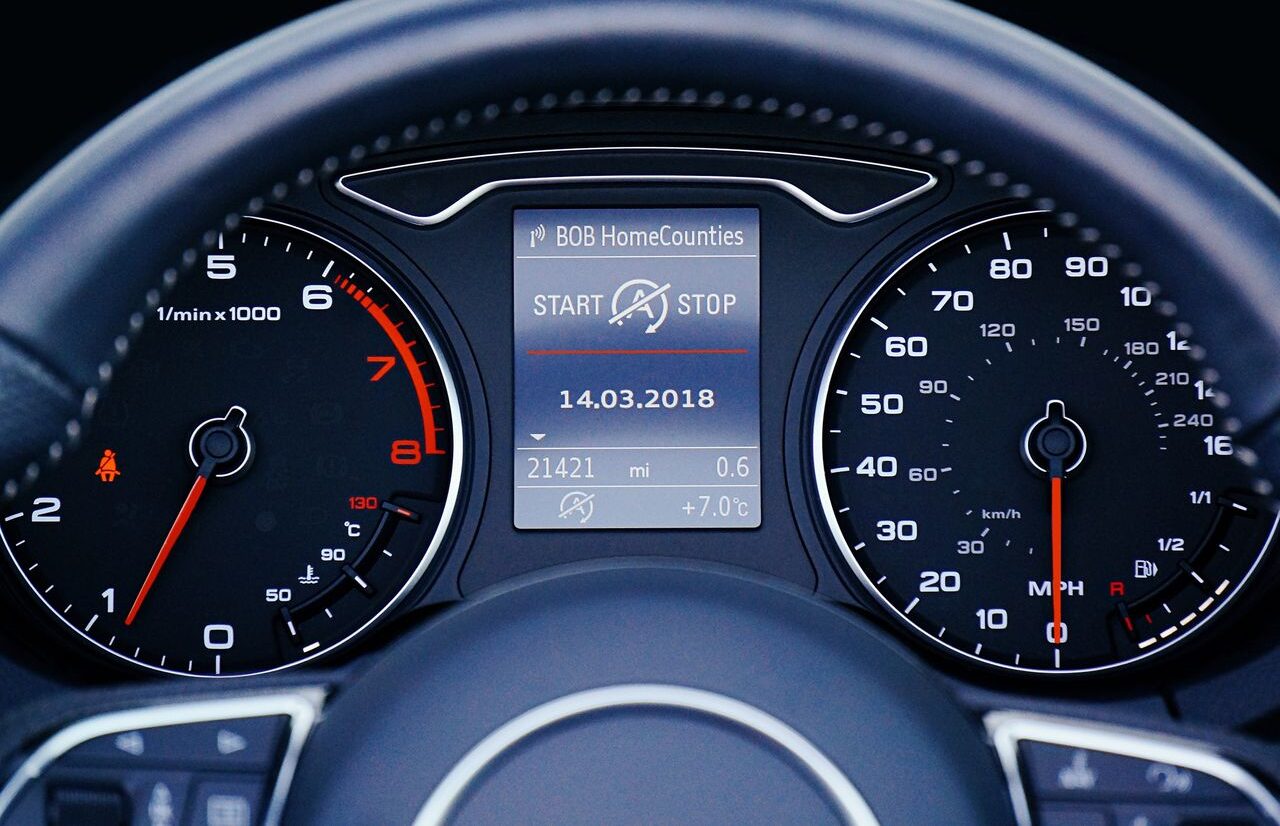
Buying a used car is often a smart financial decision. You avoid the steep depreciation that comes with a brand-new vehicle while still getting reliable transport for years to come. However, there is one mistake that can turn what looks like a great deal into an expensive lesson, buying a car with a tampered odometer.
Odometer fraud, commonly known as mileage rollback, happens when a vehicle’s recorded mileage is deliberately reduced to make it appear less used than it actually is. A car showing 65,000 kilometres may, in reality, have travelled well over 180,000 kilometres. Since lower mileage usually commands a higher selling price, dishonest sellers have a financial incentive to alter the figures.
The challenge is that modern vehicles often make odometer fraud harder to spot than it used to be. Fortunately, there are still several warning signs that every buyer should know before handing over their money.
Don’t Judge the Car by the Odometer Alone
The first mistake many buyers make is believing the number on the dashboard without looking at the rest of the vehicle. Mileage tells part of the story, but the car itself often tells the truth.
Imagine you’re looking at a seven-year-old car advertised with just 40,000 kilometres. At first glance, that sounds impressive. But if the driver’s seat is badly worn, the steering wheel has become smooth and shiny, the gear lever has lost its original finish, and the pedals show heavy wear, something doesn’t quite add up.
Cars age in different ways, but excessive interior wear on a supposedly low-mileage vehicle deserves closer investigation.
Service Records Can Reveal the Truth
A well-maintained vehicle usually leaves a paper trail. Service invoices, maintenance booklets, and dealership records often include the mileage recorded during each visit. Looking through these records can reveal whether the vehicle’s mileage has increased consistently over time.
If a service receipt from three years ago shows 120,000 kilometres, but the dashboard today reads 95,000 kilometres, you have found a major red flag.
Even if complete records are unavailable, asking to see whatever documentation exists can provide valuable clues about how the vehicle has been maintained.
Pay Attention to the Condition of the Exterior
High mileage often leaves subtle signs on the outside of a vehicle. Stone chips across the front bumper, worn door handles, faded headlights, scratches around the boot, and weathered trim may simply reflect years of regular driving.
These signs do not automatically mean the odometer has been altered, but they should match the vehicle’s claimed mileage. A car with very low mileage should generally look consistent with that level of use, although driving conditions and maintenance also play an important role.
Modern Cars Store Mileage in More Than One Place
Many newer vehicles store mileage information in several electronic control modules rather than only on the instrument cluster.
Specialised diagnostic equipment can sometimes detect inconsistencies between these systems if the dashboard display has been altered.
This is one reason why a professional pre-purchase inspection is money well spent. Experienced technicians have access to tools that ordinary buyers do not, and they may identify issues that are impossible to spot during a casual viewing.
Be Careful with Imported Used Cars
Kenya imports thousands of used vehicles every year, many of them from Japan. The vast majority arrive with genuine mileage records, especially when supported by export certificates and auction documentation. However, buyers should still verify the information available rather than assuming every imported vehicle is exactly as advertised.
Requesting auction sheets, export inspection documents, or maintenance records can provide additional confidence about a vehicle’s history. If a seller is unwilling to provide any supporting documentation despite claiming to have it, that hesitation alone is worth noting.
Price Can Be a Warning Sign
Everyone enjoys finding a bargain. But if a vehicle is significantly cheaper than similar models while also claiming unusually low mileage, it is worth asking why.
Legitimate bargains certainly exist. Owners relocate, upgrade, or simply need a quick sale. At the same time, prices that seem too good to be true sometimes hide problems that are not immediately visible. A low asking price should encourage careful inspection, not excitement alone.
Trust Your Instincts, But Verify Them
Sometimes something simply feels off. Perhaps the seller avoids questions about the vehicle’s history. Maybe the service records seem incomplete, or the condition of the interior does not match the mileage displayed on the dashboard.
Rather than relying on instinct alone, use that feeling as a reason to investigate further. Ask more questions, request documentation, and arrange an independent inspection before making a commitment.
Walking away from a suspicious deal is often far less expensive than discovering hidden problems after you’ve paid.
The Bottom Line
An odometer can tell you how far a car claims to have travelled, but it cannot tell you how well it has been maintained or whether the reading is genuine.
The safest buyers look beyond a single number. They compare the mileage with the vehicle’s overall condition, review available service records, verify its history, and invest in a professional inspection before buying.
In the used car market, patience is one of your greatest advantages. There will always be another car for sale, but recovering from a costly mistake is much harder than taking a little extra time to make the right decision.
At Iko Gari, we know that buying a used car can feel overwhelming, especially with so many options on the market. That’s why we focus on practical, independent advice that helps Kenyan motorists avoid costly mistakes and choose vehicles with confidence. The more you know before you buy, the better your ownership experience is likely to be.