

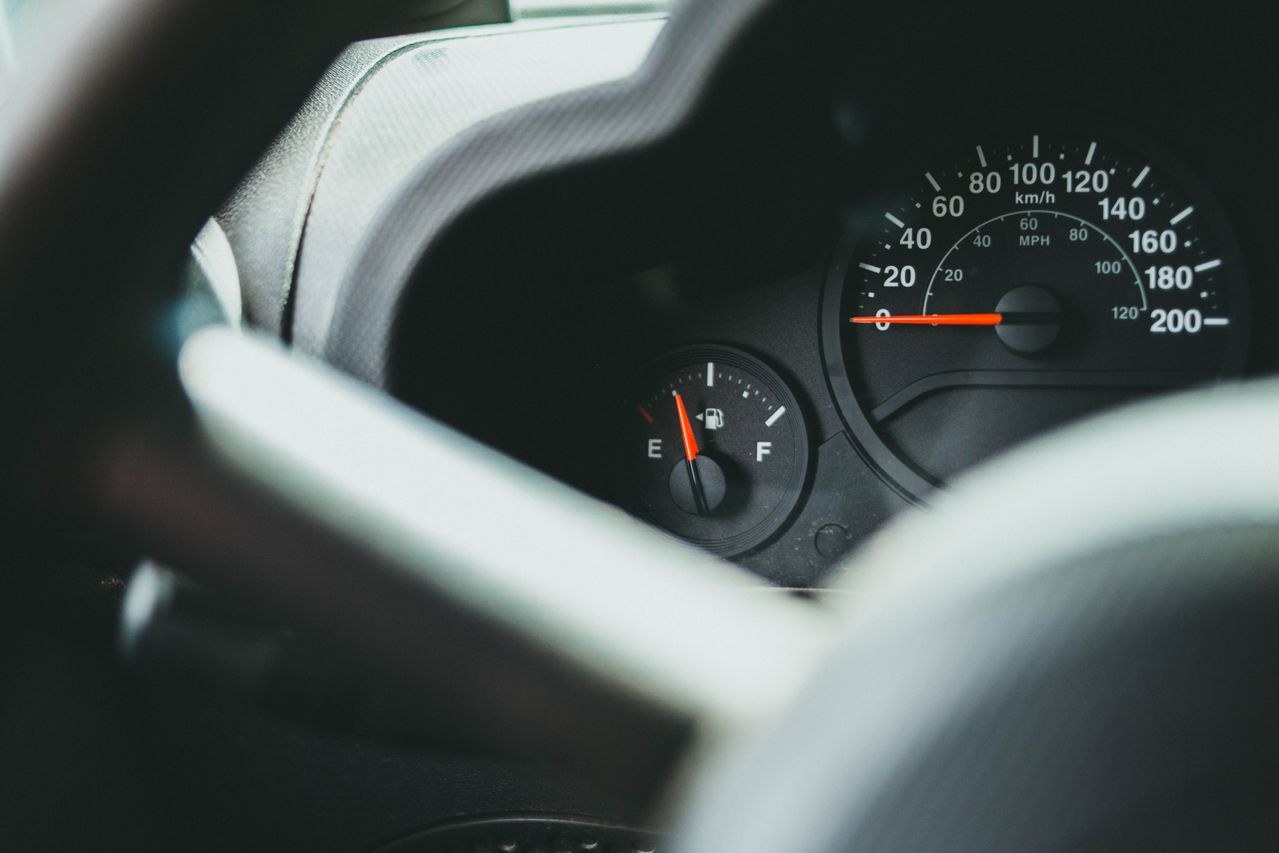
Many motorists have a habit of waiting until the fuel warning light comes on before looking for a petrol station. If you are one of them, your car will not necessarily develop a fault simply because the fuel gauge regularly gets close to empty. Modern fuel systems are designed to operate across a wide range of fuel levels. The problem is what happens when almost-empty becomes your normal way of driving.
One of the biggest concerns is the fuel pump. In many vehicles, the electric fuel pump sits inside the fuel tank and is surrounded by fuel. The fuel helps dissipate heat from the pump, although the idea that the fuel tank must always be full to keep the pump cool is an oversimplification.
The pump is designed to operate when the tank is low. However, repeatedly driving until the tank is almost empty gives you less margin before the pump can be exposed to conditions it was not designed to handle, particularly when the vehicle is driven hard or on steep inclines.
There is another issue that matters more in everyday driving, that is, fuel starvation. When the fuel level becomes very low, fuel can move away from the pickup point when you brake hard, accelerate, corner or drive up a steep hill. If the pickup temporarily draws air instead of fuel, the engine can hesitate or lose power. In an extreme case, the engine can stop altogether.
This is particularly inconvenient in Kenya, where traffic jams, long distances between some fuel stations and unpredictable delays can turn a few kilometres of remaining range into a much bigger problem than expected.
There is also a persistent belief that driving on low fuel automatically causes sediment at the bottom of the tank to be sucked into the fuel system. That is not quite how modern fuel systems work. Fuel tanks can contain contaminants and water regardless of the fuel level, and the fuel system has filters designed to trap particles before they reach sensitive components. The real concern is contamination or water in the tank, not simply the fact that the tank is nearly empty.
A low fuel level can, however, make some problems more noticeable. If there is water or contamination in the tank, repeatedly running very low does not solve the problem and may eventually allow contaminants to affect the fuel system. Diesel vehicles can be particularly sensitive to fuel contamination because modern diesel injection systems operate at very high pressures and have tight tolerances.
Another overlooked issue is that fuel consumption itself becomes harder to predict when you are running close to empty. Your fuel gauge is not a precision measuring instrument. The distance you can travel after the warning light comes on depends on the vehicle, remaining fuel, traffic, driving style, terrain and fuel consumption.
A car that normally gives you another 50 or 60 kilometres after the warning light may give you considerably less when stuck in Nairobi traffic, climbing hills or running the air conditioning heavily. That matters because repeatedly stretching your range increases the chances of running completely out of fuel.
Running out of fuel is more than an inconvenience. It can leave you stranded in an unsafe location, and repeatedly allowing a vehicle to run completely dry is particularly undesirable for some diesel systems. After a diesel engine runs out of fuel, air can enter parts of the fuel system and the vehicle may require proper priming or bleeding before it starts again.
Hybrid vehicles have their own considerations. A hybrid may continue operating differently from a conventional petrol car as the battery and engine work together, but the petrol engine still requires fuel. Running completely out of petrol can therefore leave the vehicle unable to operate normally, regardless of how much charge remains in the hybrid battery.
There is also a simple practical reason not to make a habit of driving on the last few litres, that is, you have less flexibility when something unexpected happens. A traffic jam, road closure, detour, long queue at a petrol station or a trip you did not plan can quickly turn a comfortable journey into a fuel emergency.
You also do not need to keep the tank completely full all the time. For most drivers, the approach is somewhere in between: refuel before the tank reaches critically low levels rather than treating the warning light as your refuelling appointment.
The occasional low-fuel warning is not something to panic about. But if the fuel light has become a familiar part of every journey, you are giving yourself very little room for error. Your car does not need a full tank every morning. It does need enough fuel to keep you moving safely and give you a reasonable margin when the unexpected happens.