

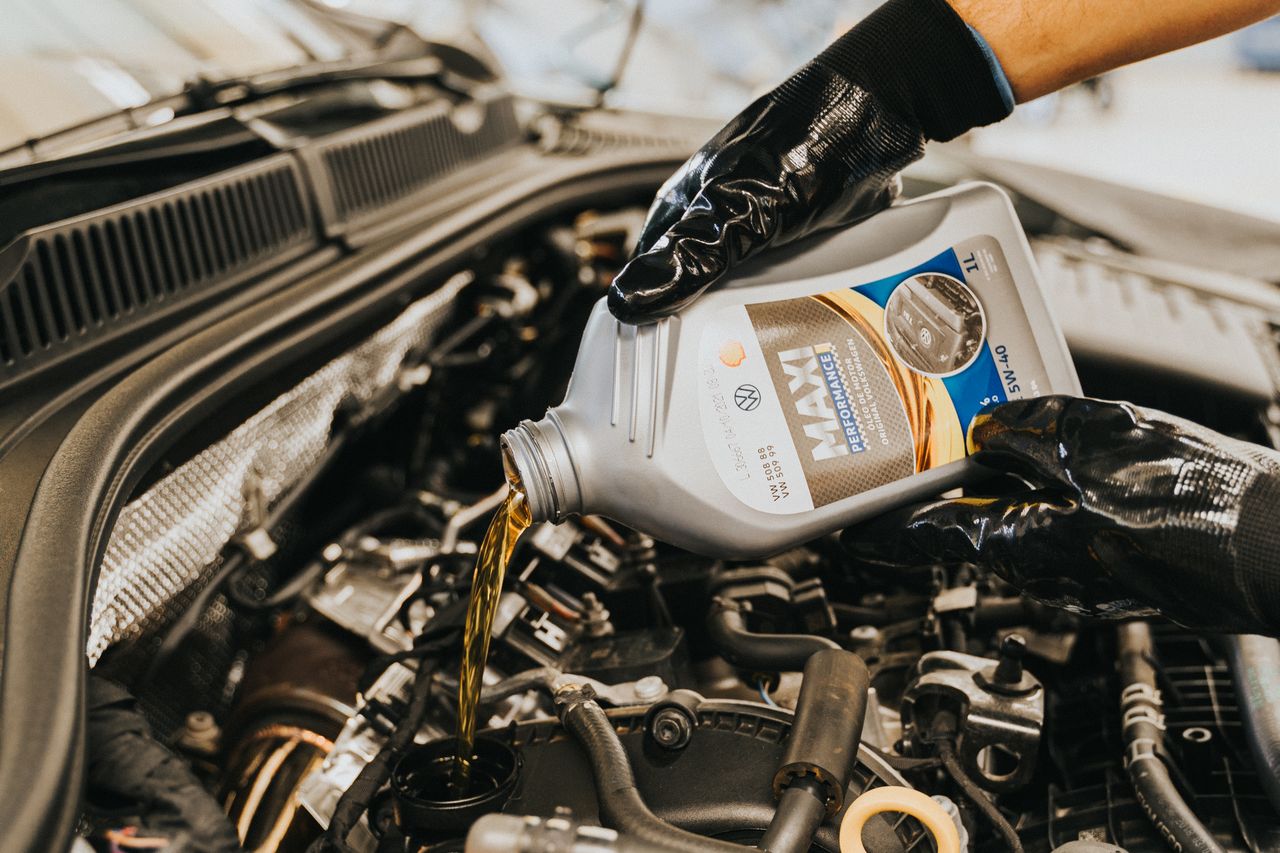
Engine oil is one of the cheapest things you will put into your car, yet it is responsible for protecting some of the most expensive components under the bonnet. It lubricates moving engine parts, helps control heat, carries contaminants away from critical surfaces and protects against wear. When the correct oil is used at the correct interval, the engine can operate smoothly for hundreds of thousands of kilometres. Use the wrong specification, leave it in for too long or repeatedly run the engine with an insufficient oil level, and the consequences can eventually become very expensive.
The problem is that buying engine oil has become surprisingly confusing. Walk into a parts shop in Kenya and you’ll find bottles marked 0W-20, 5W-30, 5W-40, 10W-40 and several other numbers. Some say fully synthetic, others semi-synthetic or mineral. Then there are specifications from API, ACEA and individual manufacturers. So, which one should you actually put in your car?
Start With the Manufacturer’s Specification
The safest place to begin is not the mechanic, the parts shop or even the oil brand. It is your vehicle manufacturer’s recommendation. Your owner’s manual normally specifies the appropriate viscosity and performance standard for the engine. Some vehicles allow more than one viscosity depending on temperature and operating conditions, while newer engines can be very specific about the oil specification they require.
This distinction matters because two oils can have the same viscosity and still not be equivalent. An oil labelled 5W-30, for example, may meet completely different performance standards from another 5W-30. If your manual specifies a particular API, ACEA or manufacturer approval, look for that information on the bottle.
For imported Japanese vehicles, this becomes particularly important because the engine may have been designed for an oil specification that isn’t as commonly recommended by local workshops. Rather than automatically using whatever oil your mechanic normally puts into similar cars, check the exact requirements for your engine.
What Do the Numbers Actually Mean?
The numbers on engine oil bottles describe viscosity, or how easily the oil flows at different temperatures. Take 5W-30 as an example. The “W” stands for winter, while the first number describes how the oil behaves at lower temperatures. The second number describes its viscosity at operating temperature.
A lower first number generally means the oil flows more easily during cold starts. The second number relates to how thick the oil remains when the engine is hot. This doesn’t mean that 0W-20 is automatically better than 10W-40. It simply means they have different viscosity characteristics.
Modern engines are often designed around relatively low-viscosity oils to reduce internal resistance and improve fuel efficiency. Older engines may have been designed for thicker oils. Using a thicker oil simply because someone believes it is “better protection” can therefore be inappropriate for an engine designed for a different specification.
Don’t Choose Oil Based Only on the Brand
A familiar oil brand can provide confidence, but the brand name is only part of the equation. Most major lubricant manufacturers produce several different ranges of engine oil, each designed for different engines and specifications. One product from a particular brand may be suitable for your vehicle while another product from the same company may not meet the required specification.The important information is printed on the container.
Look at the viscosity, performance classification and manufacturer approvals rather than buying purely because you recognise the logo. Also purchase from a reputable supplier because counterfeit lubricants are a genuine concern in many markets. If the price seems unusually low compared with other reputable sellers, ask why before putting the oil into your engine.
Fully Synthetic, Semi-Synthetic or Mineral?
This is another area where buyers often get conflicting advice. Fully synthetic oils are engineered to provide consistent performance across a wide range of temperatures and generally offer better resistance to oxidation and breakdown than conventional mineral oils. They are widely used in modern engines and are particularly common in vehicles with longer manufacturer-recommended service intervals.
Semi-synthetic oils combine synthetic and mineral base oils, while conventional mineral oils are less extensively refined and are generally associated with older or simpler engine designs. However, the most expensive oil isn’t automatically the correct oil.
If your manufacturer specifies a particular type and viscosity, follow that recommendation. Paying extra for a premium product that doesn’t meet the required specification doesn’t make it suitable.
Your Engine’s Age and Condition Matter
The oil recommended for a new engine isn’t necessarily the oil you should choose for an older vehicle without considering its condition.
As engines accumulate mileage, seals and internal components naturally wear. Some older engines may begin consuming oil between services, while others continue operating normally with little or no oil consumption.
If an older engine is burning or leaking oil, simply switching to a much thicker oil isn’t necessarily the correct solution. Excessive oil consumption should be diagnosed properly because it can be caused by worn piston rings, valve seals, leaks or other mechanical problems. A thicker oil may sometimes reduce symptoms temporarily, but it doesn’t repair the underlying fault.
Kenya’s Climate Doesn’t Mean You Need the Thickest Oil
There is a common belief that because Kenya is warm, motorists should automatically use thicker engine oil. It sounds logical, but modern engine design is more complicated than that.
Kenya has a relatively warm climate, but temperatures vary considerably depending on altitude and location. Nairobi’s climate is different from Mombasa’s, and a vehicle operating in high-altitude areas experiences different conditions from one working in hot coastal environments.
More importantly, modern engines are engineered around specific lubrication requirements. If Toyota, Mazda, Nissan or another manufacturer recommends 0W-20 or 5W-30 for your engine, you shouldn’t replace it with a thicker oil simply because Kenya is warm.
Follow the engine manufacturer’s specification unless a qualified professional has a specific, evidence-based reason to recommend otherwise.
Heavy Traffic Changes the Conversation
Where you drive also matters. A car that spends two hours crawling through Nairobi traffic every day is operating differently from one that spends most of its time cruising on the highway. Frequent acceleration, idling, repeated starting and stopping and high engine temperatures can place additional demands on the vehicle.
That doesn’t necessarily mean you should use a different viscosity from the manufacturer’s recommendation. It does mean you should take the service interval seriously and avoid stretching oil changes simply because the car hasn’t covered many kilometres. Some manufacturers provide a separate “severe service” schedule for vehicles subjected to demanding conditions. Check whether your vehicle has one.
Don’t Forget the Oil Filter
Changing the oil without replacing the oil filter is another shortcut that can undermine the purpose of servicing. The filter removes contaminants from the oil as it circulates through the engine. Over time, it becomes loaded with particles and other debris. A fresh filter allows the new oil to do its job properly.
Unless the manufacturer specifically recommends otherwise, replacing the oil filter during an oil change is generally sensible preventive maintenance. The quality of the filter matters too. Extremely cheap filters may not offer the same filtration performance or construction quality as reputable products.
How Often Should You Change Engine Oil?
There isn’t one mileage figure that applies to every car. Some modern vehicles have recommended intervals around 10,000 to 15,000 kilometres or one year, while some manufacturers specify shorter intervals under severe operating conditions. Older vehicles may require more frequent changes. The correct interval is therefore the one specified for your particular vehicle and operating conditions.
If you’re buying a used imported car and don’t have reliable service records, it is okay to establish a fresh maintenance baseline rather than assuming the previous owner’s schedule was followed correctly. And remember that time matters too. If a vehicle covers very few kilometres, that doesn’t necessarily mean the same oil can remain in the engine indefinitely.
Watch the Oil Level Between Services
Even the correct oil won’t protect an engine if there isn’t enough of it. Checking the oil level periodically is one of the simplest maintenance habits a car owner can develop. Park the vehicle on a level surface, allow the engine to cool as recommended by the manufacturer and check the dipstick according to the vehicle’s instructions.
If the level repeatedly drops significantly between services, don’t simply keep topping it up without finding out why. The engine may be leaking oil or consuming it internally, and both conditions deserve investigation.
To sum it up, choosing engine oil doesn’t need to be complicated, but it does require you to ignore some common shortcuts. Don’t choose an oil simply because it is expensive, because a friend uses it or because a mechanic puts it in every car that comes through the workshop. Start with your vehicle manufacturer’s specification, then check the viscosity, performance standards and approvals on the bottle.
At Iko Gari, we believe good car ownership starts with understanding the small things. Engine oil may not be the most exciting part of owning a vehicle, but choosing the right one and changing it at the right time can make a significant difference to how long that engine serves you.