

The EV market is growing internationally and now Kenya is also stepping into this market, which is becoming more environmentally friendly in the automotive sector. In recent years several drivers have come into play and have spurred the interest in EVs in Kenya including; concern over the environment, government support, improved infrastructure and the participation of the private sector. But there are still many problems. Here is a breakdown of the current trend of EV market in Kenya and what more can be expected in future.
Environmental Issues and Climate Measures: Kenya has been more and more concerned with the issue of carbon emission and climate change. Being a regional leader in the production of renewable energy and with approximately 90% of its electricity derived from hydro power, geothermal and wind energy, Kenya is well placed to support the use of EVs without having to depend on fossil fuel. Transforming to electric cars enhances the promise of sustainable development in Kenya, as it cuts on air pollution and enhances cleaner cities.
Government Support and Policy Framework: The Kenyan government has enacted policies to put into practice the use of EVs. For instance, the Finance Act 2023 offered buyer incentives for EVs like a decreased import duty as well as no excise duty. However, to make these vehicles more attractive, KRA introduced cheaper licensing fees for EVs than for traditional vehicles. These incentives are useful in the current market situation where the first cost of EVs poses a major challenge to its consumers. These are costs that the government must subsidize in order to ensure that more Kenyans can afford EVs.
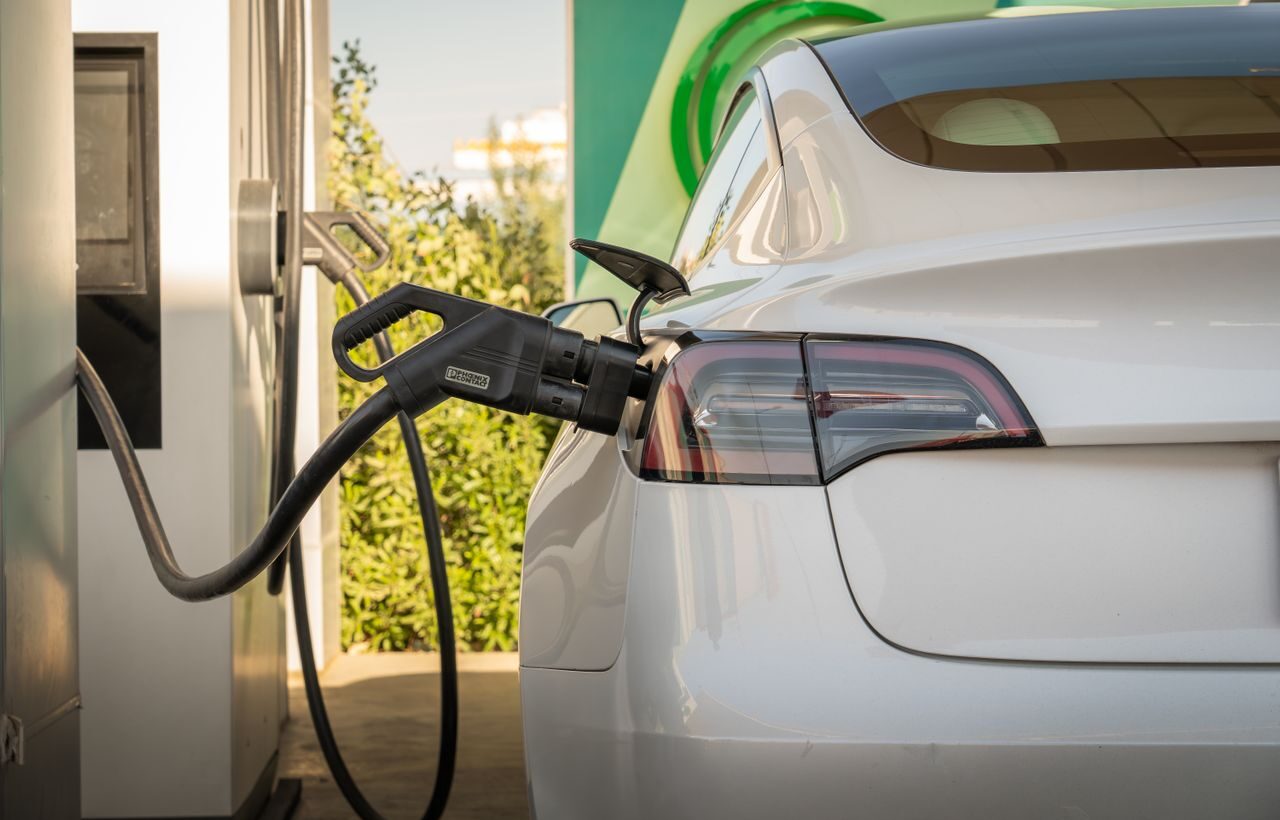
Emerging EV Infrastructure: The primary challenge towards the use of EVs in the global market is the lack of charging stations. Several startups across Kenya, including Nopea Ride, BasiGo, and Roam Motors, are beginning to build infrastructure for EVs. For instance, BasiGo brought electric buses into Nairobi’s public transport sector, which solves both environmental and transport issues. On the other hand, Roam Motors has an objective of developing the charging points in Nairobi and Mombasa only but plans to expand. Several malls and other public places are also now following the same steps and this could also add to the elimination of range anxiety that many potential EV buyers experience. Kenya Power, the main electrical power supplier in the country, is even considering developing partnerships for setting up charging stations across the country, a factor that is likely to alter the availability of EVs.
The rationale for private sector and start-up involvement: The private sector has been very keen in the promotion of EVs in Kenya. Other electric vehicle startups such as Opibus now known as Roam Motors have been producing electric motorcycles to suit the bodaboda market in this country. This segment alone of over a million motorcycles can be easily transitioned to electric options and will make a big dent in emission reductions. However, some ride-hailing services have adopted EVs as some of the vehicles to be hired by the consumer because of the push for environmentally friendly transport. These companies are not only assisting in raising awareness but also are strengthening the confidence of the market in electric vehicles.
Increasing demand by consumers and their awareness: With the knowledge of the benefits of the EVs increasing among consumers, Kenyan consumers are equally considering the shift towards the EVs. Some of them include low running cost, less demanding on frequent maintenance and the environmental aspect of the product appeals to the younger generation. Clean Energy Kenya recently conducted a survey and most of the urban respondents said that they would be willing to own an EV provided that the charging stations were available and the costs are reduced. This is a positive sign in view of the fact that Kenya’s middle class is growing and is more conscious of its need for viable and affordable solutions.
With that said, there are still issues to be resolved in the area of growth. The major challenges include the expensive prices of EVs, few cheap models, and the problem of battery replacement costs. Further, the current infrastructure for EVs in Kenya is relatively young despite the fact that it is growing. Additional charging points and a strong ecosystem are needed for a wide-spread use. Battery disposal and recycling is another issue because Kenya has to find a way of dealing with used EV batteries. This step is important in reducing the life cycle environmental costs of electric vehicles as a long-term plan.
Despite these challenges, the foundation is being made for making transport in the future sustainable. So if the Kenyan government persists in providing incentives to consumers to own EVs and the companies increase the number of charging stations, EVs can become a feasible means of transport that is adopted by both the urban and rural population.