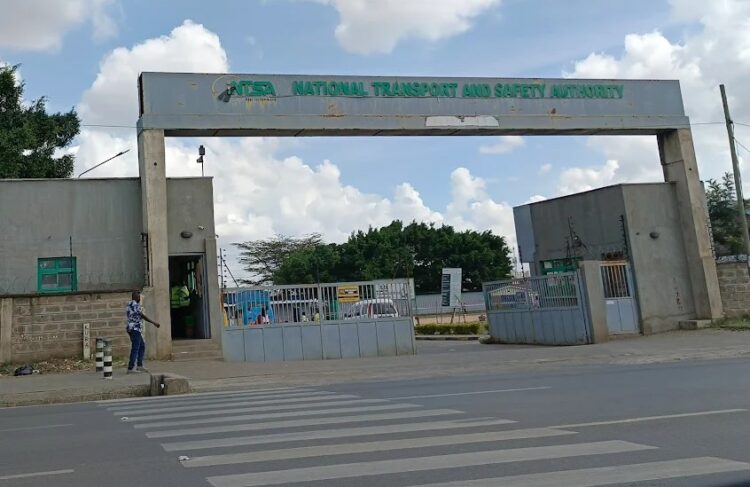
Kenya is set to officially end the use of physical motor vehicle logbooks after the National Transport and Safety Authority (NTSA) announced the rollout of a new electronic logbook system beginning June 10, 2026. The transition marks one of the most significant digital reforms in the country’s transport sector, with the government moving all vehicle ownership records to an automated online platform through eCitizen.
The authority says the new e-Logbook system is intended to eliminate the inefficiencies associated with paper-based records, including fraud, forgery, delayed processing, loss of documents, and manipulation by brokers and cartels that have long plagued NTSA services.
Announcing the changes during the 3rd Annual Regulatory Authorities and Agencies Conference held at South Eastern Kenya University in Kitui, NTSA Director General Eng. Nashon Kondiwa described the shift as a major modernization of public services.
“We are not only bringing services closer to wananchi by enabling them to access their logbooks electronically, but we are also eliminating bureaucracy and cartels,” Kondiwa said.
According to NTSA, the new e-Logbooks will be generated instantly through the NTSA portal once vehicle registration or ownership transfer processes are completed online. The authority says this will significantly reduce waiting periods that motorists currently experience when applying for physical logbooks.
Under the current system, vehicle owners are often required to wait days or weeks before collecting physical ownership documents from NTSA or Huduma centres. In some cases, uncollected logbooks have accumulated in government offices for months due to communication delays and logistical challenges.
NTSA says the digital platform will now allow motorists to access, download, and verify their logbooks directly through their eCitizen accounts from anywhere with internet access.
“The e-Logbook will enable us to shift from a reactive, paper-based registry that is prone to fraud, delays, and errors and move to a proactive, real-time digital system with strong integrity controls and automated lifecycle management,” NTSA said.
The authority further explained that the electronic system introduces enhanced security measures aimed at making document forgery nearly impossible. Unlike physical logbooks, which have frequently been targeted by fraudsters involved in illegal vehicle transfers and fake ownership documents, the e-Logbooks will contain encrypted digital security features, secure hashing technology, and dynamic QR codes for real-time verification.
According to NTSA, buyers, banks, insurance companies, SACCOS, and law enforcement agencies will be able to scan the QR code to instantly confirm vehicle ownership and authenticity.
“This eliminates the risk of using an outdated paper logbook and reduces fraud during private vehicle sales,” NTSA stated.
“Banks and SACCOS can directly verify ownership and lien status via the NTSA system, reducing the need for physical file copies and speeding up loan approvals for vehicle financing,” the authority added.
The transition is also expected to simplify vehicle transfer processes, with buyers and sellers now able to initiate and complete ownership transfers online without visiting NTSA offices physically.
NTSA says the digital system will additionally help law enforcement officers verify vehicle details instantly during inspections and compliance checks.
“Police and inspection units can query the e-logbook database live to confirm ownership, stolen status, insurance validity, and inspection history. This improves compliance checks and recovery of stolen vehicles,” the authority said.
The introduction of the e-Logbook comes amid broader government efforts to digitize public services through the eCitizen platform. Over recent years, several NTSA services including driving licence applications, vehicle transfers, and smart driving licences have increasingly shifted online as the government seeks to improve efficiency and reduce corruption opportunities within manual systems.
The authority also says motorists will no longer incur replacement costs associated with lost or damaged physical logbooks since fresh copies can simply be downloaded and printed directly from their online portals whenever needed.
“The move will mark the end of paper-based logbooks, which have been in use for decades, as the country shifts towards a fully digital transport management system,” NTSA said.
NTSA Corporate Communication Principal Officer Anthony Nyongesa said the authority has already established support systems and communication channels to help motorists transition smoothly to the new system.
“Those seeking clarification or any other assistance can do so through our official communication channels, including email at info@ntsa.go.ke or through the NTSA website,” Nyongesa said.
Motorists are expected to continue using existing physical logbooks until the official launch date of the electronic system on June 10, 2026.


